
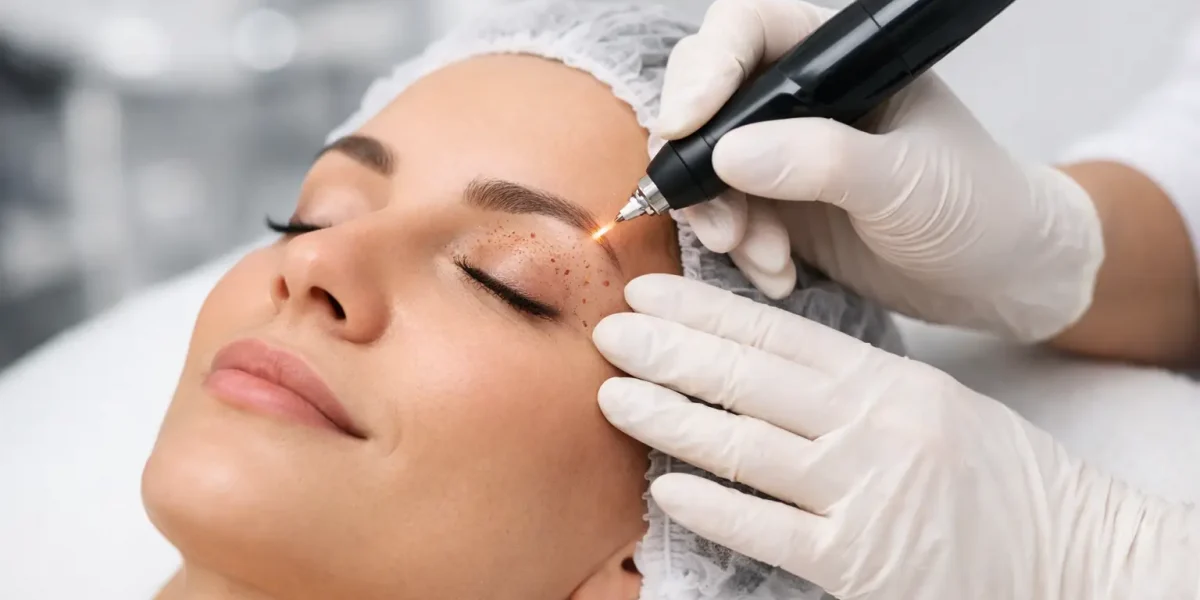
If you are asking, is plasma lift painful, you are probably not just curious about the sensation. You want to know whether the results are worth it, whether you can handle the treatment, and whether the healing will disrupt your life. That is the right question to ask before putting your skin in anyone’s hands.
The honest answer is this: plasma lift is not typically described as unbearable, but it is not completely sensation-free either. Most clients feel heat, a quick snapping feeling, or tiny pinpricks during treatment. The level of discomfort depends on the area being treated, your personal pain tolerance, how much correction is needed, and the provider’s technique.
For women who want firmer skin, smoother creases, and a lifted look without surgery, plasma lift sits in an appealing middle ground. It is stronger than a basic facial and far less invasive than a surgical procedure. That also means the sensation lands somewhere in the middle. You should expect some discomfort, but not the kind that surprises you if you have been properly prepared.
Is plasma lift painful on every area of the face?
Not equally. Some parts of the face are easier to treat than others because the skin thickness and nerve sensitivity vary.
The upper eyelids are often described as surprisingly tolerable, especially with numbing in place, even though they sound intimidating. Around the mouth can feel sharper because the skin is more expressive and sensitive. Crow’s feet and under-eye areas may also feel more intense simply because the skin is thinner there.
Larger treatment zones can feel more tiring than truly painful. A short session on a small area is one thing. A more advanced correction that involves multiple passes or a broader area can wear on you mentally, even if the pain itself stays manageable.
What does plasma lift actually feel like?
Most clients do not describe plasma lift as a deep ache. It is more often described as a surface-level heat or repeated tiny zaps. If you have ever had threading, waxing on a sensitive area, or cosmetic tattooing, you already understand the difference between sharp but brief discomfort and ongoing pain. Plasma lift tends to fall into that sharp-but-brief category.
During the treatment, a plasma device creates a controlled arc above the skin to cause targeted micro-injury. That is what triggers tightening and collagen remodeling. Because the work is so precise, the sensation comes in quick bursts rather than one continuous painful feeling.
This matters because people often imagine a treatment like this will feel dramatic from start to finish. In reality, it is usually more repetitive than overwhelming. Many clients tense up before the first few pulses and then relax once they realize what the sensation is actually like.
Why numbing makes a big difference
Topical numbing is one of the biggest reasons plasma lift is well tolerated. A skilled provider does not rush this step. When the numbing cream has enough time to work, it can significantly reduce the sting of treatment.
That said, numbing does not erase all sensation. You may still feel heat, pressure, or quick sparks in more sensitive zones. If anyone tells you that you will feel absolutely nothing, that is not the most realistic expectation. The better promise is this: discomfort can usually be controlled well enough that most clients complete treatment without a problem.
Technique also matters. An experienced practitioner knows how to work efficiently, keep the skin supported, and pace the session in a way that minimizes unnecessary discomfort. This is one reason expertise is not a luxury in plasma treatment. It directly affects the client experience.
What affects how painful plasma lift feels?
Pain is personal, but certain patterns are consistent.
Your sensitivity level matters. Some clients are naturally more reactive to cosmetic treatments, especially around the eyes or mouth. Hormonal timing can also affect sensitivity, which is why some women notice that treatments feel stronger at certain times of the month.
The treatment intensity matters too. A conservative session designed for subtle tightening may feel easier than a more aggressive correction. If your goal is a bigger improvement, you may trade a little more discomfort for a stronger result.
Skin condition plays a role as well. Thin, delicate, or inflamed skin may feel more reactive. Pre-treatment habits matter more than people realize. If you arrive dehydrated, overly sun-exposed, or anxious, your body may process the session differently than if you come in rested and prepared.
Is the healing more uncomfortable than the treatment?
For some clients, yes. The treatment itself is quick. The healing phase is where you live with the after-effects for several days.
Right after a plasma lift session, the skin usually feels hot, tight, and slightly swollen. Around the eyes, swelling can be especially noticeable in the first 24 to 72 hours. This does not usually feel intensely painful, but it can feel tender, warm, and inconvenient.
You will also see carbon crusts or tiny dot-like marks where the plasma points were placed. These are a normal part of the process and should not be picked off. The skin may feel dry and tight while it heals, which some clients find more annoying than painful.
This is where expectations matter. If you define pain only as sharp treatment discomfort, plasma lift may not sound bad at all. If you include swelling, tenderness, tightness, and the social downtime of visible healing, then the experience feels more significant. Neither view is wrong. It depends on what matters most to you.
How long does discomfort last?
The strongest discomfort is usually during the procedure and the first one to three days after. Swelling and heat tend to settle first. Tightness, dryness, and visible healing marks can last longer, often around five to seven days, sometimes a bit more depending on the area and the intensity of treatment.
Collagen remodeling continues well beyond that. So while the discomfort is relatively short-lived, the skin keeps improving over the following weeks and months. That trade-off is a big reason clients choose plasma lift in the first place. They accept a brief healing window for longer-lasting tightening and rejuvenation.
Is plasma lift less painful than surgery or injectables?
Compared with surgery, yes, plasma lift is generally far less painful and far less disruptive. Surgery usually involves more extensive recovery, more swelling and bruising, and a much bigger physical commitment.
Compared with injectables, it depends on the injectable and the area treated. A few units of neurotoxin can feel easier than plasma lift. Some filler sessions in sensitive areas can be just as uncomfortable, especially if a client bruises easily or feels pressure intensely. Plasma lift is not always the lightest option in the room, but it offers a different kind of result – one focused on skin tightening and surface rejuvenation rather than volume or muscle relaxation.
That distinction matters. If your goal is to lift lax skin without injections or surgery, a little temporary discomfort may be a very reasonable trade.
How to make plasma lift more comfortable
A smooth experience starts before the device touches your skin. Follow all pre-care instructions carefully. Avoid showing up with irritated skin, active sunburn, or anything that could increase reactivity.
Eat beforehand unless told otherwise, stay hydrated, and give yourself enough time so you are not rushing in stressed. If you tend to feel anxious with cosmetic procedures, say so. A confident provider will walk you through the process and adjust pacing when appropriate.
Post-care matters just as much. The better you protect the treated skin, the more comfortable the healing tends to be. Swelling support, gentle aftercare, and patience go a long way.
When pain is a red flag
Expected discomfort is one thing. Severe pain, spreading redness, unusual discharge, or healing that seems to worsen instead of improve should never be brushed off.
Plasma lift should create controlled, predictable healing. If the pain feels extreme or the skin looks increasingly angry days later, you need professional guidance. This is another reason provider selection matters. Results are not the only thing on the line. Safety and proper healing are part of the outcome.
So, is plasma lift painful enough to avoid?
For most well-prepared clients, no. It is uncomfortable, not usually intolerable. The sensation is real, the healing is visible, and there is no reason to pretend otherwise. But for clients who want a non-surgical lift, tighter skin, and progressive rejuvenation, the temporary discomfort is often a very acceptable price for the payoff.
The better question is not simply whether plasma lift hurts. It is whether the level of discomfort matches the level of transformation you want. When the answer is yes, a few days of tenderness can feel like a very smart investment in your confidence.