
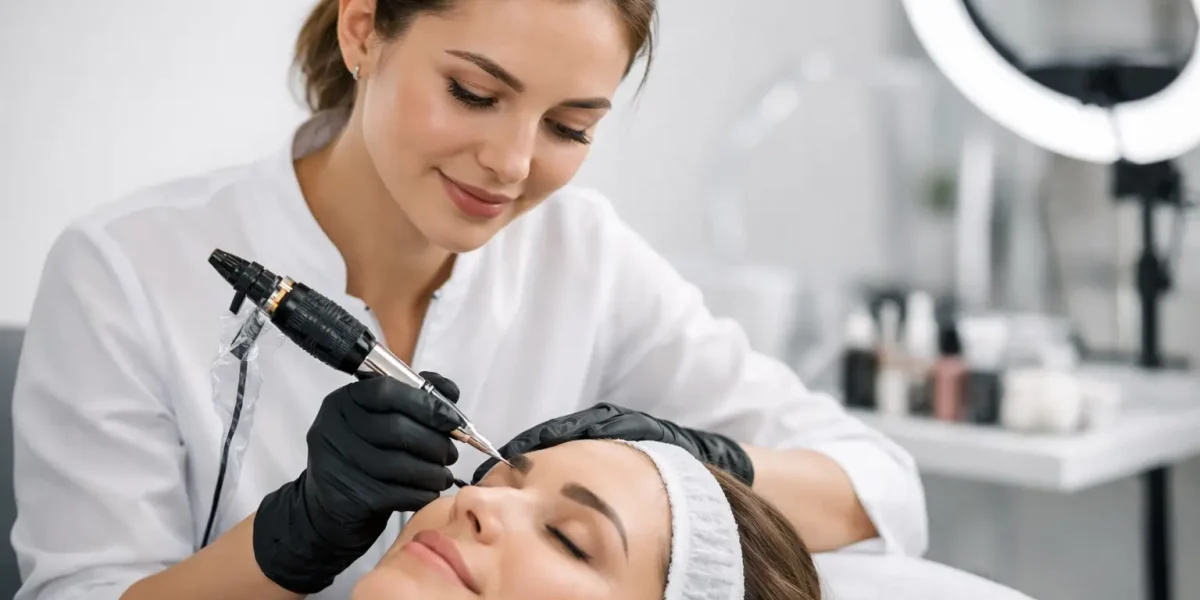
One great brow set can change how a client sees her whole face. That is the real pull behind this career. If you are researching how to become permanent makeup artist, you are not just looking for another beauty service to offer. You are looking at a skill that blends artistry, precision, skin knowledge, and long-term client impact.
Permanent makeup can be a powerful career path for beauty professionals who want results clients can see every day. It also comes with a higher standard than many people expect. This is not a casual service. You are working on the face, often in highly visible areas, and your reputation will follow your results. That is why the right path matters.
How to become a permanent makeup artist the right way
The fastest path is not always the smartest one. A weekend class and a starter kit may sound tempting, but this field rewards depth, not shortcuts. Strong artists build their careers on technical training, sanitation, facial design, pigment knowledge, and hands-on practice.
Your first step is understanding your state requirements. In the US, permanent makeup rules vary widely. Some states require a tattoo license, some require bloodborne pathogen certification, and some regulate permanent cosmetics through health departments or cosmetology boards. Before you enroll anywhere, verify what is legally required where you plan to work. If you skip this part, you can spend money on training that does not qualify you to practice.
Once you know the legal framework, choose foundational training that covers more than machine handling. You need instruction in skin anatomy, contraindications, color theory, client consultation, mapping, healing stages, aftercare, correction risks, and emergency protocols. A serious training program should also address who is not a good candidate for treatment. That is where true professionalism shows.
Start with training, not equipment
Many beginners obsess over which machine to buy. That comes later. Your real investment is education. The best courses teach stroke pattern, pressure control, depth, symmetry, and how to create results that heal beautifully, not just look good on day one.
Look for a trainer with proven treatment experience, not just teaching experience. That distinction matters. A trainer who works on real clients understands retention, skin variations, touch-up decisions, and the difference between textbook technique and real-world results. Before enrolling, review healed work, not only fresh procedure photos. Fresh brows can impress anyone. Healed results reveal actual skill.
Hands-on practice is non-negotiable. Watching videos is useful, but it will not teach you how different skin types respond under your hand. Latex practice helps at first, then model work becomes essential. A strong course should include supervised practical experience and honest feedback, not rushed sign-offs.
What quality permanent makeup training should include
A worthwhile program usually covers brows first because they demand design discipline and client communication. From there, many artists expand into lip blush, eyeliner, correction work, and scalp micropigmentation. If you are brand new, resist the urge to learn everything at once. Specializing first often leads to better outcomes and stronger confidence.
You should also expect training in infection control, consent forms, patch testing where appropriate, photography, and post-treatment guidance. Permanent makeup is part beauty service, part clinical protocol. Clients want artistry, but they also want to feel safe in your hands.
Licensing, certification, and compliance
This is where many talented beginners get tripped up. Being gifted with symmetry or drawing does not replace compliance. If you want a lasting business, your setup must be clean, legal, and professional from the beginning.
Depending on your location, you may need a tattoo permit, business license, facility approval, and bloodborne pathogens certification. Some areas require apprenticeship hours. Others approve practice only in licensed studios that meet strict sanitation standards. Read the actual regulations, not just social media advice.
Insurance is another smart move early on. Professional liability coverage can protect you as you grow. It also signals that you take your work seriously. Clients notice details like that, especially in a service where trust is everything.
Build your eye before you build your menu
A permanent makeup artist does more than implant pigment. She studies balance, face shape, undertone, natural asymmetry, and what will still look flattering after healing. That artistic judgment is what separates a technician from a sought-after specialist.
Spend time training your eye. Learn brow architecture on different bone structures. Study lip borders, vermilion shape, and how mature skin behaves differently from younger skin. Understand that not every trend translates into good permanent makeup. A brow style that looks dramatic in a photo may heal too harshly for daily wear.
This is also where restraint becomes a strength. Clients may ask for very dark brows or exaggerated shape changes, but your job is not to say yes to everything. Your job is to guide them toward results that enhance natural beauty and age well. That kind of authority builds loyalty.
Practice on models and document healed results
Your portfolio will open doors long before your marketing budget does. But the kind of portfolio matters. Early on, focus on clean, consistent work and clear documentation. Take sharp before photos, immediate after photos, and healed photos once the skin has settled.
Healed results matter because they show retention, softness, shape accuracy, and whether your technique was too shallow or too deep. They also help future clients set realistic expectations. Permanent makeup is a process, not a one-day miracle. Most clients need a touch-up, and healing can shift color and intensity.
Working on models is where you learn communication as much as technique. You will practice managing expectations, reviewing medical history, explaining aftercare, and handling nerves. Those soft skills are not extra. They are part of the service.
How to become permanent makeup artist with a real client base
Skill gets you started. Trust builds the business. If you want consistent bookings, clients need to feel your expertise before they ever sit in your chair.
Start with one signature service and get excellent at it. Brows are often the strongest entry point because the demand is broad and the visual transformation is immediate. When your work becomes consistent, expand into complementary services. A focused menu is easier to market than a long list of beginner-level treatments.
Your branding should reflect precision, safety, and results. Use professional photos, clear consultation language, honest healing education, and visible standards for sanitation. If you already work in aesthetics, permanent makeup can pair naturally with advanced beauty services because the same client often values low-downtime enhancement with lasting impact.
Word of mouth grows fastest when clients feel seen. Listen carefully during consultations. Ask about their routine, not just their desired look. The busy mom, the executive, the mature client wanting softness, and the woman correcting past work all need a different approach. Customization is part of your value.
Common beginner mistakes to avoid
The biggest mistake is rushing into live work before your technique is stable. The second is underpricing in a way that attracts bargain shoppers while leaving no room for quality supplies, touch-ups, or growth. The third is copying trends without understanding skin, face shape, and healing.
Another common issue is overpromising. Permanent makeup has real benefits, but it also has limits. Oily skin, previous tattooing, scar tissue, sun exposure, medications, and aftercare compliance all affect results. Clients respect honesty more than hype.
Should you work for a studio or go solo?
It depends on your experience, finances, and confidence level. Joining an established studio can give you structure, mentorship, and exposure to a built-in clientele. That can be especially valuable in your first year, when feedback and case variety help you improve faster.
Going solo offers more control over branding, pricing, and schedule, but it also requires stronger business systems. You will need to manage compliance, inventory, photography, scheduling, follow-ups, and marketing on your own. For some artists, that independence is worth it. For others, a studio setting creates a smarter runway.
There is no single perfect path. What matters is building on a foundation strong enough to protect both your clients and your reputation.
The career is bigger than brows
Once your fundamentals are strong, this field can grow with you. Many permanent makeup artists evolve into educators, studio owners, or advanced specialists. Some pair permanent cosmetics with skin-focused treatments to create a more complete beauty business. That kind of expansion works best when your standards are already high.
At Isa Skincare, that belief is simple: visible transformation should never come at the expense of expertise. The beauty industry has room for more artists who combine technical discipline with an eye for natural, confidence-boosting results.
If this career is calling you, treat it like a craft, not a shortcut. Learn deeply, practice carefully, and let your work speak long after the appointment ends.