
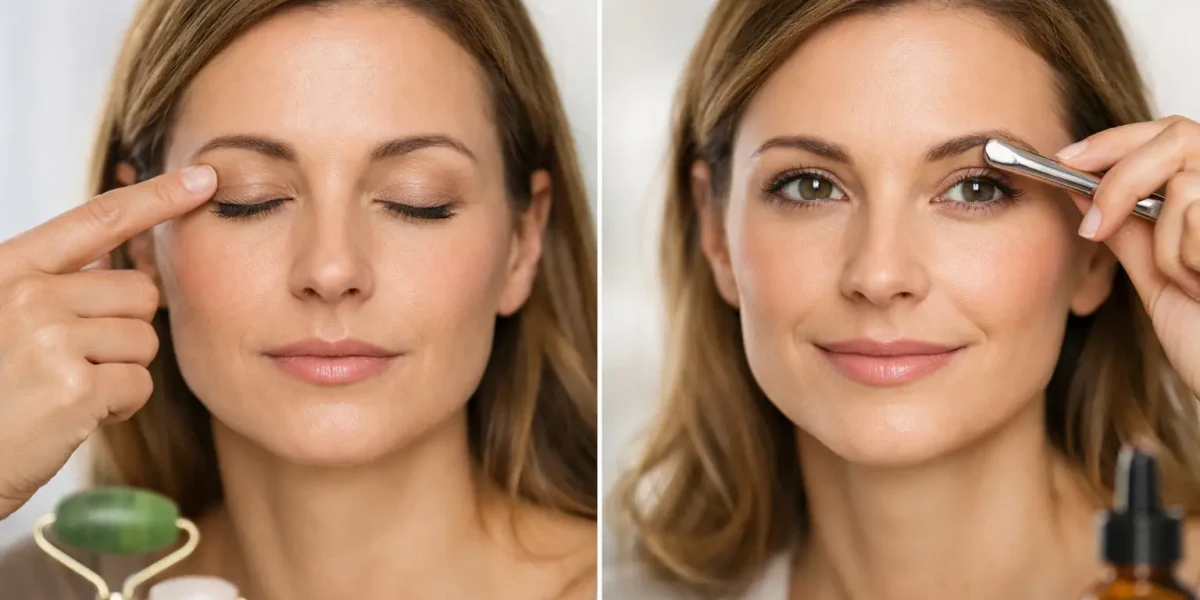
When your eyelids start to feel heavier, your whole face can look more tired than you actually feel. If you have been searching for how to improve hooded eyelids, the real answer depends on what is causing the hooding in the first place – genetics, skin laxity, aging, or a mix of all three.
Some women have naturally hooded eyes and love the shape. Others notice a gradual change over time, where the upper lid loses firmness, the brow area drops, and eye makeup starts disappearing into the fold. That is where strategy matters. The best approach is not chasing a one-size-fits-all fix. It is choosing the right level of correction for your anatomy, your goals, and how quickly you want to see change.
How to improve hooded eyelids starts with the cause
Hooded eyelids happen when excess skin from the brow bone area folds over the crease, making the lid look smaller or less visible. For some women, this is simply their natural eye shape. For others, collagen loss and tissue laxity make the hooding more pronounced with age.
That distinction matters. If your hooded eyelids are genetic, skincare alone will not dramatically change your lid structure. It can improve skin quality, texture, and firmness, but it will not remove a heavy fold. If the issue is mild to moderate laxity, non-surgical skin tightening can create visible improvement by tightening the area and stimulating new collagen.
You also want to consider whether the concern is truly the eyelid, the brow, or both. Sometimes what looks like excess lid skin is partly a descending brow. In those cases, treating only the eyelid may not give the balanced result you want.
Makeup can improve hooded eyelids visually
If your goal is immediate improvement, makeup still plays an important role. It will not change the anatomy, but it can make hooded eyes look more open, lifted, and defined within minutes.
The biggest mistake is applying shadow the same way you would on a deep-set or fully visible lid. With hooded eyes, much of the mobile lid disappears when the eye is open, so placement has to shift slightly above the natural crease. A soft matte transition color placed just above the fold can create the illusion of more lid space. Keeping the inner corner brighter and the outer corner softly lifted also helps the eye appear less weighed down.
Eyeliner needs restraint. Thick liner can make the visible lid look even smaller. A slim line close to the lashes, with a small upward flick if your eye shape allows it, usually looks cleaner and more lifting. Curling the lashes and focusing mascara on the outer upper lashes can also create a subtle eye-opening effect.
This is a good short-term solution, especially if your hooding is mild. But if you are frustrated because makeup keeps transferring, smudging, or disappearing, that usually signals that a more structural treatment may serve you better.
Skincare helps – but within limits
A quality skincare routine can support firmer-looking skin around the eyes, especially when dehydration and crepey texture are making hooding look worse. Ingredients that support collagen and skin renewal, such as retinoids, peptides, and antioxidants, can improve the appearance of the upper eye area over time.
That said, skincare has limits. Eye creams can hydrate and smooth. They can mildly improve texture. They do not remove excess skin or reposition tissue. If you are dealing with significant hooding, no cream is going to create the kind of lift that a tightening treatment can deliver.
This is where many women waste time and money. They keep layering expensive products on a structural concern. Better skin quality is always a plus, but if laxity is your main issue, you need a treatment that addresses laxity directly.
Non-surgical treatment is often the sweet spot
For women who want visible correction without going straight to surgery, non-surgical eyelid tightening is often the most appealing option. It sits in that sweet spot between temporary camouflage and a full surgical blepharoplasty.
Plasma-based skin tightening has become especially attractive for hooded eyelids because it targets loose skin with precision. The goal is to contract and tighten the tissue while stimulating collagen production, so you get both an initial tightening effect and progressive improvement over the following weeks and months.
When performed by an experienced provider, this kind of treatment can improve mild to moderate hooding, soften crepey skin, and create a more lifted, open look without injections or cutting. That matters to women who want real change but do not want scars, extensive downtime, or a surgical recovery.
At Isa Skincare, this approach is reflected in Avatar Skin Lift Therapy, a soft-surgery option designed to tighten lax skin and create long-lasting rejuvenation with fast healing. For the right candidate, it can be a strong answer to how to improve hooded eyelids without committing to an operating room.
How to improve hooded eyelids with realistic expectations
The most successful treatments start with realistic expectations. Non-surgical lifting can create impressive improvement, but it is not identical to surgery. If you have severe excess skin, significant brow descent, or functional obstruction affecting vision, surgery may still be the more appropriate path.
For mild to moderate hooding, though, non-surgical treatment can offer a visible refresh that looks natural rather than overdone. The eye area appears tighter, the upper lid looks less heavy, and the entire face can seem more rested. Many women prefer this because they want improvement, not a dramatic change that alters their expression.
It is also worth remembering that collagen remodeling takes time. You may see an early tightening effect, but the more refined result develops gradually. That is a benefit if you like subtle, progressive transformation, but it can feel slow if you are expecting instant perfection.
Who is a good candidate for treatment?
A good candidate is usually someone with mild to moderate hooding, decent skin integrity, and a desire to lift the eye area without surgery. If you are noticing more upper lid heaviness, makeup transfer, or a tired appearance that does not match how you feel, you may be in the ideal window to treat the issue before it becomes more advanced.
Skin tone, skin thickness, medical history, and healing tendencies all matter. The eyelid area is delicate, so precision is everything. This is not a treatment to bargain-shop. Expertise matters more than hype, especially on a feature as central as the eyes.
You also want an honest assessment. The right provider should tell you when a non-surgical treatment is likely to work well and when a surgical referral would better serve your goals. Confidence should never come from overselling. It should come from skill, judgment, and results.
Recovery and downtime: what to expect
One of the reasons women ask how to improve hooded eyelids without surgery is simple – they do not want a major recovery. That is fair. Non-surgical tightening is generally attractive because downtime is typically lighter than surgery, but that does not mean zero downtime.
You can expect a healing period, and the eye area may look temporarily swollen or marked as the skin recovers. The exact timeline depends on the treatment method, your skin, and how closely you follow aftercare. Fast healing is possible, but it still requires patience.
This is where planning matters. If you have an important event, do not schedule too close to it. Give your skin time to settle so your final result can shine.
The best approach is personalized, not trendy
There is no single best fix for every hooded eyelid. Makeup can create instant lift. Skincare can improve texture and support the skin. Non-surgical plasma tightening can correct mild to moderate laxity in a way that products alone cannot. Surgery remains the strongest option for more advanced excess skin.
The smartest move is to stop thinking in trends and start thinking in diagnosis. What exactly is causing your hooding? How much correction do you want? How much downtime are you willing to accept? Those answers shape the right plan.
When you choose a treatment that matches your anatomy instead of chasing a generic beauty promise, the result tends to look more elegant, more believable, and more like you – just fresher. If your eyes have started to look heavier than you want, that is not a reason to settle. It is simply a sign that the area deserves an expert approach.