
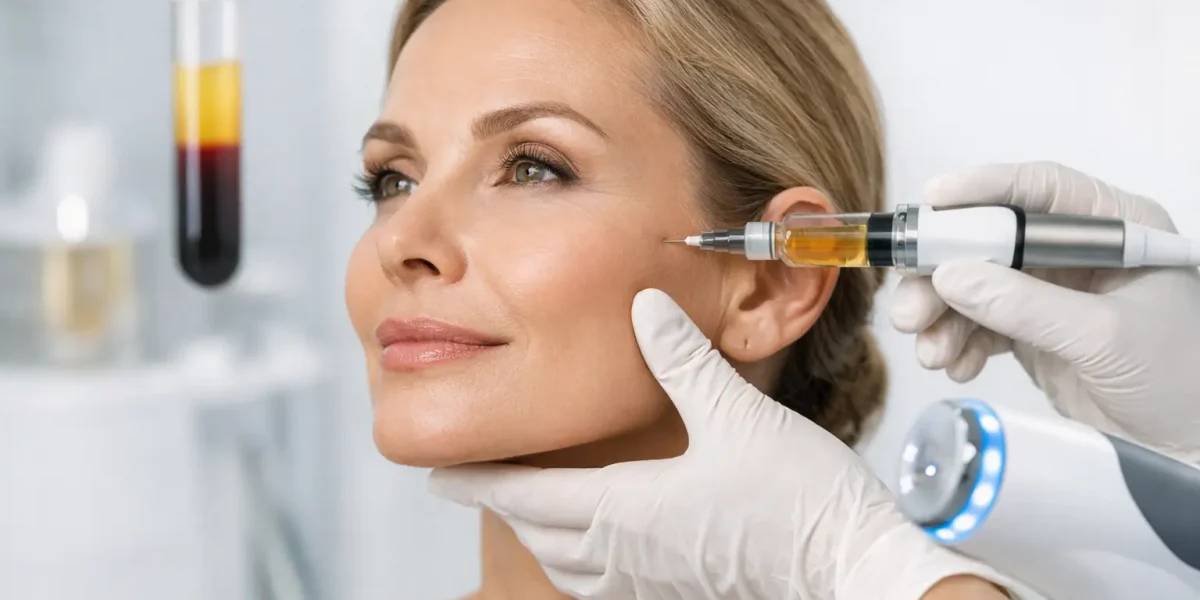
A little looseness at the eyelids, fine lines around the mouth, or a jawline that no longer looks as defined can make you feel unlike yourself in photos. If you are researching plasma alternatives, you are likely looking for visible tightening without committing to surgical lifting, extended recovery, or a result that changes your natural expression.
The right treatment is not always the newest or most dramatic option. It is the one that matches your skin quality, degree of laxity, comfort level, timeline, and desired result. Plasma-based treatments can be effective for selected concerns, but they are only one part of a much bigger non-surgical rejuvenation conversation.
What plasma skin tightening is designed to do
Plasma skin tightening, sometimes called plasma fibroblast treatment, uses a controlled energy discharge near the skin to create tiny treatment points. This controlled injury is intended to trigger the skin’s repair response and encourage collagen remodeling over time. It is often chosen for crepey texture, fine lines, upper eyelid laxity, lines around the lips, and small areas that need refinement.
Results are progressive rather than instant in the truest sense. Some swelling and surface crusting can occur after treatment, and the skin needs time to heal and remodel. The final effect depends on the area treated, your age, sun exposure, skin health, aftercare, and the experience of the person performing the procedure.
For the right candidate, plasma can offer a meaningful improvement without incisions. But it is not the answer to every type of laxity. Deeper folds, heavy jowling, significant volume loss, and advanced skin sagging may call for a different approach or a carefully planned combination of treatments.
Plasma alternatives worth considering
There is no single “best” treatment for firmer-looking skin. Each technology works differently, and the trade-off is usually between intensity, downtime, cost, comfort, and how dramatic the improvement can be.
Radiofrequency skin tightening
Radiofrequency uses heat delivered into the deeper layers of skin to encourage collagen contraction and new collagen production. Depending on the device, it may be delivered externally or combined with microneedling.
This option can be appealing when you want gradual firming with little visible downtime. It is commonly used on the face, neck, jawline, abdomen, arms, and other areas where mild to moderate laxity is a concern. A series of sessions is often recommended, especially with gentler treatments.
Radiofrequency microneedling can offer more texture-focused improvement because it combines controlled needling with heat beneath the skin’s surface. It may help improve acne scarring, enlarged pores, fine lines, and early laxity at the same time. Redness and swelling are common for a few days, and the treatment should be selected carefully for your skin type and pigment history.
Focused ultrasound
Focused ultrasound sends energy beneath the skin’s surface to target deeper structural layers. It is frequently considered for lifting the brow area, softening early jawline laxity, and improving the appearance of a slightly loose neck.
This is not a treatment for someone expecting a surgical facelift result. It is best for clients with mild to moderate laxity who want to preserve their facial character while supporting a firmer, more lifted appearance over several months. The skin surface is usually intact afterward, which can make ultrasound attractive for clients who cannot manage visible healing time.
The trade-off is patience. Collagen remodeling takes time, and the change can be subtle for some people. It also may not be ideal for a very thin face with limited facial volume, since a skilled provider should consider how every energy-based treatment fits your existing facial structure.
Fractional laser resurfacing
When fine lines, sun damage, uneven tone, and rough texture are as concerning as laxity, fractional laser resurfacing may be a stronger alternative. Lasers create controlled thermal channels in the skin to stimulate repair and resurface the complexion.
Ablative laser treatments can create more noticeable resurfacing results but typically involve more redness, peeling, and downtime. Non-ablative options tend to have a gentler recovery but may require multiple sessions. The right laser depends on your goals, your tolerance for downtime, and how your skin responds to pigmentation or inflammation.
Laser is often a texture and quality treatment first, with tightening as an added benefit. If your main goal is to lift a heavy lower face, laser alone may not give you the level of change you want.
Injectable treatments for structure and expression
Not every line is caused by loose skin. Some are created by repeated facial movement, while others become deeper because the face has lost volume and support. Neuromodulators can soften dynamic expression lines, while carefully placed dermal filler or biostimulatory injectables may restore balance and support in selected areas.
These treatments work very differently from plasma. They do not resurface the skin or create the same type of collagen response, but they can be a better fit when volume loss, facial asymmetry, or muscle movement is the main issue. The key is restraint. A refreshed look should still look like you, not like a different person.
Surgical lifting
A surgical eyelid lift, facelift, neck lift, or brow lift remains the most predictable option for substantial excess skin and pronounced sagging. Surgery has a longer recovery period, greater expense, and the normal considerations that come with any medical procedure. It can also provide a degree of correction that non-surgical technology cannot realistically duplicate.
Choosing surgery is not a failure of non-surgical treatment. It is simply a different level of correction. An honest consultation should make that distinction clear rather than promise that any device can replace surgery for every face.
How to choose among plasma alternatives
Start with the concern you want to improve, not with the device name. If your priority is crepey eyelid skin or fine etched lines, a surface-focused treatment may make sense. If your jawline is beginning to soften, deeper collagen-stimulating energy may be more appropriate. If hollowing at the cheeks is making folds look deeper, restoring support may create a more balanced improvement than tightening alone.
Your skin tone and history matter, too. Anyone prone to post-inflammatory hyperpigmentation, raised scarring, or prolonged discoloration needs a conservative, personalized plan. This is particularly relevant with treatments that create visible surface injury. A qualified provider should discuss pigment risk, aftercare, sun avoidance, and whether a patch test or alternative treatment is more appropriate.
Timing is another deciding factor. Plasma and more intensive resurfacing treatments can require visible healing, especially in delicate areas. Radiofrequency, ultrasound, and certain injectables may suit a busier schedule, although they still require appropriate recovery time and realistic expectations.
Finally, ask how the treatment will be measured. “Tighter” can mean smoother texture, less creasing, a sharper contour, or improved symmetry. Before-and-after photographs taken in consistent lighting and positioning are more useful than vague promises. Your plan should include the expected number of sessions, when results should appear, how long they may last, and what maintenance could look like.
The value of a customized treatment plan
The most beautiful results rarely come from treating every concern with one technology. At Isa Skincare, Avatar Skin Lift Therapy is approached as a soft-surgery option for clients who want targeted refinement and progressive collagen support without injections or traditional surgical scarring. Yet even a signature treatment should be chosen because it fits the client, not because it is the only option available.
An experienced aesthetic professional looks at skin thickness, elasticity, facial balance, lifestyle, healing capacity, and the result you can realistically achieve. That level of assessment protects you from spending money on a treatment that sounds exciting but does not address the reason you see aging in the mirror.
The goal is not to chase every line or erase your expression. It is to choose a treatment that helps your skin look stronger, smoother, and more aligned with the confidence you already carry. Book your consultation when you are ready to discuss your concerns honestly and build a plan around your face, your skin, and your standards.