
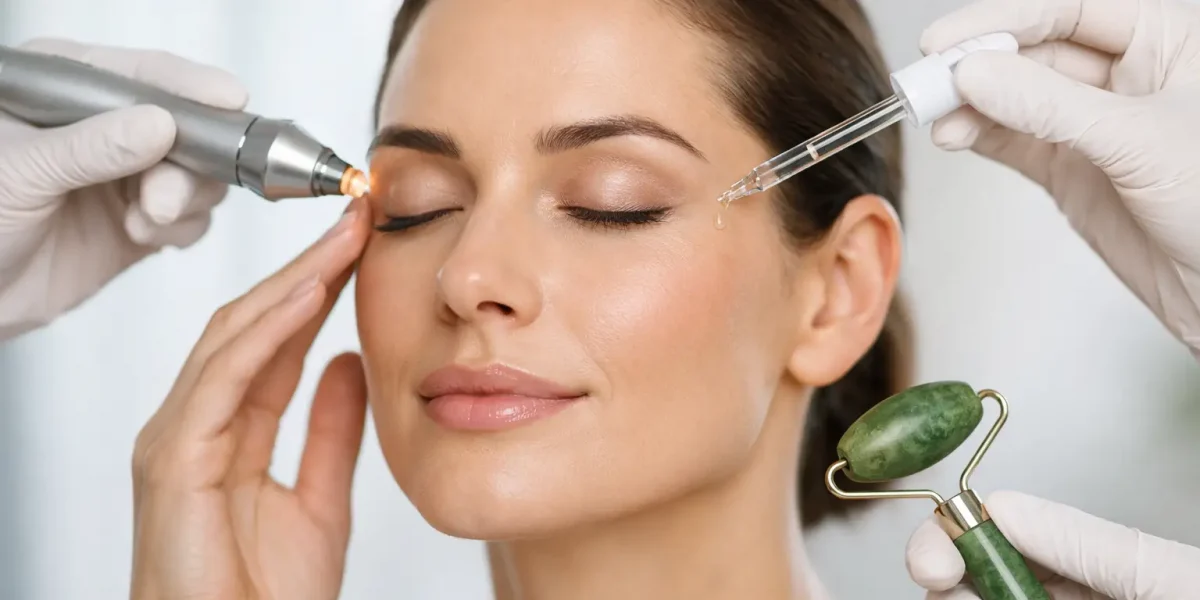
Heavy upper lids can make the eyes look tired even when you feel fully rested. The best ways to tighten eyelids depend on what is creating the change: loose skin, fine creasing, a lowered brow, puffiness, or a combination of all four. The right approach should refresh your eye area without changing the expression that makes your face yours.
For many women, the goal is not an exaggerated lift. It is smoother eyelid skin, a more open-looking eye, and makeup that sits beautifully again. There are useful at-home habits, professional non-surgical treatments, and surgical options to consider. Knowing where each one fits saves time, money, and disappointment.
Why eyelid skin starts to look loose
Eyelid skin is among the thinnest skin on the body. It moves constantly when you blink, smile, squint, apply makeup, and remove it at night. Over time, collagen and elastin naturally decline, and the skin becomes less able to snap back into place.
Sun exposure is a major contributor, particularly in sunny climates where the delicate eye area is exposed every day. Genetics matter too. Some people develop hooding early because of their bone structure, brow position, or inherited skin quality. Fluid retention, allergies, poor sleep, and dehydration can add temporary puffiness that makes looseness more noticeable.
This distinction matters. Skin laxity may respond well to collagen-stimulating treatment. A brow that has descended may need a different strategy. Pronounced fat pads or a large amount of excess skin may be better addressed surgically. Honest assessment is the foundation of a result that looks refined rather than overdone.
Best ways to tighten eyelids at home
At-home care will not remove significant excess eyelid skin, but it can protect the collagen you have and improve the way the eye area looks day to day. Think of it as support, not a substitute for a professional lift.
Daily broad-spectrum sunscreen around the orbital bone is non-negotiable. Choose a formula designed for the face that does not sting your eyes, and wear UV-protective sunglasses outdoors. Sun damage breaks down collagen silently, then shows up as crinkling and laxity later.
A gentle eye product with ingredients such as peptides, antioxidants, hyaluronic acid, or a well-tolerated retinoid can support smoother-looking skin over time. Retinoids need extra care near the eyes. Start slowly, use a small amount, avoid getting product into the eye, and stop if you develop persistent irritation, dryness, or swelling. If you are pregnant, breastfeeding, or under medical care for an eye condition, ask your clinician before using one.
Cold compresses and a good night’s sleep can reduce the appearance of morning puffiness. Limiting excess salt and treating seasonal allergies may also help. These steps create a fresher look, but they do not tighten stretched skin or replace collagen that has already been lost.
Professional non-surgical eyelid tightening
When creams are no longer giving you the change you want, professional treatment can target laxity more directly. The best option depends on the amount of loose skin, your skin tone and healing history, whether you have hooding, and how much downtime you can accept.
Plasma skin tightening for targeted laxity
Plasma-based skin tightening is designed for small, precise areas of loose, crepey skin, making it especially relevant around the upper and lower eyelids. In Avatar Skin Lift Therapy, controlled plasma energy creates tiny, strategic points on the surface of the skin. This soft-surgery approach is intended to trigger the skin’s natural renewal response and encourage collagen remodeling as the area heals.
The attraction is clear: it can create a visible tightening effect without incisions, injectable filler, or traditional surgery. Results continue to develop as collagen remodels over the following weeks and months, so the early lift is only part of the transformation. Treatment plans should be tailored carefully, because eyelid skin requires precision, conservative placement, and experienced hands.
There is downtime to plan for. Small crusts, redness, and swelling are expected during the initial healing period, and strict aftercare matters. Do not pick, rub, use makeup before you are cleared, or expose healing skin to sun. The procedure is not right for everyone, including some clients with certain skin conditions, healing concerns, or a tendency toward pigment changes. A detailed consultation should always come before treatment.
Radiofrequency and other energy-based treatments
Radiofrequency and some laser-based treatments warm deeper layers of the skin to encourage collagen production. They can be a good fit for mild laxity, fine lines, and clients who prefer a gradual, low-downtime improvement. Often, a series is needed, and results are usually subtle rather than dramatic.
Energy treatments can be valuable for maintaining skin quality or treating early changes. They may not be enough when the upper lid has substantial folding or when you want a more defined opening of the eye. Your provider should explain the likely degree of improvement rather than promising a surgical-level result from a light treatment.
Neuromodulators for a subtle brow lift
Neuromodulator injections can relax muscles that pull the brow downward, allowing a slight lift in selected clients. This can make the eyes appear more open and soften crow’s feet. It does not tighten loose eyelid skin, remove hooding, or replace a skin-tightening treatment.
This option is best for someone whose brow position is contributing to a tired appearance and who wants a temporary, subtle adjustment. Precise placement is essential around the eyes. An inexperienced approach can create heaviness instead of lift, which is exactly what you are trying to avoid.
When eyelid surgery may be the better choice
A non-surgical approach is powerful, but it has limits. Blepharoplasty may be the more predictable option if excess upper eyelid skin hangs over the lash line, interferes with vision, or creates a degree of hooding that cannot reasonably be improved with collagen stimulation alone. Surgery can also address fat pads and structural concerns that topical products and energy treatments cannot remove.
The trade-off is greater recovery, incisions, and the commitment of surgery. For the right candidate, those trade-offs are worthwhile. For someone with mild to moderate laxity who wants to avoid scars and a lengthy surgical recovery, a well-planned non-surgical treatment may be the more aligned choice.
A trustworthy provider will not push one answer for every face. They will explain whether your concern is skin, muscle, fat, brow position, or swelling, then recommend the option that matches your anatomy and goals.
How to choose a safe eyelid treatment provider
The eye area is not a place to bargain hunt. Ask who will perform your treatment, what training and experience they have with eyelid anatomy, and what results are realistic for your degree of laxity. Review healed outcomes, not only immediate after photos, because true collagen remodeling takes time.
You should also ask about discomfort management, expected swelling, aftercare, pigment risk, and when you can return to work, exercise, and makeup. A quality consultation includes medical history, medications, past cosmetic procedures, allergies, and your tendency to scar or hyperpigment. If a provider dismisses those questions or guarantees a perfect result, keep looking.
At Isa Skincare, the focus is on creating visible refinement while respecting your natural features. A personalized plan can combine thoughtful skin care, precise plasma-based tightening, and realistic expectations so your eyes look rested, lifted, and unmistakably like you.
The most effective eyelid treatment is the one that matches the real reason your eyes look heavier. Protect your skin daily, be patient with collagen-building treatments, and choose expert evaluation before committing to a procedure. A confident, refreshed eye area should still let your expression speak first.