
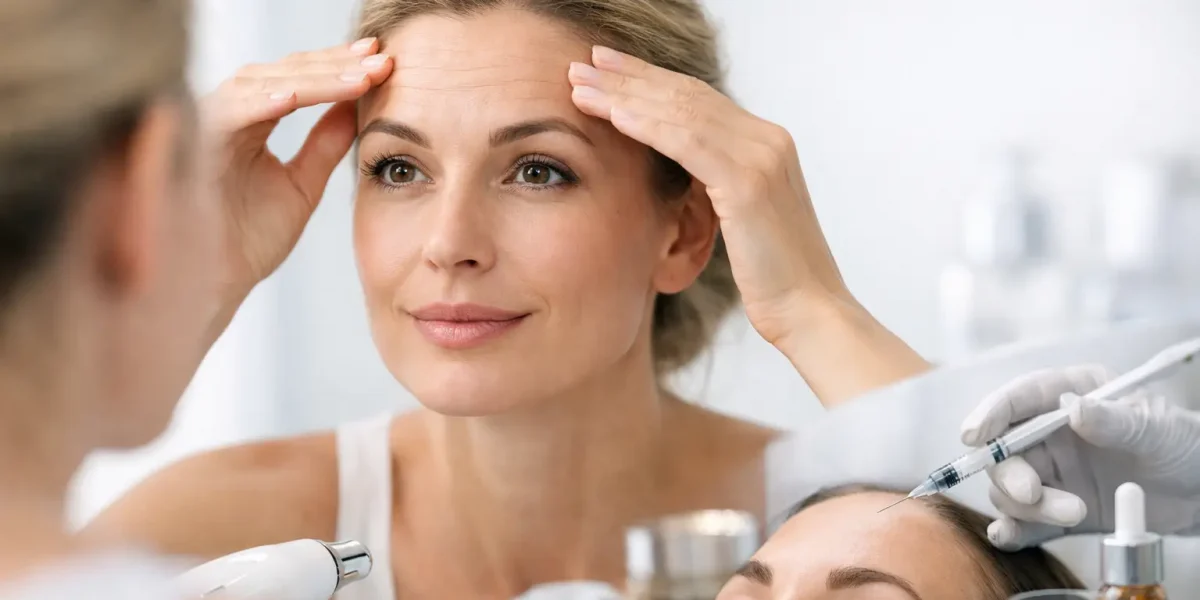
Forehead lines are rarely just one thing. Some appear only when you raise your brows, while others stay visible even when your face is completely relaxed. That distinction matters when choosing the best treatments for forehead lines. The goal is not to freeze expression or chase an unrealistic version of smooth skin. It is to soften the lines that distract from how refreshed, confident, and vibrant you feel.
For women who want visible improvement without committing to traditional surgery, the strongest plan starts with understanding what is creating the line. Muscle movement, collagen loss, sun exposure, skin dehydration, and genetics can all play a role. The right treatment is the one that addresses your specific pattern, skin quality, and desired downtime.
What Causes Forehead Lines to Deepen?
The forehead is one of the most expressive areas of the face. Every time you lift your brows, squint, react, or concentrate, the frontalis muscle contracts and folds the skin. In earlier years, those folds disappear as soon as the muscle relaxes. Over time, repeated movement can leave behind static lines that remain visible at rest.
Collagen and elastin loss make that process more noticeable. As skin becomes thinner and less resilient, it does not bounce back as easily after movement. UV exposure can accelerate the breakdown, while dehydration and a weakened skin barrier may make fine lines look more pronounced from day to day.
This is why a single treatment is not always the answer. Dynamic lines may respond beautifully to a muscle-relaxing injectable. Etched-in lines and crepey skin often need collagen stimulation or resurfacing as well. A skilled provider looks beyond the wrinkle itself and considers the condition of the skin around it.
The Best Treatments for Forehead Lines, Based on Your Concern
Neuromodulators for movement-based lines
For forehead lines caused primarily by repeated muscle movement, neuromodulators such as Botox, Dysport, Jeuveau, or Xeomin are a common option. These treatments temporarily reduce the strength of the muscle contractions that crease the forehead, helping the skin rest more smoothly.
Results typically develop over several days and can last for a few months, depending on the product, dosage, metabolism, and facial movement. They are especially useful for lines that appear when raising the brows or frowning. However, they do not rebuild collagen or fully erase deeply etched lines on their own.
Technique matters enormously on the forehead. Over-treating can create a heavy brow or an expression that does not feel like you. The best result is controlled, balanced movement – softened lines with your natural personality still intact.
Avatar Skin Lift Therapy for crepey or etched skin
When forehead lines are paired with skin laxity, texture changes, or fine creasing that remains at rest, skin-tightening approaches deserve serious consideration. Isa Skincare’s Avatar Skin Lift Therapy is a plasma-based soft-surgery treatment designed to create controlled micro-injury in targeted areas, encouraging the skin’s natural collagen-remodeling response.
This approach is particularly appealing for clients who want a non-injectable option or who feel that muscle relaxation alone will not address the quality of their skin. The treatment can create an immediate tightening effect, while progressive collagen support continues to improve the appearance of the area over the following months.
There is a trade-off: plasma treatments require a healing period, and visible pinpoint crusting or swelling can occur before the skin settles. That downtime is often worthwhile for the right candidate, especially when the goal is firmer-looking skin and lasting texture improvement without surgical incisions. Treatment suitability depends on skin type, health history, sun exposure habits, and the depth of the concern.
Microneedling and radiofrequency for gradual collagen support
Microneedling creates tiny, controlled channels in the skin to encourage collagen production. Radiofrequency microneedling combines that process with heat delivered deeper into the tissue. Both can improve fine lines, texture, and mild laxity over a series of treatments.
These options tend to suit clients who prefer gradual improvement and modest downtime. They can be valuable for early forehead lines, sun-related texture changes, or as part of a maintenance plan after a more focused treatment. Expectations should be realistic: they are not a replacement for neuromodulators when strong muscle movement is the main cause, and very deep lines may need a more comprehensive approach.
Laser or chemical resurfacing for sun damage and texture
Resurfacing treatments can make a major difference when the forehead looks rough, dull, or marked by fine lines caused by cumulative sun exposure. Depending on the device or peel strength, these treatments remove or remodel damaged layers of skin and support fresh collagen production.
A lighter peel may offer glow and minimal recovery, while deeper laser resurfacing can provide more dramatic renewal with greater downtime. Skin tone, sensitivity, history of pigmentation, and willingness to follow strict aftercare all influence the safest choice. This is not the treatment to choose based on a social media trend. It requires thoughtful skin assessment and an experienced hand.
Dermal filler: selective use, not a first choice
Dermal filler is excellent in many areas of the face, but it is not usually the first treatment for horizontal forehead lines. The forehead contains important blood vessels, and injection in this area requires advanced anatomical knowledge and careful risk assessment.
For most clients, relaxing excessive movement and improving skin quality offers a safer, more natural-looking path. If filler is ever considered, it should be performed only by a highly qualified medical injector who can determine whether it is appropriate for your individual anatomy.
Brow lift surgery for significant laxity
A surgical brow lift may be the most effective choice when heavy brows, pronounced forehead laxity, or substantial excess skin are the central concerns. Surgery can deliver a more dramatic and durable repositioning result than non-surgical treatments.
It also comes with anesthesia considerations, scars, more recovery time, and a larger financial commitment. Non-surgical skin tightening can be an excellent option for clients who want improvement without those trade-offs, but it should not be presented as identical to surgery. The right decision depends on how much lift is needed and what level of downtime feels acceptable.
Why Combination Treatment Often Looks Most Natural
The most convincing results often come from treating the forehead in layers. A neuromodulator can calm the muscle that repeatedly folds the skin. Plasma skin tightening, microneedling, or resurfacing can then improve the texture and collagen support that make static lines visible. Daily sun protection helps protect that investment.
This approach is not about doing everything at once. It is about choosing treatments in the right order. For example, if aggressive brow movement is constantly re-creasing the skin, addressing that movement first may allow a collagen-focused treatment to deliver a better result. If the skin is dry, sun-damaged, or irritated, restoring its barrier before intensive procedures can support more even healing.
At home, a broad-spectrum SPF 30 or higher is non-negotiable. A retinoid or retinol may help support cell turnover and fine-line improvement when tolerated, while moisturizer and antioxidant support can help the skin look smoother and more luminous. Skincare is not a substitute for a professional procedure when lines are deeply established, but it is what helps preserve every professional result.
Choosing a Treatment Plan You Can Feel Good About
Be cautious of anyone who promises to erase every forehead line permanently in one appointment. Facial aging is ongoing, muscle movement is natural, and lasting results require maintenance. What you can expect from a well-designed plan is meaningful softening, improved skin quality, and a forehead that looks rested rather than overdone.
A proper consultation should include your medical history, current medications, previous aesthetic treatments, skin type, healing tendencies, and the amount of downtime you can realistically manage. It should also include a clear conversation about your goals. Some women want their forehead almost completely smooth; others want movement with less visible creasing. Both are valid, but they call for different techniques.
Your forehead should not announce the treatment you had. It should simply let your eyes, brows, and expression look more open, polished, and unmistakably yours. Choose expertise over quick fixes, protect your skin between appointments, and give collagen-focused treatments the time they need to reveal their full improvement.