
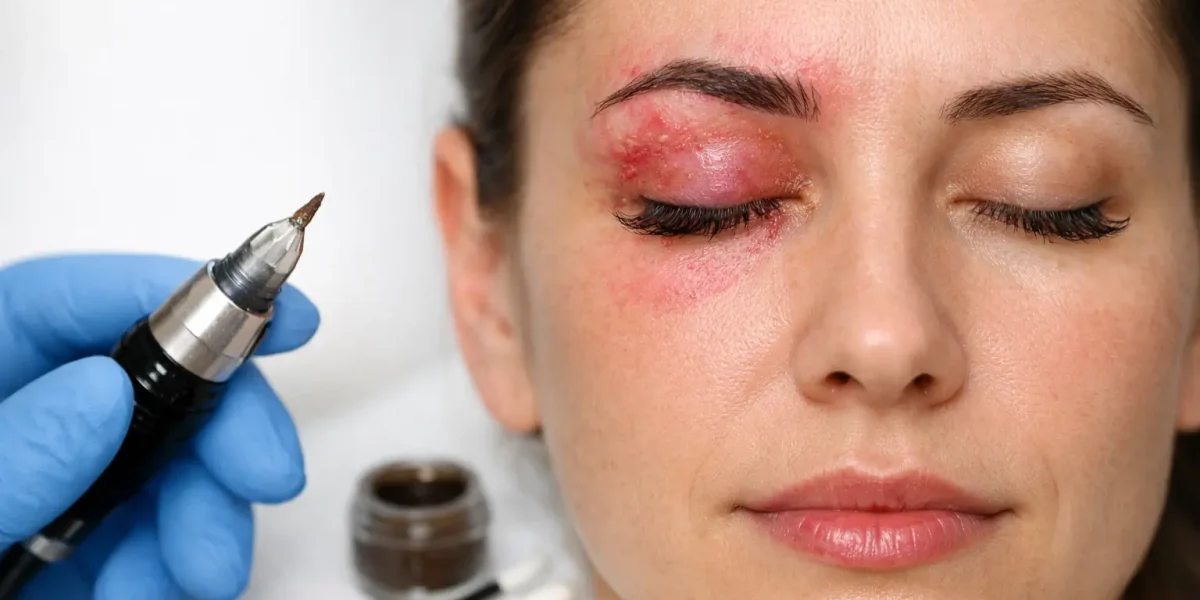
A beautifully shaped brow or softly tinted lip can simplify your routine for years. But permanent makeup allergies deserve a serious conversation before pigment ever touches the skin. A reaction is not a sign that someone has done something wrong or that you are not a good candidate for cosmetic enhancement. It is a signal to slow down, identify the cause, and protect your health first.
Permanent makeup is a controlled cosmetic procedure, but it still creates tiny openings in the skin and introduces products into a sensitive area. The right preparation, honest health history, and clear aftercare plan can make the experience far more predictable.
Permanent Makeup Allergies or Normal Healing?
Mild redness, tenderness, light swelling, and a tight or dry feeling are common in the first days after a brow, eyeliner, or lip procedure. The treated area has been worked on, and it needs time to settle. Flaking during healing can also be expected, especially when aftercare instructions are followed carefully.
An allergy is different. It is an immune response to an ingredient, and it can appear immediately or days, weeks, or even much later after a procedure. The skin may become intensely itchy, puffy, bumpy, hot, or persistently inflamed. A reaction can be limited to the pigment area, but severe allergies may involve symptoms elsewhere in the body.
Irritation and infection can look similar at first, which is why guessing is not a smart strategy. Irritation may result from over-cleansing, friction, an unsuitable skincare product, or using too much ointment. Infection may bring worsening pain, heat, spreading redness, drainage, or fever. A qualified medical professional should assess symptoms that are severe, worsening, or outside the expected healing pattern.
What Can Trigger Permanent Makeup Allergies?
Pigment is the first product most clients think about, but it is not the only possible trigger. Pigments contain colorants and supporting ingredients designed to keep the formula stable and workable. Red and warm-toned pigments have historically been associated with more delayed reactions in some people, although any shade or formulation can potentially cause sensitivity.
Topical numbing products are another consideration. Some people react to active anesthetic ingredients, preservatives, or fragrances in numbing creams and gels. The products used before and during a treatment matter just as much as the pigment itself.
Aftercare can also be the source of a problem. Fragranced balms, essential oils, antibiotic ointments used without medical direction, cosmetics, sunscreen, and active skincare applied too soon can all irritate compromised skin. Even jewelry allergies may be relevant when someone has a strong history of reacting to metals, though that does not automatically predict a pigment allergy.
The practical takeaway is simple: a reaction requires detective work. It should never be casually blamed on “the ink” without reviewing every product that touched the area.
The Consultation Should Be Specific
A confident permanent makeup decision starts with a consultation that goes beyond color selection. Share any past reactions to tattoo ink, hair dye, cosmetics, latex, adhesives, numbing products, metals, or skincare. Mention eczema, psoriasis, rosacea, chronic hives, autoimmune conditions, immune-suppressing medication, active skin infections, and a history of severe allergies.
These details do not always rule out treatment. They help determine whether treatment should be postponed, modified, or cleared with your physician or allergist first. If you have previously experienced facial swelling, breathing trouble, or anaphylaxis from any product, do not treat a cosmetic appointment as a place to test your limits. Medical guidance comes before a beauty service.
Ask your artist what pigment, anesthetic, cleanser, and aftercare products are planned. A professional should be able to explain the products being used and document their names, shades, and batch information. That record is valuable if a delayed reaction develops and a dermatologist needs to investigate.
Why a Patch Test Helps, but Cannot Promise Safety
A patch test may be recommended for clients with a history of sensitivity. It can reveal certain immediate contact reactions and offers useful information before a full procedure. Still, it is not a guarantee that permanent makeup will be reaction-free.
The immune system can react differently when a substance is placed into the skin compared with when it is applied on the surface. Some pigment reactions are delayed, and some occur only after repeated exposure. Consider a patch test one layer of risk management, not a green light to ignore your personal health history.
Signs You Should Not Wait Out
Expected healing should gradually improve, not intensify. Contact your provider promptly if you develop persistent itching, raised bumps, unusual swelling, or redness that continues to spread after the early healing period. Stop using any nonessential product on the area until you receive appropriate advice, and do not try to cover the problem with makeup.
Seek urgent medical care immediately for signs of a serious allergic reaction, including:
- Difficulty breathing, wheezing, throat tightness, or trouble swallowing
- Swelling of the lips, tongue, face, or throat
- Widespread hives or a rash beyond the treated area
- Dizziness, fainting, confusion, or a racing heartbeat
Do not attempt to self-treat severe symptoms with leftover medication or wait to see whether they fade. Fast action matters when breathing or widespread swelling is involved.
For less urgent but concerning changes, take clear photos in natural light and note when symptoms began, which products were used, and whether the area is painful, itchy, warm, or producing discharge. This information helps both your permanent makeup artist and your healthcare provider make a clearer assessment.
If You Have Had a Reaction Before
A previous reaction does not always mean you can never have permanent makeup, but it does mean your next decision needs more care. A board-certified dermatologist or allergist may be able to help identify likely triggers through your history and appropriate testing. Bring any product names, ingredient lists, and photos from the reaction if available.
Be cautious with promises that a different pigment brand, a lighter shade, or a stronger numbing cream will solve the issue. It depends entirely on what caused the reaction. Switching products without understanding the trigger can expose you to the same problem again.
Removal also requires professional medical discussion if pigment is involved in an active or recurring reaction. Some removal methods can alter the pigment or stimulate further inflammation. The best next step is individualized, not rushed.
Choosing a Safety-First Permanent Makeup Provider
Beautiful results and responsible care belong together. Look for a provider who asks detailed health questions, works in a clean professional environment, uses quality products, and gives written pre-care and aftercare instructions. You should feel comfortable asking what is being used and why.
A skilled artist will also know when not to proceed. Rescheduling a treatment because the skin is irritated, an allergy is unresolved, or a client needs medical clearance is not a missed opportunity. It is the standard of care that protects the result and the person receiving it.
At Isa Skincare, the goal is always enhancement that feels empowering, never pressure to push through a concern. Your natural beauty deserves expertise, but it also deserves patience. When your skin gives you a warning, listen to it first, get the right guidance, and return to your beauty plan only when you feel genuinely safe and ready.