
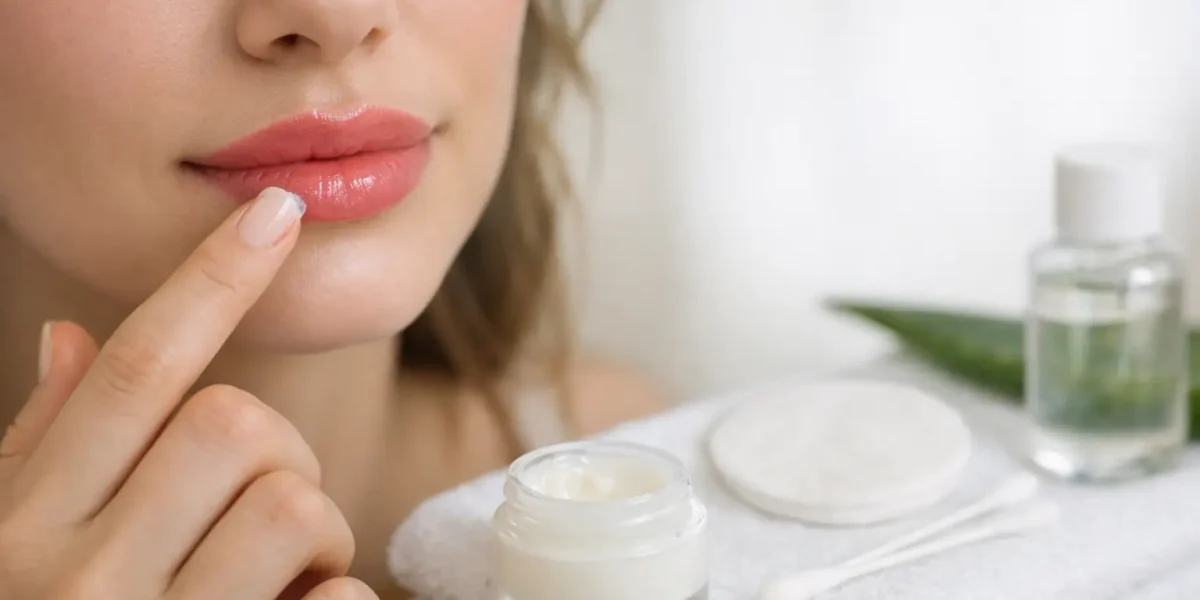
The first 7 to 10 days after your appointment can make or break your final lip blush result. You paid for shape, softness, and lasting color – so care for lip blush aftercare is not the extra step. It is part of the treatment. When clients follow the healing plan closely, lips tend to heal more evenly, hold pigment better, and stay comfortable through the process.
Why lip blush aftercare matters so much
Lip blush is a cosmetic tattoo, but the lips are not like the brows or skin on the forehead. This area moves constantly, stays moist, and reacts quickly to heat, friction, and dehydration. That means healing can be a little unpredictable if you are careless in the first week.
Right after treatment, the color usually looks brighter and bolder than expected. That is normal. Lips can also feel tight, tender, or slightly swollen for the first day or two. As they heal, they may flake lightly and the color can look patchy before it settles. This stage makes some people nervous, but it is part of the process.
What matters is protecting the skin while it closes and letting pigment stabilize without interference. Too much friction, spicy food, picking, sun exposure, or the wrong products can disrupt that healing and affect retention.
Care for lip blush aftercare in the first 24 hours
The first day is about keeping the area clean, calm, and protected. Your artist may give you specific instructions, and those always come first. In general, you want to avoid touching your lips unless your hands are freshly washed.
Blotting may be recommended if there is light lymph fluid, especially in the first few hours. This helps prevent heavy buildup and thick scabbing. After that, lips should be kept lightly moisturized with the aftercare product your provider recommends. Not drenched, not dry – just protected.
Drink through a straw if your artist advises it. Be careful with coffee, hot drinks, and anything that can irritate the lips. Heat can increase swelling, and strong seasonings can sting. If you are used to licking your lips when they feel dry, this is the time to stop. Saliva does not help healing. It usually makes lips more irritated.
What to avoid during lip blush healing
This is where a lot of people lose color without realizing it. Lip blush aftercare is not only about what you apply. It is also about what you stop doing for a few days.
Avoid kissing, excessive mouth stretching, spicy foods, salty foods, and acidic foods if they cause irritation. Try not to rub your lips with napkins or towels. Skip exfoliants, active skincare, and facial products that may migrate onto the lip area. Saunas, steam rooms, swimming pools, and long hot showers can all interfere with healing in the early stage.
Sun exposure matters too. Freshly treated lips are more vulnerable, and too much sun can affect both healing and color. Once the lips are fully healed, sun protection becomes part of long-term maintenance if you want the shade to stay true.
If you are prone to cold sores, this is an important conversation to have before treatment. Lip blush can trigger an outbreak in some clients, and that can impact the healed result. Your provider may recommend that you speak with your medical provider about preventive medication.
The healing timeline you can realistically expect
Every client heals a little differently, and that is the truth. Age, immune response, hydration, lifestyle, lip condition, and even how much natural pigment you have can all affect the process.
Days 1 to 3
Lips often look more intense, more defined, and slightly swollen. Some tenderness is expected. This is the stage where clients are tempted to judge the color too early. Do not. It is not the final result.
Days 4 to 7
Flaking usually starts here. The lips may look dry, uneven, or lighter in some spots. This can be frustrating, but picking at flakes is one of the fastest ways to create patchiness. Let the skin release naturally.
Days 7 to 14
Most visible peeling settles down. The color may seem very soft or even faded for a short time. That does not always mean the pigment is gone. The healed layer is still settling.
Weeks 4 to 8
This is when the true healed result becomes clearer. A touch-up appointment is often part of the full lip blush process because lips rarely heal perfectly in one session. Some areas may need reinforcement, especially if your lips were cool-toned, naturally dark, or uneven in texture.
How to keep lips comfortable without affecting color
Comfort matters, but not every lip product is a good idea during healing. Stick to the aftercare balm or ointment your provider recommends. Random lip masks, scented balms, plumping products, and heavily medicated formulas can irritate fresh pigment.
You also want to stay hydrated from the inside. Dry, dehydrated lips tend to heal harder and feel more uncomfortable. Drink water consistently and avoid habits that dry the lips out, including too much caffeine, alcohol, and constant lip licking.
If swelling is more noticeable the first day, a clean cold compress placed near the area can help, as long as you follow your provider’s guidance and do not apply pressure or soak the lips. Gentle is the standard here. Aggressive care is not better care.
When care for lip blush aftercare needs extra attention
Some clients need to be more cautious than others. If you have a history of cold sores, sensitive skin, autoimmune concerns, or slower wound healing, aftercare becomes even more important. That does not mean you cannot get lip blush. It means planning matters.
Darker lips, mature lips, and lips with previous filler can also heal differently. For example, mature lips may need more moisture support, while clients with significant lip dryness before treatment may notice more flaking. None of this is a dealbreaker. It just means expectations should be realistic and aftercare should be followed closely.
This is where experienced providers make a difference. A strong result is not only about pigment choice. It is also about technique, prep, and how clearly aftercare is explained.
Signs your lips are healing normally – and when to check in
Normal healing can include mild swelling, tenderness, tightness, dryness, flaking, and temporary unevenness in color. These are common. What you want to watch for is anything that feels excessive or unusual.
If you notice severe swelling, significant pain, pus, spreading redness, or signs of infection, contact your provider and seek medical advice as appropriate. If you develop a cold sore outbreak, let your artist know. Quick communication is always better than waiting and hoping it passes.
Most of the time, clients simply need reassurance that the awkward healing stage is temporary. Fresh lip blush rarely looks polished every single day of the healing process. The goal is the healed result, not the day-three selfie.
How to make your lip blush results last longer
Once healed, maintenance becomes simple. Protect your lips from sun, keep them hydrated, and schedule touch-ups when needed. Friction, frequent exfoliation, smoking, and sun exposure can all fade lip blush faster over time.
Color retention also depends on your body and your lifestyle. Some clients hold pigment beautifully for years, while others need refreshers sooner. That is not always about poor treatment. Fast cell turnover, skincare habits, and daily exposure play a role.
At Isa Skincare, we believe visible beauty should still look refined. Lip blush works best when the color complements your features and the healing is respected from day one. The women who get the best outcomes are usually not the ones doing the most. They are the ones following instructions consistently and letting the process do its job.
The biggest mistake clients make
The biggest mistake is trying to rush the healing phase. Picking, overapplying product, switching aftercare balms, testing makeup too soon, or assuming the color is wrong before it settles can all create problems that were avoidable.
Trust the timeline. Lip blush is a treatment that rewards patience. The first look is bold, the middle phase can be uneven, and the final result is softer and more natural. That change is normal.
If you want beautiful healed lips, treat aftercare with the same respect you gave the appointment itself. Protect the area, leave it alone when possible, and give the pigment time to settle into skin that is healing well. That is how good work becomes lasting work.