
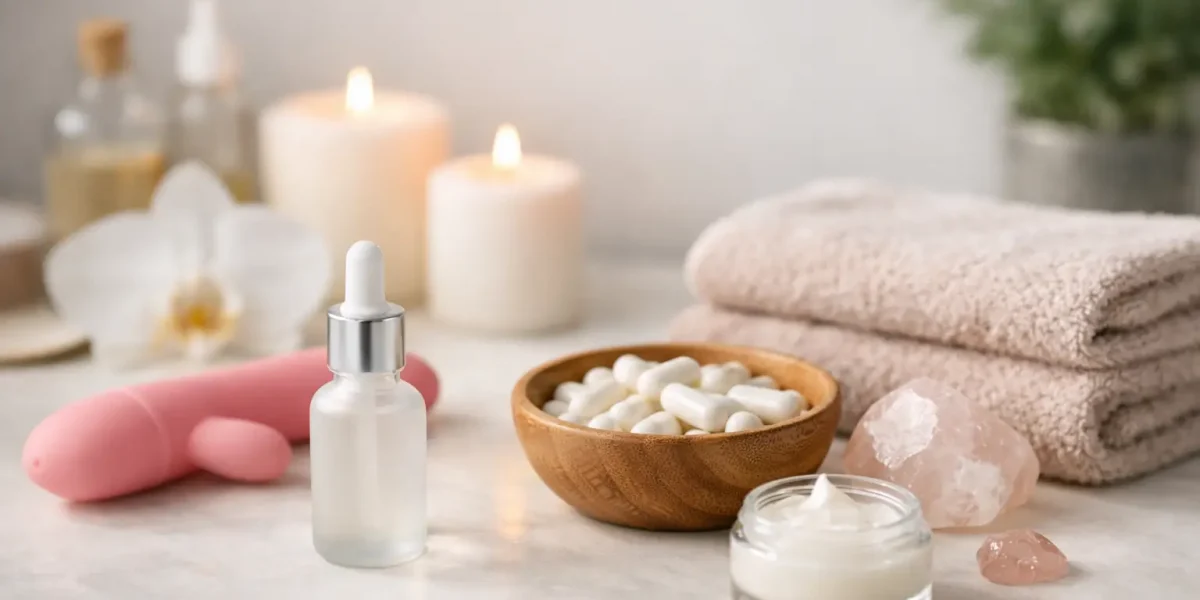
A quiet shift is happening in aesthetic care: women are no longer expected to accept intimate discomfort as an unavoidable part of aging, childbirth, hormonal change, or menopause. The intimate wellness trends 2026 conversation is less about chasing a perfect standard and more about having informed choices that support comfort, confidence, and quality of life.
For women who already invest in looking refreshed and feeling like themselves, intimate wellness is becoming a natural extension of personal care. The strongest trend is not a single device or procedure. It is a higher standard for personalized consultations, realistic outcomes, and treatments chosen for the right reason.
Intimate Wellness Trends 2026: Confidence With Context
For years, intimate concerns were either ignored or treated as something women should quietly tolerate. That mindset is changing. Women are speaking more openly about dryness, looseness, changes in sensation, irritation, and the way intimate changes can affect confidence in clothing, movement, relationships, and everyday comfort.
The key word is context. A woman in her late 30s after childbirth may have very different concerns from a woman navigating perimenopause or menopause. Someone may want aesthetic improvement, while another is primarily seeking support for tissue changes that affect comfort. Neither experience should be minimized, and neither should be treated with a one-size-fits-all answer.
This more honest approach is raising the bar for providers. A worthwhile consultation should make space for your medical history, symptoms, goals, and questions. It should also include a clear conversation about what treatment can reasonably improve, how long results may last, and whether another medical professional should be involved.
Personalized Treatment Plans Replace Quick Fixes
The era of choosing a treatment simply because it is popular is fading. Women are asking sharper questions: What technology is being used? Is this appropriate for my concern? How many sessions might I need? What does healing look like? What happens if my results are subtle?
That is a positive change. Intimate wellness is personal, and the treatment plan should be personal too. Depending on the concern, a provider may discuss non-surgical vaginal rejuvenation options designed to support the appearance and quality of external or vaginal tissue. These treatments are often sought by women who want a lower-downtime alternative to surgical procedures.
But “non-surgical” does not mean “automatic.” Every procedure has trade-offs. Some clients prefer a gradual series of treatments with limited downtime. Others may need a more intensive approach, or they may find that a treatment is not the best next step at all. The right recommendation is the one that matches your anatomy, health history, comfort level, and desired outcome, not the one with the loudest marketing.
The consultation becomes part of the result
An experienced provider does more than perform a service. She helps you understand the difference between cosmetic concerns, normal hormonal changes, and symptoms that deserve medical evaluation. Pain, bleeding, unusual discharge, pelvic pressure, recurrent infections, or significant urinary symptoms should not be brushed aside as an aesthetic issue. Those deserve assessment by a qualified medical clinician.
For cosmetic and confidence-focused concerns, clarity is still essential. Ask to hear the expected result in plain language. “Rejuvenation” can mean different things to different people, so your provider should explain exactly what she is treating and what the procedure is designed to do.
Menopause Care Moves Into the Beauty Conversation
One of the most meaningful intimate wellness trends in 2026 is the growing visibility of menopause-related changes. Hormonal shifts can influence skin quality, elasticity, moisture, and sensitivity throughout the body, including intimate tissue. Yet many women reach this stage with little guidance beyond being told that their symptoms are normal.
Normal does not have to mean ignored. Women want solutions that respect both their health and their self-image. For some, that may involve discussing medical options with a gynecologist. For others, it may mean exploring aesthetic support for external tissue quality or confidence after they have received appropriate medical guidance.
This is where responsible collaboration matters. Aesthetic care should complement, not replace, medical care. The best providers know their lane, welcome questions, and encourage clients to seek medical support when symptoms point beyond cosmetic treatment.
Low Downtime Still Matters, but So Does Recovery
Fast healing and minimal disruption remain high priorities. Women have careers, families, travel plans, fitness routines, and full calendars. They want treatments that fit real life, not treatments that require disappearing for weeks.
That demand is helping non-surgical and minimally invasive options gain attention. Still, low downtime is not the same as no aftercare. Depending on the treatment, clients may need to avoid sexual activity, intense exercise, hot baths, swimming, or certain products for a period of time. Temporary sensitivity, swelling, or redness may also be part of normal recovery.
A provider should be specific about this before treatment, not vague after it. You deserve written aftercare instructions, an honest timeline, and a clear way to reach the practice if something does not feel right. Visible transformation is exciting, but a safe and supported recovery protects the experience.
Technology Needs Expertise Behind It
Advanced devices are becoming more sophisticated, but technology alone is never the full story. In intimate wellness, proper technique, treatment settings, hygiene standards, client selection, and aftercare can influence both comfort and outcome.
Before choosing a provider, ask who performs the treatment, what training they have, and how they determine whether you are a candidate. Look for someone who explains the procedure without pressure or exaggerated promises. Before-and-after images can be helpful when they are authentic and relevant, but they should never be presented as a guarantee of your personal result.
At Isa Skincare, the focus is on helping women pursue confidence through personalized aesthetic care, with a direct conversation about goals, healing, and realistic expectations. That kind of care matters because intimate treatments require trust. You should feel respected, informed, and fully in control of the decision.
Results are increasingly measured by how you feel
A successful intimate wellness experience is not defined by a trend-driven promise or someone else’s idea of improvement. It may mean feeling more comfortable in leggings, less self-conscious in a swimsuit, more connected to your body, or simply relieved to have a professional listen without judgment.
Results can be immediate in some areas and progressive in others. Tissue response, age, hormonal status, lifestyle, and the type of treatment all play a role. Maintenance may be recommended for certain procedures, especially when changes are influenced by ongoing hormonal shifts. A credible provider will discuss that possibility upfront.
What to Ask Before You Choose a Treatment
The most empowered clients are not the ones who know every technical term. They are the ones who feel comfortable asking direct questions. Before moving forward, make sure you understand the purpose of the treatment, who is performing it, the likely number of sessions, expected healing, possible risks, costs, and whether maintenance could be needed.
Also ask what alternatives exist. If a provider cannot explain why a particular recommendation fits your goals better than another option, pause. You are allowed to take time, seek another opinion, or decide that now is not the right time. Confidence should never be rushed.
The Future of Intimate Wellness Is More Honest
The strongest movement in intimate wellness is not about creating insecurity so women will book a procedure. It is about removing shame from a conversation that has been neglected for too long. Women deserve information, thoughtful care, and options that respect their bodies at every stage.
If intimate changes have been affecting how you feel, start with a private, no-pressure conversation with a qualified provider. The right next step is not necessarily the most dramatic one. It is the one that leaves you feeling informed, cared for, and more at home in your own body.