
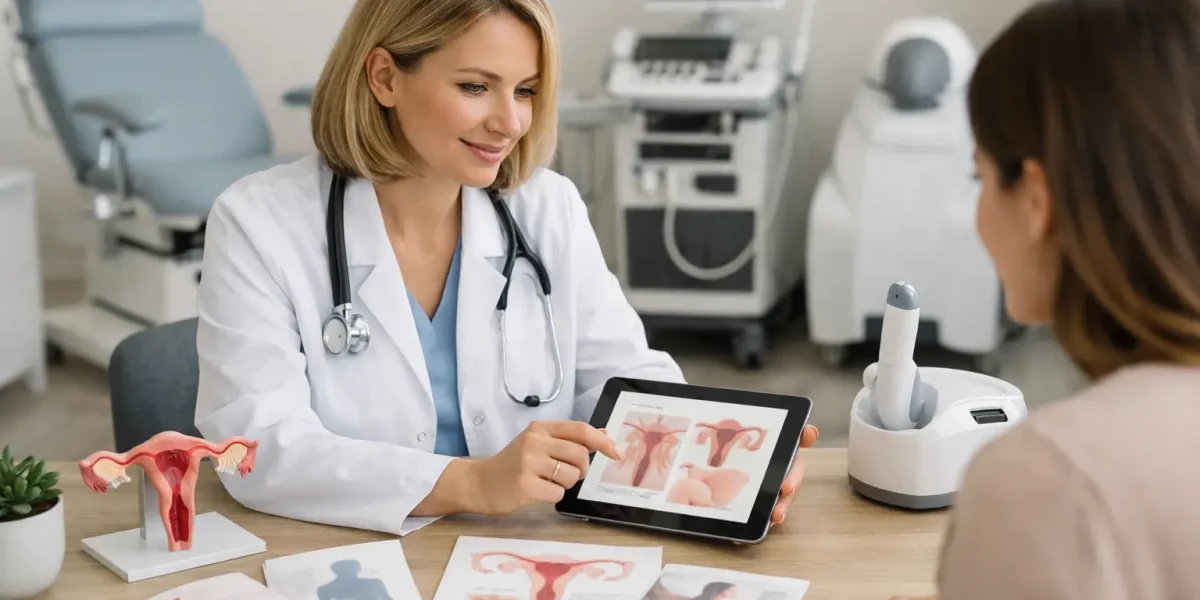
Feeling different after childbirth, menopause, weight changes, or simply the passage of time is more common than many women realize. The best vaginal tightening options are not about chasing an unrealistic standard. They are about choosing care that supports comfort, confidence, intimate wellness, and the way you want to feel in your body.
A meaningful treatment plan starts with clarity. “Tightening” can refer to vaginal laxity, reduced sensation, pelvic floor weakness, dryness, changes to the external vulvar area, or a combination of concerns. These are not all treated the same way. The right option depends on your symptoms, your anatomy, your health history, and how dramatic a change you want.
What Does Vaginal Tightening Actually Treat?
Many clients use the phrase vaginal tightening when they are noticing less support or sensation following vaginal delivery, hormonal changes, or aging. Some may experience air passing from the vagina during movement, a feeling of looseness, or reduced confidence during intimacy. Others are more concerned with dryness, irritation, or changes in the appearance of the labia and surrounding skin.
Pelvic floor weakness can also contribute to urinary leakage, pressure, or a feeling of heaviness. Those symptoms deserve a medical evaluation, especially if they are new, worsening, or affecting daily life. Aesthetic treatments can have a place in intimate wellness, but they should never replace appropriate gynecologic or pelvic floor care.
Best Vaginal Tightening Options: Start With Your Goal
There is no single “best” treatment for every woman. The strongest results come from matching the method to the concern rather than choosing a procedure based on a trend or a dramatic promise.
Pelvic Floor Physical Therapy
For women whose main concern is support, control, or mild changes in sensation, pelvic floor physical therapy is often one of the most valuable first steps. A specialized therapist assesses how the pelvic floor muscles are working and teaches you how to strengthen, relax, and coordinate them correctly.
This is more precise than doing occasional Kegels on your own. In fact, some women have pelvic floor muscles that are overly tense rather than weak, and repeated tightening exercises can make discomfort worse. A personalized plan may help improve bladder control, support, and sexual comfort without any procedure or downtime.
Results require consistency. It is not an instant correction, but it can create a powerful foundation for lasting intimate wellness.
Guided Pelvic Floor Exercises
When there is no pain, prolapse, or complex pelvic floor concern, guided at-home exercises can be a practical option. Proper technique matters: gently contract the muscles used to stop urine flow, hold briefly, then fully relax. Do not regularly practice while urinating, as that can interfere with normal bladder emptying.
Exercises are best for mild concerns and maintenance. They cannot remove excess tissue, repair significant muscle separation, or produce the same structural change as surgery. Still, they are accessible, private, and useful as part of a broader plan.
Nonsurgical Energy-Based Vaginal Rejuvenation
In-office vaginal rejuvenation treatments may use controlled energy, such as radiofrequency or laser technology, to create gentle thermal stimulation in targeted tissue. The goal is to encourage collagen remodeling and improve tissue quality over time. Depending on the treatment and the individual, women may seek this approach for mild laxity, dryness, or a more refreshed feeling in the intimate area.
The appeal is clear: treatments are typically performed without surgery, and recovery is often much shorter than a surgical procedure. Many women prefer an option that fits into real life, with little interruption to work, family, or routine.
However, this category requires a thoughtful consultation. Results vary, and not every device is intended to treat every symptom. The evidence supporting energy-based treatments continues to develop, especially for concerns such as urinary incontinence and sexual function. A responsible provider will explain what the treatment is designed to address, what it cannot promise, how many sessions may be needed, and what recovery guidance applies.
At Isa Skincare, intimate rejuvenation should always be approached as personalized aesthetic care, never a one-size-fits-all service. The goal is a treatment experience that feels discreet, informed, and aligned with your desired outcome.
Surgical Vaginal Tightening
Vaginoplasty is a surgical procedure designed to repair and tighten vaginal tissues and, in some cases, separated muscles. It can offer the most significant structural change for women with pronounced laxity after childbirth or substantial tissue changes.
Because surgery is more invasive, it also comes with more recovery, expense, and risk. Healing can take weeks, and temporary restrictions on exercise, intercourse, and certain activities are expected. Potential complications can include bleeding, infection, scarring, pain, or over-tightening. For the right candidate, surgery can be transformative. For someone with mild concerns or a preference for low downtime, it may be more treatment than necessary.
A consultation with a qualified gynecologic surgeon is essential before choosing this route.
Treatment for Dryness and Menopausal Changes
Dryness, burning, irritation, and painful intimacy are sometimes mistaken for laxity. In reality, they may be related to hormonal changes in the tissue, particularly during perimenopause and menopause.
Vaginal moisturizers and lubricants can improve day-to-day comfort and intimacy. For appropriate candidates, a licensed medical provider may discuss prescription local hormone therapy or other medical treatments. These approaches do not mechanically tighten the vagina, but they can make a substantial difference in comfort, tissue health, and confidence.
This distinction matters. The best result is not always a tighter feeling. Sometimes it is healthier, more comfortable tissue that allows you to feel like yourself again.
What to Expect From a Professional Consultation
A quality consultation should feel private, respectful, and specific to you. You should be able to explain what has changed, when you first noticed it, and what result would feel meaningful. Your provider should ask about childbirth history, menopause, pain, dryness, bladder symptoms, prior treatments, medications, and any relevant medical conditions.
Be direct about your priorities. Are you seeking mild improvement with low downtime? Do you want to improve comfort during intimacy? Are bladder symptoms part of the picture? Is your concern primarily external appearance, internal sensation, or both? Honest answers prevent you from investing in a treatment that does not match your actual goal.
A trustworthy provider will also set realistic expectations. Collagen-focused treatments tend to improve gradually as tissue responds over time. Pelvic floor therapy requires participation and practice. Surgery may produce a larger change but requires greater commitment to healing. “Permanent” and “guaranteed” are not words you should need to hear to feel confident in your decision.
How to Choose Safely
Your intimate health deserves the same level of discernment you bring to any advanced aesthetic treatment. Look for a provider with relevant training, clear hygiene and safety protocols, and a willingness to refer you to a gynecologist, urogynecologist, or pelvic floor specialist when symptoms call for medical evaluation.
Ask what technology or technique is being used, who is performing the treatment, whether you are a suitable candidate, and what side effects are possible. You should also receive clear aftercare instructions, including when it is safe to resume intimacy, exercise, swimming, or tampon use.
Avoid any provider who pressures you into treatment, dismisses pain, promises a dramatic transformation after one session, or treats urinary leakage as purely a cosmetic issue. Confidence grows faster when your care is grounded in expertise rather than hype.
The Right Choice Should Feel Like Yours
The best vaginal tightening options range from targeted pelvic floor therapy to nonsurgical rejuvenation and surgery, but the right answer is always personal. You do not need to minimize what you feel, and you do not need to accept a treatment that feels too aggressive, too vague, or wrong for your lifestyle.
Start with a conversation that respects both your goals and your health. When you choose experienced care, realistic expectations, and a plan built around your body, intimate rejuvenation can be a confident step toward feeling comfortable, feminine, and fully at home in yourself.