
A plasma skin-tightening appointment is not a treatment to squeeze in between a beach weekend and a major event. The tiny, controlled points created during treatment need time to heal beautifully. Knowing how to prepare for plasma therapy helps protect your comfort, support a cleaner recovery, and give your skin the best conditions to reveal its progressive tightening results.
For clients seeking an alternative to more invasive facial procedures, preparation is part of the investment. The goal is simple: arrive with calm, healthy skin, a clear understanding of your aftercare plan, and enough room in your calendar for your skin to recover without pressure.
First, Know What Type of Plasma Therapy You Are Receiving
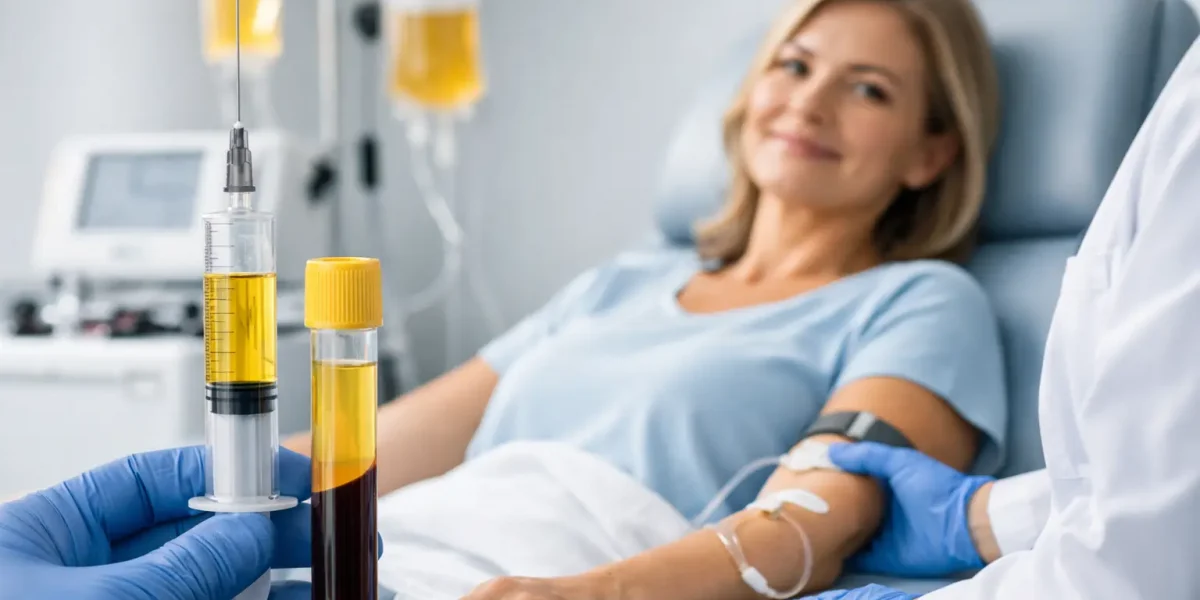
The phrase “plasma therapy” can describe different treatments. Some people use it to refer to platelet-rich plasma, often called PRP, which uses a sample of your own blood. At Isa Skincare, Avatar Skin Lift Therapy refers to a plasma-based soft-surgery approach that creates controlled micro-injuries on the skin’s surface to support collagen stimulation, tightening, and skin renewal.
Preparation depends on the procedure, the treatment area, your health history, and whether your provider is treating delicate areas such as the eyelids, around the mouth, or the neck. Never rely on a generic online checklist alone. Your consultation and pre-treatment instructions should always lead the way.
How to Prepare for Plasma Therapy Before Your Appointment
Start preparing at least one to two weeks before your appointment whenever possible. This is the time to reduce anything that may irritate the skin, increase sensitivity, or make healing less predictable.
Share a complete health history
Be open about your medical history, skin conditions, current medications, supplements, allergies, and previous aesthetic treatments. This is not a formality. Your provider needs this information to determine whether plasma skin tightening is appropriate for you and how to tailor treatment safely.
Let them know if you have a history of cold sores, keloid scarring, delayed wound healing, pigmentation changes, autoimmune conditions, diabetes, or active skin infections. Also disclose if you are pregnant, nursing, taking blood-thinning medication, or using prescription acne treatments. In some cases, treatment may need to be postponed or your provider may ask for clearance from your physician.
Honesty creates a better plan. Beautiful results begin with the right candidate, not with rushing into treatment.
Pause skin-irritating products when instructed
Your treatment area should be healthy, intact, and free from active irritation. Many clients are asked to pause retinoids, exfoliating acids, strong scrubs, and other potentially sensitizing products for several days before treatment. The exact timeline varies, especially if you use prescription skincare.
Do not stop prescribed medication without speaking with the clinician who prescribed it. Instead, ask your plasma therapy provider what you use at home, then follow the guidance that is appropriate for your skin and medical needs.
Avoid waxing, depilatory creams, aggressive facials, microneedling, chemical peels, laser treatments, and other resurfacing procedures near the treatment area in the lead-up to your appointment unless your provider specifically approves them. Skin that is already inflamed does not need another challenge.
Protect your skin from sun exposure
A tan, sunburn, or irritated complexion can complicate both treatment planning and recovery. For at least two weeks before your session, be intentional about sun protection. Wear broad-spectrum sunscreen daily, use a hat when you are outdoors, and skip tanning beds entirely.
This matters even more if you are prone to hyperpigmentation. Plasma treatment creates a controlled healing response, and excessive UV exposure before or after treatment can increase the chance of unwanted discoloration. Your provider may recommend a specialized prep routine based on your skin tone and history.
Ask about medications, alcohol, and supplements
Some medications and supplements can affect bruising, bleeding, inflammation, or healing. Your provider may ask you to avoid certain nonessential supplements or anti-inflammatory medications before treatment, but timing should be individualized. Never discontinue a prescription medication simply because it appears on an online pre-treatment list.
It is also wise to avoid alcohol for at least 24 to 48 hours before your appointment if your provider recommends it. Alcohol can contribute to dehydration and may increase facial flushing or swelling for some clients. Arrive well-hydrated, eat a balanced meal, and do not come in on an empty stomach unless you have been given specific instructions to do so.
Prepare Your Calendar, Not Just Your Skin
Plasma skin tightening is known for visible, progressive improvement, but the first stage of healing is not your final result. After treatment, small carbon crusts or dots may be visible in the treated area. Swelling, redness, and tenderness can also occur, especially around the eyes.
Plan your appointment around real life. Do not schedule plasma therapy immediately before a wedding, vacation, photoshoot, work presentation, or any event where you expect to wear makeup right away. While many clients experience a relatively fast recovery compared with surgical procedures, healing is personal and cannot be rushed.
Give yourself several days of social downtime at minimum, and more if your treatment is extensive or in a highly visible area. Your provider can offer a realistic timeline based on your selected procedure, but it is better to leave room for recovery than to feel pressured to hide it.
Arrange a quiet schedule for the day of treatment. If you are treating the eye area or anticipate swelling, consider having someone drive you home or stay available. Wear comfortable clothing and avoid planning strenuous workouts, heat exposure, or long outdoor activities afterward.
What to Do the Night Before and Morning Of
The night before, keep your skincare routine gentle. Cleanse, moisturize if your provider has approved it, and resist the urge to try a new serum, mask, or exfoliant. New products can trigger a reaction at exactly the wrong time.
On the morning of your treatment, arrive with clean skin. Unless your provider tells you otherwise, do not wear makeup, self-tanner, heavy moisturizer, sunscreen, or skincare products on the treatment area. Clean skin gives your practitioner a clear view of your natural texture, pigmentation, and facial structure.
Wear clothing that is easy to change in and out of without rubbing against your face or neck. Bring a hat or sunglasses for the trip home if appropriate, but make sure they will not press on a freshly treated area. If you use contact lenses and are having treatment close to the eyes, ask in advance whether you should wear glasses instead.
Come prepared to listen as closely as you did during your consultation. Your provider will explain what to expect during treatment, review aftercare, and confirm that nothing in your health or skincare routine has changed.
Set Up Your Recovery Space Before You Leave Home
The best aftercare is easier when you have everything ready before your appointment. Create a clean, low-stress recovery setup with fresh pillowcases, gentle approved cleanser, and the specific aftercare products recommended by your practitioner.
You may also want a cold compress available for swelling, but only use it as directed. Do not place ice directly on treated skin, and do not apply random healing creams, antibiotic ointments, essential oils, or home remedies. Plasma-treated skin requires thoughtful care, not product overload.
Your aftercare instructions may include keeping the area dry for a period of time, avoiding makeup until the skin has healed, protecting the area from sun, and allowing the carbon crusts to shed naturally. Picking, scratching, or exfoliating the dots can increase the risk of scarring and pigmentation changes. This is one of the most important rules of recovery.
Sleep with your head elevated if advised, particularly after treatments around the eyes. Avoid hot showers, saunas, steam rooms, swimming pools, and intense exercise for the period your provider recommends. Heat and sweat can aggravate swelling and interfere with the early healing process.
Prepare for Results That Continue to Build
One reason women choose plasma skin tightening is that it can offer an immediate appearance of lift while collagen remodeling continues over the following weeks and months. The trade-off is patience. Your skin needs time to move through the healing process, and results vary with age, skin quality, lifestyle, treatment area, and the extent of laxity being addressed.
A thoughtful treatment plan may include more than one session, depending on your goals. During your consultation, be direct about what you want to improve: hooded-looking eyelids, fine lines around the mouth, crepey skin, uneven texture, or a loss of facial definition. Clear goals help your provider recommend the most strategic approach rather than overtreating an area.
The strongest preparation is not a complicated ritual. It is choosing an experienced provider, following personalized instructions, protecting your healing time, and letting your skin do what it was designed to do: renew itself with expert support.