
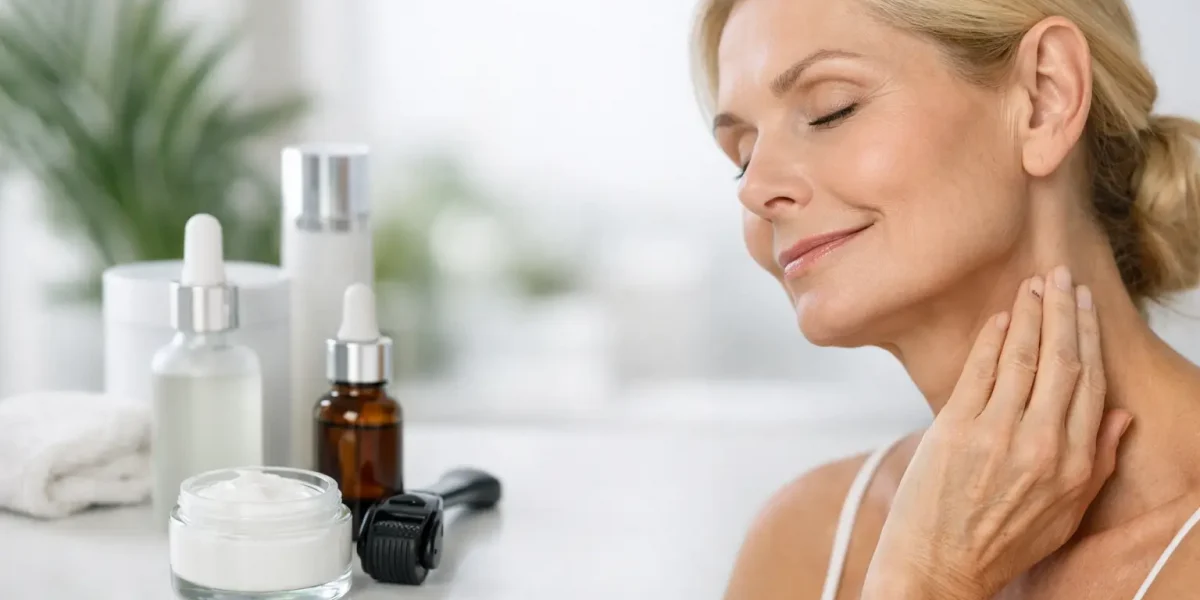
Crepey skin usually shows up where you least want it – under the eyes, along the cheeks, above the knees, on the neck, or across the chest. If you are looking for the best treatment for crepey skin, the real answer is not one miracle cream or one trendy device. It depends on how advanced the crepiness is, how much laxity you have, and whether you want a temporary improvement or a result that keeps building over time.
Crepey skin is different from a standard wrinkle. It has that thin, finely folded texture that can make skin look loose, tired, and older than you feel. It often comes from collagen loss, sun exposure, dehydration, and the natural slowdown of skin renewal with age. Weight loss, hormonal changes, and genetics can make it more obvious.
What is the best treatment for crepey skin?
If you want the most meaningful improvement, the best treatment for crepey skin is usually one that stimulates new collagen while tightening the skin at the same time. That is why energy-based treatments tend to outperform basic topical products when skin has already started to look thin and wrinkled.
Creams can help support the skin. Advanced procedures can change the structure underneath it.
That distinction matters. If your skin is only mildly dry and textured, skincare may be enough to smooth things out. If your skin folds easily, looks paper-thin, or has visible laxity, you will usually need a treatment that reaches deeper than the surface.
Why crepey skin is hard to treat with products alone
A good skincare routine still has value. Retinoids can support cell turnover. Peptides and growth-factor-based formulas may help improve skin quality. Rich moisturizers can make crepey skin look less obvious because better hydration plumps the surface. Daily sunscreen is essential because UV damage is one of the biggest drivers of collagen breakdown.
But products have limits. They work best when crepiness is early and mild. They do not physically tighten loose skin in the way a collagen-stimulating treatment can. That is why many women spend months rotating expensive jars and serums, only to see modest changes at best.
If you want visible improvement, treatment selection matters more than product hype.
The treatments that actually make a difference
When clients ask what works, the strongest options usually fall into a few categories: collagen-stimulating resurfacing, skin-tightening energy treatments, injectables in selected cases, and surgery for severe laxity. Each has a place. None is right for everyone.
Plasma skin tightening for crepey skin
For many areas of facial and body crepiness, plasma-based skin tightening stands out because it targets both texture and laxity. It creates controlled micro-injuries that trigger healing, collagen production, and contraction in the skin. That means you are not only smoothing the surface. You are encouraging the skin to rebuild itself and tighten as it heals.
This is where advanced treatments like Avatar Skin Lift Therapy can be especially appealing for women who want visible rejuvenation without injections or surgical scarring. The benefit is not just what you see right away. Improvement continues as collagen develops over the following weeks and months.
This type of treatment tends to be especially attractive for the delicate areas where crepey skin is most frustrating, including around the eyes, the neck, and parts of the lower face. It can also appeal to women who want a stronger result than facials or peels but are not ready for surgery.
The trade-off is that healing matters. You need proper aftercare, realistic expectations, and an experienced provider who understands skin behavior, not just machine settings.
Radiofrequency and ultrasound treatments
Radiofrequency and ultrasound-based treatments are commonly used to firm mild to moderate laxity. They work by heating deeper tissue to stimulate collagen remodeling. The biggest advantage is that they often involve less visible downtime than more intensive resurfacing methods.
The downside is that results can be subtle, especially if the skin is already significantly crepey. Some clients love the gradual improvement. Others feel underwhelmed because they expected a dramatic lift. These treatments can be useful, but they are often best for early signs of laxity or for maintenance.
Fractional laser resurfacing
Laser resurfacing can improve texture, sun damage, and fine wrinkling. For certain clients, it is a strong option for crepey skin because it renews the surface while stimulating collagen below. If your crepiness is tied closely to sun damage and textural roughness, laser may give a very polished result.
Still, not every skin tone or lifestyle is an ideal match. Recovery can be more involved, and post-treatment care is critical. Some clients also need a series of sessions for the level of correction they want.
Biostimulatory injectables and strategic fillers
Injectables are not usually the first answer people think of for crepey skin, but they can help in the right case. Biostimulatory products can encourage collagen production, while fillers may improve support in areas where volume loss is making crepiness worse.
This approach is highly technique-dependent. Too much filler in thin skin can look unnatural. Used well, injectables can complement skin-tightening treatments. Used poorly, they can miss the real issue.
Surgery for severe skin laxity
If the skin is very loose, especially on the neck, jawline, or body, surgery may be the most effective option. It provides the strongest correction for excess skin. But it also comes with higher cost, more recovery, and a very different decision-making process.
For many women, the goal is to find something between skincare and surgery. That is exactly why advanced non-surgical tightening treatments have become so popular.
How to choose the best treatment for crepey skin for your stage of aging
The best treatment is not just about the device. It is about matching the treatment to the condition of your skin.
If your crepey skin is mild, especially if it appears more obvious when your skin is dry, start with a disciplined routine built around sunscreen, retinoids, and barrier-repair hydration. You may not need an aggressive procedure yet.
If your skin has moderate texture and early laxity, collagen-stimulating treatments like plasma tightening, radiofrequency, or laser are usually where you start seeing more serious change.
If the crepiness is paired with sagging, hollowness, or obvious skin redundancy, combination treatment may be the smartest move. That might mean tightening first, then adding support with other modalities if needed.
This is where expert evaluation matters. Crepey skin can look similar from person to person, but the reason behind it is not always the same. One client needs lift. Another needs resurfacing. Another needs volume support. The right plan is custom, not copied from a social post.
What to expect from treatment results
The biggest mistake people make is expecting every treatment to work like surgery or every cream to work like a procedure. Real skin rejuvenation is a process.
With strong collagen-stimulating treatments, you may see some immediate tightening, but the more exciting improvement happens over time. As collagen rebuilds, the skin can become firmer, smoother, and more refined. That progressive change is what makes these treatments worth considering for women who want results that look natural instead of overdone.
Your results will also depend on the area being treated. The thin skin around the eyes behaves differently than the neck. Body skin may need a different strategy than facial skin. Lifestyle matters too. Smoking, sun exposure, poor sleep, and inconsistent skincare will work against any treatment you choose.
What helps protect your results
Once you improve crepey skin, maintenance becomes part of the plan. Daily sun protection is non-negotiable. Retinoids, peptides, and hydration help support the skin between treatments. Regular follow-up sessions, when recommended, can help you stay ahead of collagen loss instead of chasing it later.
The women who get the best outcomes usually do not treat skincare and professional treatment as opposites. They use both. In-office procedures create structural change. Home care protects the investment.
If you have been frustrated by products that promise lift and deliver very little, that frustration is valid. Crepey skin is a structural issue as much as a cosmetic one. The best treatment for crepey skin is usually the one that rebuilds collagen, tightens laxity, and fits your skin’s actual needs instead of selling you a one-size-fits-all fix.
When you choose a treatment with enough power to create change, and an expert with enough experience to use it well, smoother, firmer-looking skin stops feeling out of reach and starts feeling like the next smart step.