
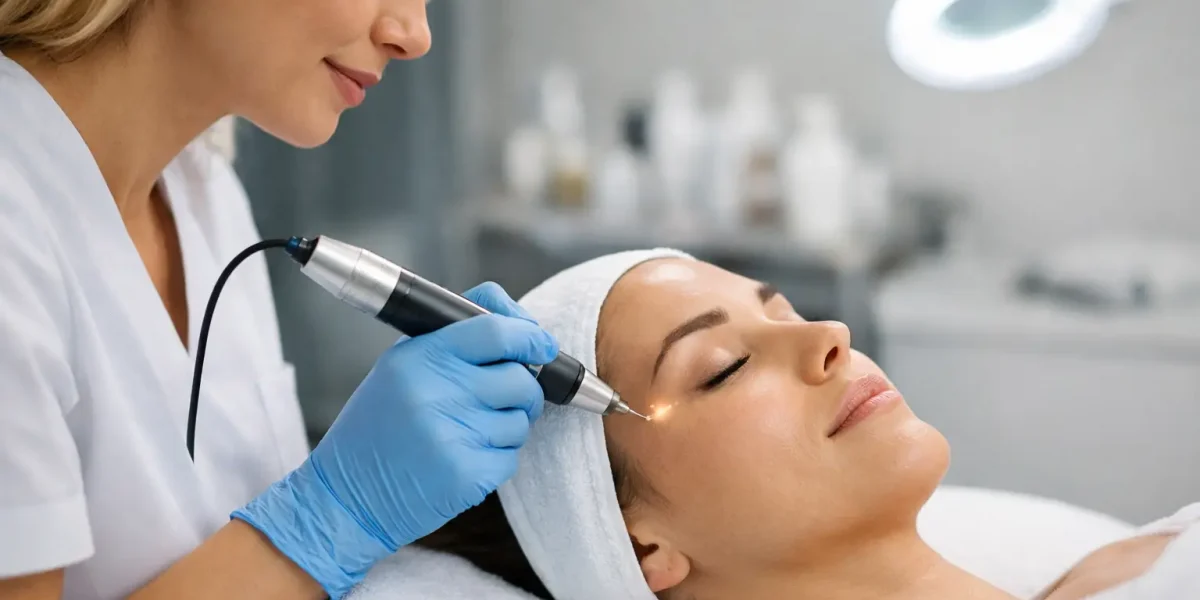
A plasma device is not a shortcut to advanced results. In skilled hands, plasma-based skin tightening can support visible improvement in fine lines, laxity, texture, and selected areas of facial asymmetry. In unprepared hands, it can create unnecessary risk. That is why the question, can aestheticians learn plasma techniques, deserves a clear answer: yes, many can pursue training, but training alone does not automatically make a treatment legal, appropriate, or safe to perform.
For the beauty professional who wants to offer more than a basic facial, plasma education can be a powerful next step. It demands technical discipline, a deep respect for skin biology, careful client selection, and a commitment to working within the laws of the state or country where you practice.
Can Aestheticians Learn Plasma Techniques? Yes, With the Right Foundation
Aestheticians already bring valuable skills into advanced education. They understand skin types, sanitation, contraindications, consultation, post-treatment care, and the importance of managing client expectations. Those fundamentals matter because plasma treatments are not simply about creating tiny treatment points on the skin. They require strategic placement, controlled technique, and thoughtful aftercare to support a beautiful healing process.
That said, plasma training should never be treated as a casual add-on. Depending on the device and technique, plasma may be marketed as plasma fibroblast therapy, plasma pen treatment, soft surgery, or plasma skin tightening. The terminology varies, but the responsibility stays the same. A practitioner must understand what the device does, how heat affects tissue, how to recognize an unsuitable candidate, and when to refer a client to a medical professional.
A strong course should teach more than device operation. It should explain the science behind controlled thermal stimulation and the collagen response that can continue developing over time. It should also cover the limits of treatment. Plasma is not a replacement for surgery in every case, and it is not the right answer for every concern.
Your License and Scope Come Before Any Certificate
The most important answer is local. A certificate from a private training program does not override state licensing rules, medical-board guidance, health-department requirements, insurance restrictions, or device regulations.
In some locations, an aesthetician may be allowed to perform certain noninvasive cosmetic services with appropriate education. In others, plasma procedures may be restricted to medical professionals, require physician oversight, or fall outside an aesthetician’s scope altogether. Requirements can also change based on whether the treatment intentionally disrupts the skin, the type of device used, and how the service is advertised.
Before adding plasma to a menu, contact the relevant state licensing board and review your professional liability coverage. Ask direct questions: Is this procedure within my license? Is medical direction required? Does my insurer cover this exact service and device? What documentation and sanitation standards apply?
Do not rely on social media claims, a competitor’s menu, or a trainer’s verbal reassurance. A responsible advanced practitioner verifies the rules for herself. Protecting your license protects the career you have worked hard to build.
What Quality Plasma Training Should Include
The best plasma education combines theory, hands-on practice, and ongoing mentorship. Watching a demonstration is not enough. You need to understand why an experienced educator selects a particular setting, treatment pattern, or healing protocol for one client and not another.
Look for instruction that covers skin anatomy, wound-healing stages, Fitzpatrick skin typing, pigmentation risk, contraindications, treatment mapping, infection prevention, informed consent, and realistic recovery expectations. You should also be taught how to document every service with photographs, settings, treatment notes, and aftercare instructions.
Hands-on guidance matters because technique affects outcomes. Too much energy, poor spacing, excessive passes, or treating an inappropriate area can increase the chance of prolonged redness, scarring, pigment changes, or uneven results. A high-quality educator corrects your hand position, pacing, point placement, and client communication before you work independently.
At Isa Skincare, professional education is built around the belief that advanced results come from practiced technique, not guesswork. A signature method should give practitioners a system for assessment, treatment planning, and aftercare rather than a one-size-fits-all protocol.
Skin Assessment Is Where Safe Results Begin
Clients usually arrive focused on a concern: hooded lids, smoker’s lines, crepey skin, acne scarring, loose neck skin, or a facial feature they want refined. Your responsibility is to assess the whole picture before promising a result.
A thorough consultation should explore health history, current medications, previous cosmetic procedures, tendency toward hyperpigmentation or keloid scarring, active skin conditions, recent sun exposure, and the client’s ability to follow aftercare. Certain clients should postpone treatment or be referred out, including those with active infections, uncontrolled medical conditions, suspicious lesions, or healing concerns that require medical evaluation.
Fitzpatrick skin type requires special attention. Deeper skin tones can be beautiful candidates for advanced aesthetic treatments, but they may carry a higher risk of post-inflammatory hyperpigmentation with certain thermal procedures. That does not mean an automatic no. It means your assessment, settings, technique, pre-treatment preparation, and post-treatment plan must be especially intentional.
The most confident practitioner is not the one who says yes to every booking. She is the one who knows when a treatment is appropriate, when to modify the plan, and when to say no.
Set Expectations for Healing, Not Just the Lift
Clients are often drawn to plasma because they want a non-surgical route to firmer, smoother-looking skin with less downtime than traditional surgery. That benefit is real for the right candidate, but low downtime does not mean no downtime.
Depending on the area and technique, clients may experience swelling, redness, tenderness, small crusts, and temporary changes in texture during healing. They need precise aftercare instructions, including how to keep the area clean, avoid picking, limit sun exposure, and recognize signs that require prompt medical attention. They also need to understand that collagen remodeling is progressive. Some visual change may be noticeable early, while the skin continues to improve over the following weeks and months.
Avoid promising a specific result. A consultation should feel empowering, not pressured. Show clients what the treatment is designed to improve, explain its limits, and discuss whether their goals are better served by plasma, another skin rejuvenation service, or a medical or surgical referral.
Build Your Skill Before You Build Your Menu
After training, start thoughtfully. Practice on carefully screened model clients when permitted, document your work consistently, and keep your treatment offerings focused on the areas and concerns you have been trained to address. Do not expand into every trending plasma application because clients are asking for it.
Your reputation will be built on more than dramatic before-and-after images. It will be built on clean technique, honest consultations, beautiful healing, consistent follow-up, and clients who feel safe in your care. Advanced treatments can elevate an aesthetic career, but only when the practitioner treats education as an ongoing standard rather than a one-time event.
If plasma techniques align with your licensing scope and professional goals, choose training that challenges you to become more precise, more informed, and more selective. The right education does more than help you offer a new service. It gives you the confidence to create results your clients can see and trust.