
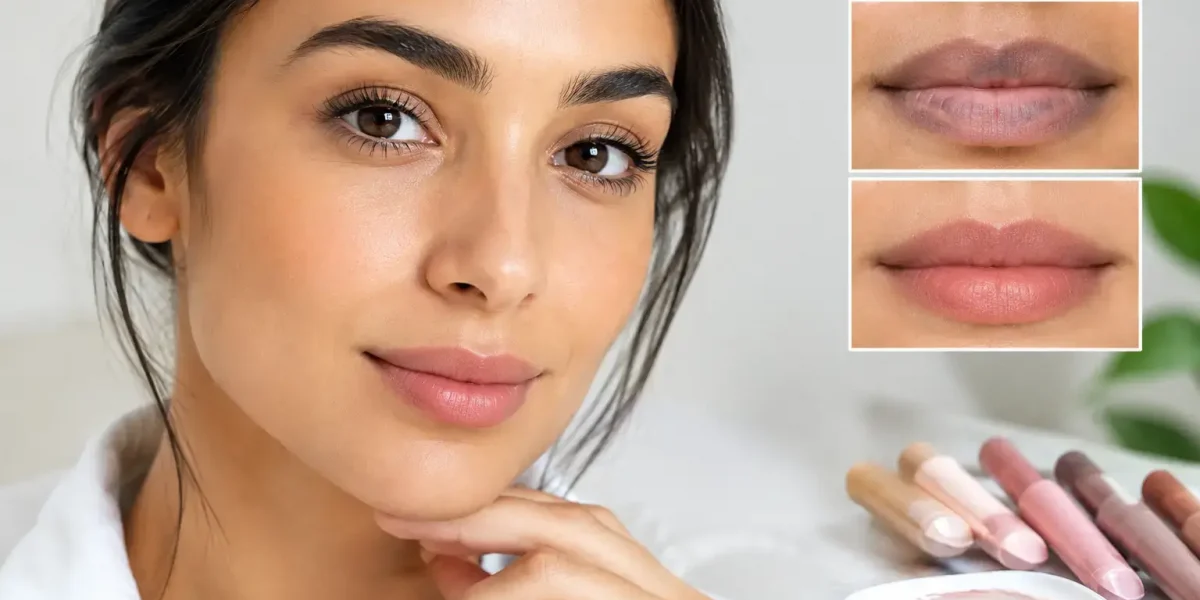
Dark lips do not need to be erased to look beautifully balanced. The best options for lip neutralization work with your natural lip tone, correct unwanted coolness or darkness, and create a softer, healthier-looking base for lip color that feels like you.
For many women, lip neutralization is the difference between lipstick that looks muted or uneven and a mouth that already appears polished before any makeup is applied. It is a highly customized permanent makeup process, not a one-color service. The right approach depends on your undertone, the depth of pigment in the lips, your skin tone, and the finish you want to see when the color heals.
What Lip Neutralization Is Designed to Correct
Lip neutralization is a form of cosmetic tattooing created for lips with brown, purple, blue, gray, or deeply cool undertones. Rather than placing a pink or nude shade directly over a dark lip, the artist first uses strategic warm pigments to balance the underlying tone.
Think of it as color correction for the lips. When cool or dark tones are corrected first, the final color can heal more evenly and look brighter, softer, and more natural. Skipping this stage can leave the lips looking ashy, gray, patchy, or much cooler than expected.
A skilled permanent makeup artist assesses more than surface color. They look at the lip’s natural melanin, whether the border is darker than the center, how much contrast exists between the lips and surrounding skin, and how the client’s skin typically heals. This is why two people who request the same “soft pink” can need completely different pigment formulas.
Best Options for Lip Neutralization by Starting Tone
The best option is never simply the trendiest shade. It is the correction method that gives your lips the most believable, flattering result after healing.
Warm Color Correction for Purple or Blue Undertones
Lips with purple, blue, or gray undertones often benefit from warm correctors in peach, orange, coral, or warm red families. These pigments counteract coolness and help bring the lip closer to a balanced, healthy tone.
The exact warmth matters. A lighter lip may need a soft peach correction, while deeper lips may require a more concentrated orange or red-orange approach. The goal is not to make the lips look orange. The warmth is placed intentionally so that, once healed, it neutralizes the cool cast rather than sitting visibly on top of it.
This option is especially valuable for clients whose lips appear darker around the outer edge or who find that pale lipsticks turn gray after a few hours of wear.
Neutralization Followed by Lip Blush
For many clients, the strongest plan is a two-stage approach: neutralization first, followed by a lip blush session after the lips have healed. The first appointment focuses on correcting the underlying tone. The second builds the desired cosmetic color, whether that is a refined nude, rosy pink, soft berry, or warm mauve.
This approach requires patience, but it offers the most control. Trying to correct darkness and achieve a bright final shade in one session can overwhelm the lips and create unrealistic expectations. Healthy healing and color stability matter more than rushing the process.
A lip blush finish can enhance the natural shape of the lips, create a more even appearance, and reduce the daily need to layer lipstick or liner. It should still look like your lips, only more defined and alive.
Targeted Border Correction
Some lips are naturally lighter in the center with a noticeably dark outline. Others have uneven areas from sun exposure, past trauma, pigmentation changes, or previous lip tattooing. In these cases, targeted neutralization may be more appropriate than treating every area exactly the same.
An experienced artist can adjust pigment placement and saturation across the lip rather than using a uniform application. This prevents the center from becoming too bright while giving darker borders the correction they need. It is a detail-driven technique, and it can make a major difference in how natural the finished result appears.
Correction of Old or Unwanted Lip Tattooing
Previous permanent makeup can complicate lip neutralization, particularly if it healed too cool, dark, saturated, or uneven. A new procedure may be possible, but the artist must first assess what is already in the skin.
Sometimes warm correction can improve the existing result. In other cases, saline removal, laser removal, or fading time may be recommended before new pigment is applied. Covering an old, cool tattoo with a light nude pigment is rarely the answer. The original color can continue to influence the healed result, so the plan must be built around what is actually present in the lip tissue.
When Skincare Is Helpful, but Not a Substitute
Lip care supports a beautiful treatment result, but it does not neutralize melanin in the same way permanent makeup color correction does. Hydration, gentle exfoliation when appropriate, sun protection around the mouth, and avoiding habitual lip licking can improve texture and make lips look healthier.
If the concern is dryness, flaking, or temporary dullness, a focused lip-care routine may be all that is needed. If the concern is a stable brown, purple, gray, or blue undertone, topical products generally cannot provide the controlled color correction that a customized neutralization procedure can.
Be careful with products marketed as lip lighteners or bleaching treatments. The lip area is delicate, and irritation can trigger more discoloration in some skin tones. A professional consultation is the smarter starting point when pigmentation is the main concern.
What Determines Whether You Need One Session or More
One of the most common questions is whether lip neutralization can be completed in a single visit. Sometimes it can produce a meaningful improvement in one appointment, especially on mild coolness or unevenness. But deeper pigmentation often needs two or more sessions to build correction gradually and protect the integrity of the skin.
Several factors influence the treatment plan:
- The depth and distribution of natural lip pigmentation
- The presence of old permanent makeup
- The desired healed shade
- How your lips retain pigment during healing
- Whether you have a history of cold sores or skin sensitivity
A touch-up is not a sign that the first appointment failed. It is a normal part of achieving a refined, even result. Freshly treated lips also look stronger and brighter than their healed color. As they recover, pigment softens, settles, and reveals its true tone over the following weeks.
Choosing the Right Artist Matters More Than Choosing a Trend
Lip neutralization is technical work. A beautiful result depends on color theory, correct needle depth, high-quality pigments, skin assessment, and a conservative hand. The wrong formula can heal too cool. Too much saturation can look heavy. Working too aggressively can compromise healing and color retention.
Choose a provider who can explain why a particular correction color is being selected for your lips, not just show you a menu of fashionable shades. Ask to see healed results on clients with similar lip depth and undertones. Fresh photos are exciting, but healed work reveals the artist’s true understanding of pigment behavior.
At Isa Skincare, the focus is on customized enhancement that respects your features rather than forcing a one-size-fits-all color onto every client. The most confident results come from a plan designed around your natural beauty, your lifestyle, and realistic healing expectations.
Preparing for a Better Lip Neutralization Result
Arrive with lips that are healthy, moisturized, and free from active irritation. Avoid picking, aggressive exfoliation, or experimenting with strong new products right before the appointment. If you are prone to cold sores, discuss preventive medication with your medical provider before scheduling, since lip procedures can trigger an outbreak in susceptible clients.
During your consultation, be open about previous lip tattooing, fillers, allergies, medications, and any history of healing concerns. These details help shape a safer plan and a more predictable outcome. The best permanent makeup appointment feels personal because it is personal.
Beautiful neutralization does not mean changing your lips into someone else’s. It means giving your natural color a balanced, polished foundation so you can wake up looking fresher, choose lipstick because you want to, and feel confident showing your smile exactly as it is.