
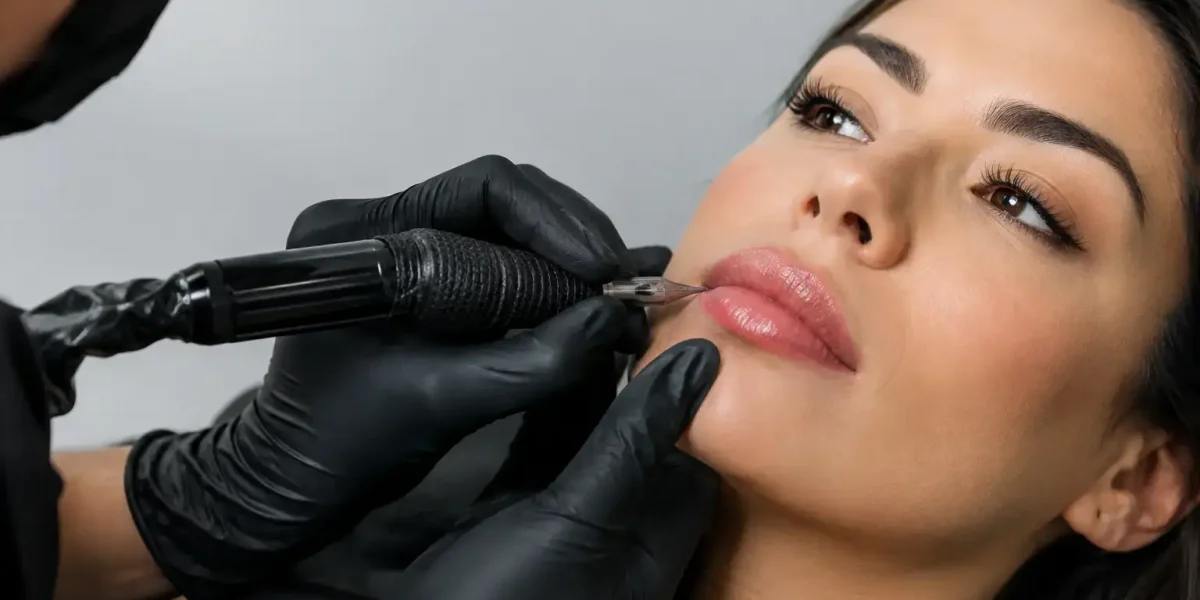
A soft, even lip tint can make you look polished before coffee, meetings, or a night out. But before booking permanent lip color, most clients ask the same direct question: are lip tattoos painful? The honest answer is that there is sensation, but for most people, it is very manageable with proper numbing, skilled technique, and realistic expectations.
Lip tattooing, often called lip blush or permanent lip color, is not meant to be an endurance test. It is a detailed cosmetic procedure designed to enhance your natural tone, improve definition, and create the look of healthier, more balanced lips. Your comfort matters just as much as your final color.
Are Lip Tattoos Painful During the Procedure?
Most clients describe lip tattooing as uncomfortable rather than intensely painful. Before pigment is placed, a topical numbing cream is applied to reduce sensation. Once the treatment begins, your artist can usually apply a secondary numbing product as needed to keep you comfortable throughout the appointment.
The feeling varies. Some clients notice a light scratching or vibrating sensation, while others feel mild pressure in certain areas of the lips. The outer edges and cupid’s bow can feel more sensitive because the skin is thinner and the artist is working close to delicate contours. Even so, the experience is commonly rated as low to moderate discomfort rather than sharp pain.
A professional artist does not rush the process. Careful mapping, controlled pigment placement, and regular comfort checks make a meaningful difference. If you have had cosmetic tattooing on the brows, many clients find lip blush more noticeable, but still very tolerable because of the numbing process.
Why the Lips Feel Sensitive
Your lips have a high concentration of nerve endings, and their skin is thinner than the skin on much of the face. That is why they can feel tender when chapped, sunburned, or even exposed to cold weather. During a lip tattoo, the skin is being gently worked in layers to deposit pigment, so sensitivity is expected.
Pain tolerance also depends on the person. Your cycle, stress level, sleep quality, hydration, and anxiety can all influence how strongly you experience sensation. A client who arrives rested, hydrated, and relaxed may have a very different appointment from someone who skipped meals, had multiple coffees, and is already feeling tense.
This is why an experienced practitioner will ask about your health history, previous cosmetic tattoo experiences, allergies, and current skincare or medications before moving forward. Good preparation supports both comfort and a better healed result.
What Can Make a Lip Tattoo Feel More Uncomfortable?
Certain factors can make the appointment feel more intense than it needs to. Avoiding them helps you arrive in the best possible condition for treatment.
Caffeine, alcohol, and blood-thinning medications or supplements may increase sensitivity and bleeding. Do not stop prescribed medication without first speaking with your medical provider, but do disclose everything you are taking during your consultation. Your artist can provide personalized pre-care guidance.
Dry, cracked lips can also make the procedure less comfortable and may affect how evenly pigment heals. Begin moisturizing your lips consistently in the days before your appointment. If you are prone to cold sores, tell your provider well ahead of time. Lip tattooing can trigger an outbreak in susceptible clients, and a medical professional may recommend preventative antiviral medication.
Schedule thoughtfully as well. If possible, avoid booking when you are ill, severely stressed, or menstruating if you know your sensitivity rises at that time. These details are small, but they can improve the entire experience.
What Does Lip Blush Feel Like Afterward?
For many clients, the post-treatment tenderness is more noticeable than the procedure itself. Once the numbing wears off, your lips may feel warm, tight, dry, or mildly swollen. Think of the sensation as similar to having very chapped lips or a mild sunburn.
Swelling is normal immediately after treatment and usually settles quickly, often within 24 to 48 hours. The color will also look brighter and deeper at first. This is not your final shade. As your lips heal, the surface may flake lightly and the color can appear softer or even temporarily faded before it settles back in.
Do not pick, scrub, or peel flaking skin. Let your lips heal naturally, follow the aftercare provided by your artist, and use only approved products on the treated area. Pulling at healing skin can remove pigment unevenly and compromise the smooth, refined finish you came in for.
Pain Management Starts With the Right Artist
The question is not only whether lip tattoos hurt. It is also who is performing the treatment, what products they use, and how carefully they approach your individual lips. Permanent makeup is a precision service. Technique, sanitation, pigment knowledge, and an eye for natural facial balance all matter.
A qualified artist should explain the process clearly before starting. You should understand the intended color family, the possibility of more than one session, the healing timeline, and the aftercare requirements. They should also be honest about when treatment needs to be postponed, such as during an active cold sore outbreak, irritation, illness, pregnancy concerns, or certain medical conditions.
At Isa Skincare, permanent makeup is approached as a confidence-enhancing treatment, not a one-size-fits-all trend. The most beautiful lip blush result respects your natural lip shape and undertone while giving you the polished color and definition that makeup alone may not deliver every day.
How to Prepare for a More Comfortable Appointment
The best appointments begin before you sit in the treatment chair. Drink water, eat a balanced meal, and arrive with clean lips free of heavy balm, lipstick, or gloss unless your artist instructs otherwise. Bring reference photos if you have a color direction in mind, but stay open to professional recommendations based on your natural lip tone.
Plan for a quiet evening afterward. You may not want to wear lipstick, kiss, eat messy foods, or expose your lips to heat right away. Give yourself room to follow aftercare without rushing back into a demanding schedule.
It is also wise to plan for the healing stage emotionally. Your lips may look more vivid than expected on day one, then lighter during the flaking phase. This progression is normal. Final color develops gradually, and a perfecting session may be recommended once the lips have fully healed.
Is the Result Worth the Temporary Discomfort?
For the right client, absolutely. Permanent lip color can restore the appearance of lost definition, balance pale or uneven tone, and create a fresh, healthy-looking tint without daily liner and lipstick. It can be especially rewarding for women who want to wake up looking more put together while still looking like themselves.
That said, lip blush is not about changing your face into someone else’s. The strongest results are soft, tailored, and believable. They enhance your natural beauty while reducing the time and effort required to feel polished.
If you are nervous about pain, say so before your appointment. A trusted permanent makeup artist will welcome the conversation, explain every step, and help you decide whether this treatment fits your comfort level. Confidence starts with feeling informed, cared for, and excited about the woman you see in the mirror afterward.