
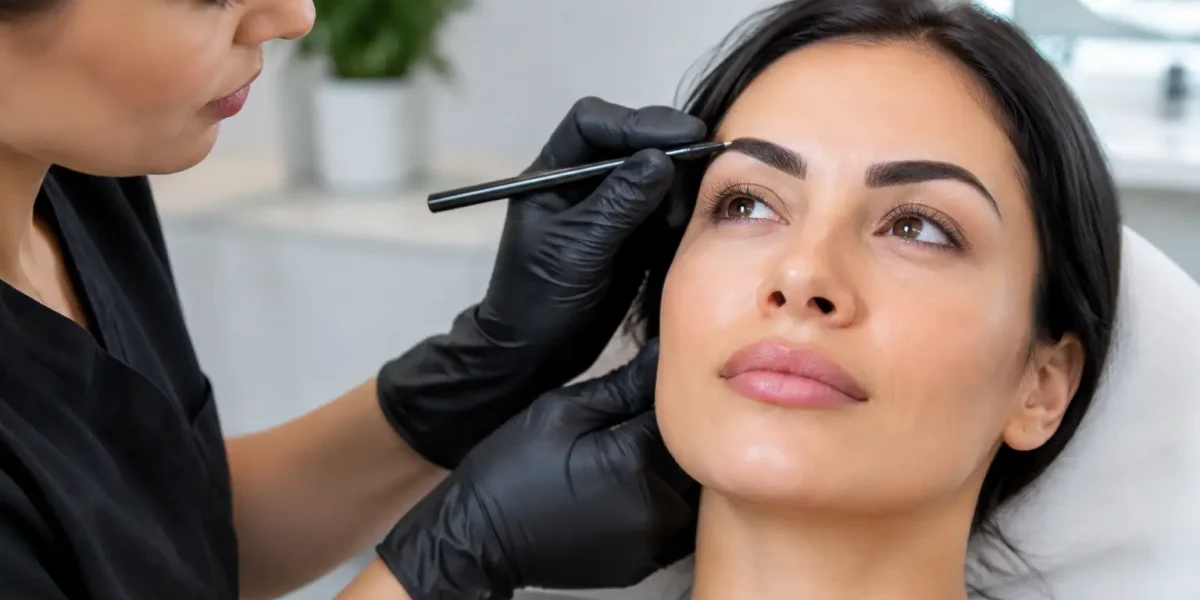
A brow tattoo that healed too dark, lips that have shifted to an unwanted tone, or eyeliner that no longer suits your features can feel far more noticeable than it did on treatment day. Cosmetic tattoo correction is the professional process of improving, neutralizing, lightening, reshaping, or removing permanent makeup with a plan built around your skin, existing pigment, and desired result.
The right correction is never a one-size-fits-all cover-up. Permanent makeup sits within the skin, changes as it heals, and can evolve over the years. A skilled assessment looks beyond what is visible at first glance to decide whether the best next step is color correction, strategic shaping, fading, removal, or simply allowing the area more time to heal.
What Cosmetic Tattoo Correction Can Address
Cosmetic tattoo correction may be appropriate for brows, lips, eyeliner, freckles, beauty marks, and other forms of permanent makeup that no longer look balanced or flattering. Common concerns include brows that healed too warm, cool, dark, thick, or uneven; lip color that appears gray, purple, or overly intense; and eyeliner that has blurred, migrated, or become asymmetrical.
It can also help when the original design no longer matches your face. Facial features change over time, and so do personal preferences. A brow shape that once felt bold may now overpower the eyes, while an old lip blush may no longer complement your natural lip tone.
Correction does not always mean complete removal. In many cases, preserving what is workable while improving the color and shape is the more conservative, skin-respectful approach. The goal is not to chase a quick fix. It is to create a result that looks intentional, soft, and appropriate for your features.
The First Step Is an Honest Assessment
Before any pigment is added or lifted, the area should be evaluated carefully. The age of the tattoo, the pigments used, depth of implantation, skin type, previous procedures, sun exposure, scar tissue, and healing history all influence the plan.
Fresh permanent makeup needs time. Brows and lips can look stronger, darker, warmer, cooler, or less even during the early healing phase than they will once fully settled. Attempting to correct a tattoo too soon can create unnecessary trauma to the skin and make the final outcome less predictable. Patience is often part of the treatment plan.
A proper consultation also considers what you want to change. Do you want the tattoo gone, softer, narrower, more symmetrical, or a different color? These are distinct goals, and each calls for a different approach. Clear expectations protect both your skin and your confidence.
When a Color Correction May Be the Best Choice
Color correction is often used when the shape is acceptable but the healed tone is not. For example, brows with visible red, orange, blue, gray, or purple undertones may need a carefully chosen corrective pigment before a natural-looking target shade can be achieved. Lip tattoos with cool or ashy healing may also require neutralization before adding a preferred lip color.
This work is technical. Pigment selection depends on color theory, but it also depends on the client’s skin tone, undertone, existing saturation, and how much old pigment remains. Adding a new brown over an overly warm brow does not automatically make it look neutral. Without the right correction, it can turn muddy or heal unpredictably.
A professional may recommend correction in stages. This gives the skin time to heal and allows the artist to see how each layer settles. While staged work requires commitment, it is often the safer path to a refined result.
When Lightening or Removal Makes More Sense
If the tattoo is very dark, heavily saturated, placed outside the desired shape, or contains several layers of old work, adding more pigment may not be the answer. Lightening or removal can create the clean canvas needed for a better future result.
Methods vary. Depending on the pigment, skin condition, and treatment availability, an experienced provider may discuss saline-based lifting, laser removal, or other professional removal protocols. Each method has benefits and limits. Some pigments respond more readily than others, and certain colors can shift during removal before they clear.
Removal is a process, not a single appointment promise. Multiple sessions may be needed, spaced to allow healing. Skin integrity comes first, especially around delicate areas such as the eyes and lips. Anyone promising instant, guaranteed full removal without a consultation should be approached with caution.
Why Covering It Up Is Not Always the Answer
It is understandable to want a fast solution when permanent makeup feels wrong. But covering an old tattoo with darker pigment can create a larger, denser, more difficult correction later. This is especially true with brows. Repeatedly making the brow darker to hide old color can reduce the softness that makes permanent makeup look natural.
Shape matters just as much. A new brow cannot truly erase an old brow that sits too high, too long, or too wide. If the old placement remains visible outside the new design, the face may still look unbalanced. In these cases, selective lightening before redesign can produce a much more elegant outcome.
The most successful correction plans are often conservative. They work with the skin instead of forcing a dramatic change in one session. That approach may take longer, but it gives you greater control over the final result.
Preparing for Your Correction Appointment
Your provider should give personalized pre-care instructions based on the method selected. In general, arrive with a clear record of previous work if possible. Photos taken before the original procedure and during healing can be useful, as can any information about pigments or removal treatments used.
Avoid picking, exfoliating aggressively, or trying at-home removal solutions. Acid products, DIY saline treatments, and unregulated tattoo lightening methods can compromise the skin barrier, increase the risk of scarring, and make professional correction more complicated.
During your consultation, be direct about previous procedures, allergies, medications, skin conditions, history of cold sores for lip procedures, and any tendency toward hyperpigmentation or difficult healing. A knowledgeable practitioner needs the complete picture to make responsible recommendations.
Healing Is Where the Result Takes Shape
A corrected tattoo rarely reveals its final color on day one. The treated area may appear more intense immediately after pigment work, while removal or lightening can produce temporary changes that need time to settle. Flaking, fading, and gradual softening are normal parts of many healing processes, but your provider should explain what is expected for your specific treatment.
Follow aftercare precisely. Keep the area clean, avoid friction and excessive moisture when instructed, protect healing skin from sun exposure, and do not rush into another session before the skin has recovered. Healing well is not passive. It is part of the investment you are making in the final result.
If you notice unusual pain, spreading redness, significant swelling, drainage, or signs of an allergic response, seek prompt medical guidance. Cosmetic tattoo correction should be performed with care, but every skin response deserves attention.
Choosing the Right Professional
Correction work demands more judgment than a straightforward first-time permanent makeup appointment. Look for a provider who is willing to say when a tattoo needs more fading before it can be safely redesigned. That honesty is a sign of expertise, not a lack of ability.
Ask to see healed correction work, not only fresh procedure photos. A fresh result can look impressive while the true test is how color, shape, and skin texture look after full healing. You should also feel comfortable asking what method is recommended, why it is appropriate for your case, how many sessions may be needed, and what realistic outcome you can expect.
At Isa Skincare, the focus is always on enhancing your natural beauty with an individualized plan, not forcing a trend or rushing a result. A thoughtful correction can restore harmony to the features you see every day.
Your permanent makeup should support your confidence, not make you work around it. Whether the right path is a subtle neutralization, gradual lightening, or a complete reset before redesign, give your skin and your future result the expert attention they deserve.