
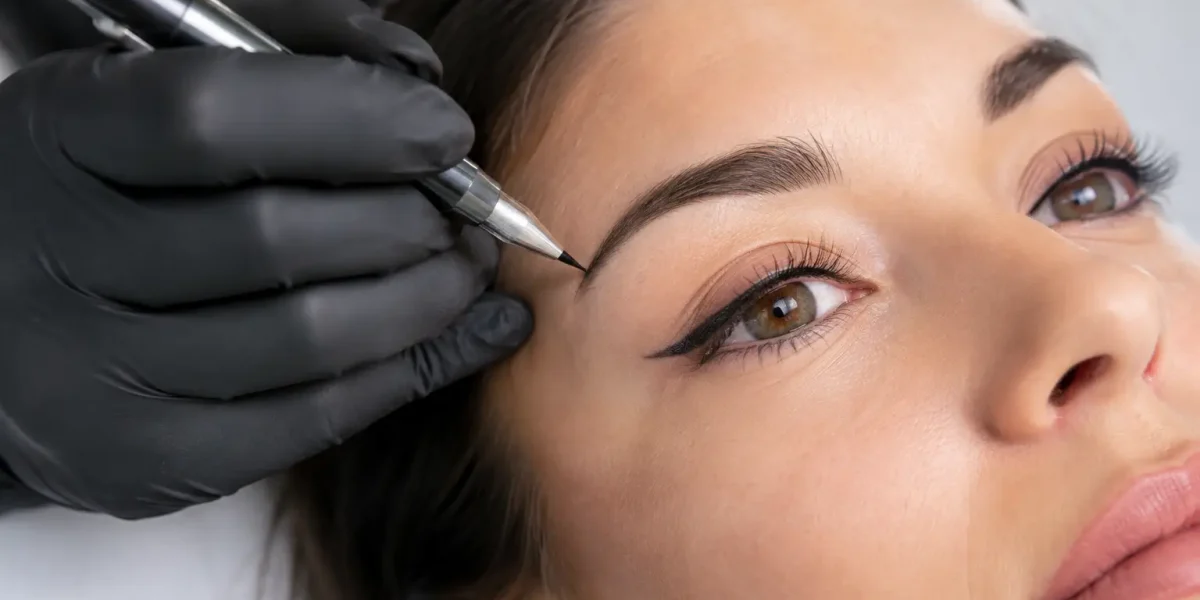
A crisp lash line can make your eyes look more awake before you have touched mascara or reached for an eyeliner pencil. But clients considering permanent makeup often ask one practical question first: does permanent eyeliner fade? Yes, it does – and that is not necessarily a bad thing. Permanent eyeliner is designed to provide long-lasting definition, but it is not meant to stay frozen in the exact shade and intensity it had on treatment day.
The goal is a beautifully healed enhancement that softens naturally with time, then can be refreshed when needed. Knowing what fading looks like, why it happens, and how to protect your results helps you choose your treatment with confidence.
Does Permanent Eyeliner Fade Over Time?
Permanent eyeliner fades gradually because pigment is placed in the upper layers of the skin, where the body slowly processes and sheds it over time. Unlike a traditional body tattoo, permanent makeup uses specialized pigments, techniques, and placement intended for delicate facial skin. The word “permanent” refers to the long-term nature of the result, not a guarantee that the color will remain unchanged forever.
For many clients, eyeliner remains visible for one to three years before a color boost is desired. Some retain definition longer, while others notice softening sooner. A fine lash enhancement may fade more subtly than a bold wing because it starts out softer and is designed to look like naturally fuller lashes rather than makeup sitting on the skin.
Fading should be even and graceful when the procedure is performed thoughtfully and the skin is cared for properly. Instead of suddenly disappearing, the line usually becomes lighter, less sharp, or less saturated over months and years. That gives you room to adjust the color or style as your preferences, skin, and features evolve.
Why Permanent Eyeliner Fades Differently for Everyone
Your skin plays a major role in pigment retention. Oily skin, for example, may process pigment more quickly than dry or balanced skin. Clients with very active skincare routines can also see faster fading, especially if they use exfoliating acids, retinoids, or treatments around the eye area once healing is complete.
Sun exposure matters too. UV light can break down pigment and cause any cosmetic tattoo to lose intensity more quickly. Your lifestyle, immune response, medications, hormonal changes, and overall skin turnover all influence how your eyeliner heals and holds color.
The original design makes a difference. A soft brown lash line will naturally appear less dramatic as it fades than a saturated black liner. A delicate upper lash enhancement may continue to make the lashes look darker even after it has softened, while a defined wing may eventually need a refresh to maintain its clean shape.
Technique is equally important. The eyelid is thin, mobile, and highly individual. Pigment needs to be placed with precision – deep enough to retain appropriately, yet never so deep that it heals unpredictably or risks a blurred result. This is why permanent eyeliner should always be approached as an advanced cosmetic procedure, not a shortcut to be chosen casually.
The Healing Stage Can Look Like Fading
One of the biggest surprises for first-time clients is how much lighter eyeliner can look after the initial healing period. Immediately after treatment, the color often appears darker, sharper, and more intense due to fresh pigment, mild swelling, and the skin’s natural response.
As the area heals, the pigment can appear to fade significantly. Tiny flakes may form, the line may look patchy for a short period, and the color may seem to disappear before gradually returning as the skin settles. This is a normal part of the healing process for many clients. It does not automatically mean the treatment did not work.
A follow-up appointment is commonly needed to perfect retention, correct small areas that healed lighter, and refine the final intensity. Think of the first session as building the foundation. The touch-up is where the result is balanced and polished according to how your skin responded.
What to Expect From a Permanent Eyeliner Touch-Up
A touch-up is not a failure or an extra detail to overlook when budgeting for your procedure. It is often part of achieving the lasting, refined result you want. During this appointment, your artist evaluates the healed color, symmetry, line thickness, and any areas where the pigment did not retain evenly.
For a natural lash enhancement, a touch-up may simply deepen the lash line. For a more visible eyeliner look, it can improve definition through the outer corner or restore consistency across the lid. The right timing depends on your healing, but it is generally scheduled after the skin has had adequate time to recover.
After that initial refinement, maintenance color boosts are usually performed when the eyeliner has softened enough that you miss the definition. There is no benefit to refreshing too early. Let the healed result show you what it needs rather than chasing a fresh-treatment intensity that is not meant to last forever.
How to Help Your Eyeliner Hold Its Color
Long-lasting results begin before your appointment. Choose an experienced permanent makeup professional who understands eye shape, facial balance, pigment behavior, and the special demands of eyelid skin. A flattering design should enhance your natural eye, not overpower it or lock you into a trend that may not suit you later.
Aftercare is where clients protect the investment they have made in themselves. Follow the instructions given for cleansing, dryness, makeup avoidance, and activity restrictions during healing. Do not pick, scratch, or pull at flaking skin. Removing flakes prematurely can pull pigment out with them and create uneven retention.
Once healed, protect the eye area from excessive sun exposure and avoid applying strong active skincare products directly over the pigmented line. If you enjoy facials, peels, laser treatments, or other advanced skin services, tell your provider that you have permanent makeup so the area can be treated appropriately.
It also helps to set realistic expectations about color. Permanent makeup pigments soften over time by design. A result that looks elegant and dimensional after healing may not look as inky as traditional liquid eyeliner. That softer finish is often exactly what makes permanent eyeliner wearable every day, whether you are dressed for work, the gym, or an evening out.
When Fading May Need Professional Attention
Uneven fading can happen, particularly after the first session, but it should be assessed rather than covered with assumptions. If one side has retained far less color, if the pigment has healed into an unexpected tone, or if the line no longer suits your features, schedule a professional evaluation. A skilled artist can advise whether a simple color boost, correction, or a period of waiting is the best next step.
Do not attempt to correct faded permanent eyeliner with at-home tattoo devices, harsh exfoliants, or aggressive skin treatments. The eye area deserves a cautious, expert-led approach. Beautiful results come from patience, precision, and a plan tailored to your skin rather than a rushed fix.
At Isa Skincare, permanent makeup is approached as a personalized enhancement – one that should support your confidence, complement your natural features, and still look polished as it softens over time. The best eyeliner result is not the darkest line on day one. It is the one that continues to make you feel put together long after the appointment, with a refresh available whenever you are ready for that renewed definition.