
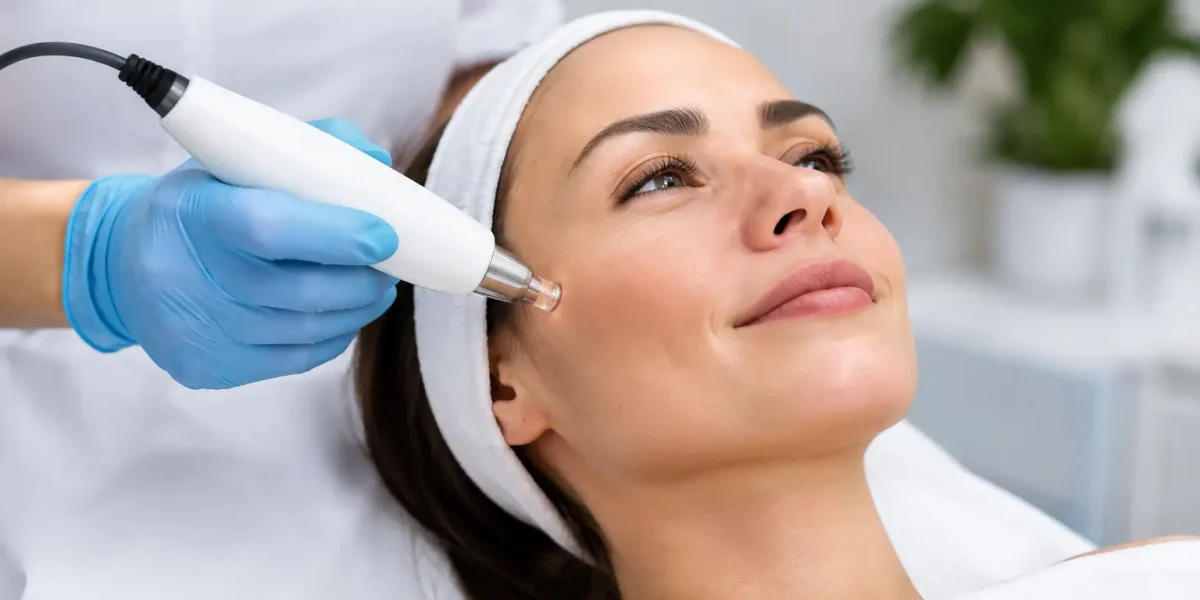
A successful plasma treatment does not end when you leave the treatment room. The real transformation continues as your skin renews itself. Understanding plasma skin tightening healing steps helps you protect that investment, avoid picking or over-treating the area, and feel confident about what you see in the mirror each day.
Plasma-based skin tightening creates tiny, controlled points of treatment on the skin. This targeted process supports the skin’s natural repair response and collagen remodeling, helping improve the look of crepey texture, fine lines, laxity, and facial definition over time. Healing is usually manageable, but it requires patience. The skin needs a calm, clean environment to do what it does best.
What Healing Looks Like After Plasma Skin Tightening
Every client heals at her own pace. Treatment depth, the area treated, skin sensitivity, sun exposure, smoking, medical history, and how closely you follow aftercare can all influence recovery. A larger area or a stronger correction may also require more visible downtime than a light refinement treatment.
Most people experience temporary redness, swelling, warmth, and small dark carbon crusts or dots in the treated area. These are expected parts of the process, not a sign that something has gone wrong. The dots should dry naturally and shed on their own. Trying to remove them early can interrupt healing and increase the risk of uneven pigment or scarring.
Your provider’s instructions always come first. Plasma devices, treatment settings, and individual skin needs differ, so personalized guidance matters more than a one-size-fits-all routine.
Plasma Skin Tightening Healing Steps, Day by Day
The first 24 to 48 hours: Protect and calm
Immediately after treatment, the skin may feel warm, tight, and tender, similar to a mild sunburn. Swelling is especially common around the eyes and may look more noticeable the morning after treatment. Keep your head elevated when resting, drink water, and use a cool compress only if your provider has approved it. Do not press, rub, or apply ice directly to the treated skin.
This is the time to keep things simple. Avoid makeup, active skincare, hot showers, steam rooms, saunas, strenuous workouts, and anything that makes you sweat heavily. Heat and friction can aggravate freshly treated skin. Clean hands are essential. Do not touch the area unless you are applying the specific aftercare product recommended by your practitioner.
Days 3 to 7: Let the crusts do their job
The treated dots will usually darken and become more noticeable before they begin to lift away. This stage can test your patience, particularly if you have an upcoming event. Resist the urge to exfoliate, scrub, shave over the area, or cover the crusts with makeup before you have been cleared to do so.
Wash only as directed, using lukewarm water and a gentle approach. Pat dry instead of rubbing. If your practitioner recommends a healing balm or a simple moisturizer, apply it with clean hands and a light touch. More product is not always better. Heavy layers or unapproved products can trap heat, irritate the skin, or interfere with the natural shedding process.
For many clients, swelling begins to improve during this period, while the tiny crusts naturally release. The fresh skin underneath may look pink or slightly lighter or darker than surrounding skin for a while. That does not mean it is your final result.
Days 7 to 14: Support fresh new skin
Once all crusting has shed naturally, the focus shifts to protection. The skin can still be delicate, pink, and more reactive than usual. Wear broad-spectrum sunscreen exactly as recommended by your provider and limit direct sun exposure. A hat and shade are smart choices, especially in bright climates or when you spend time outdoors.
You may be cleared to return to makeup and a basic skincare routine, but do not rush into retinol, exfoliating acids, scrubs, vitamin C serums, or strong acne products. These ingredients can be excellent for established skin, yet too aggressive during early recovery. Reintroduce active products only when your provider says your skin is ready.
Weeks 3 to 12: Watch the collagen response build
The visible surface has healed, but the deeper renewal process is still underway. Plasma skin tightening is valued because results can continue developing as collagen and elastin support improves. You may notice gradual refinement in firmness, texture, fine lines, and the appearance of lifted skin over several weeks to months.
This is why judging the treatment too early can be misleading. Take progress photos in similar lighting and at consistent angles if you want an honest view of the change. Protecting your skin from sun damage and keeping your routine gentle will help preserve the quality of your result.
Aftercare Habits That Protect Your Results
Healing well is not about doing more. It is about avoiding the few things that can derail recovery. Keep the treated area clean, do not pick or scratch, and follow the product plan provided at your appointment. If you are prone to cold sores and are treating around the mouth, tell your provider before treatment so an appropriate preventive plan can be discussed.
For at least the early healing phase, avoid swimming pools, hot tubs, ocean water, tanning, waxing, facials, and other cosmetic treatments on or near the treated area. Fragrance-heavy products and essential oils can also be irritating when the skin barrier is compromised.
Lifestyle choices matter, too. Hydration, nutritious meals, sleep, and sun protection support the skin’s repair process. Smoking can impair healing and collagen production, so it is a meaningful factor to discuss honestly before booking a treatment.
What Not to Do During Plasma Healing
Do not treat plasma recovery like a peeling facial. The carbon crusts are part of a controlled healing response and should never be manually removed. Avoid concealer as a shortcut if the dots are still present, and do not use exfoliating pads to make the skin look smoother faster.
Also skip at-home devices, microneedling, lasers, chemical peels, injectables, and aggressive massage until your practitioner clears you. Stacking procedures too close together can create unnecessary inflammation. Beautiful results come from respecting the treatment plan, not rushing the timeline.
When to Contact Your Provider
Some redness, swelling, tenderness, itching, and temporary discoloration can be normal. However, contact your treatment provider promptly if you notice increasing pain, spreading redness, significant heat, pus-like drainage, fever, blistering, or swelling that becomes severe rather than gradually improving. Reach out as well if you are unsure whether a product is safe to use.
A professional provider would rather answer a question early than have you guess. This is particularly true for clients with a history of pigment changes, sensitive skin, autoimmune conditions, active skin infections, or medications that may affect healing.
Planning Treatment Around Real Life
If you are preparing for a wedding, vacation, photo shoot, or major celebration, give yourself more time than the basic surface-healing window. Most clients benefit from scheduling at least two weeks before an important event, and longer is wiser for larger treatment areas or anyone who tends to swell or pigment easily.
At Isa Skincare, Avatar Skin Lift Therapy is approached as a personalized soft-surgery treatment, not a quick fix. The goal is visible, progressive rejuvenation with a recovery plan that respects your skin, your lifestyle, and your desired outcome.
Give your skin the space to heal beautifully. Follow your individualized aftercare plan, protect the new skin from the sun, and let the gradual refinement remind you that lasting results are built day by day.