
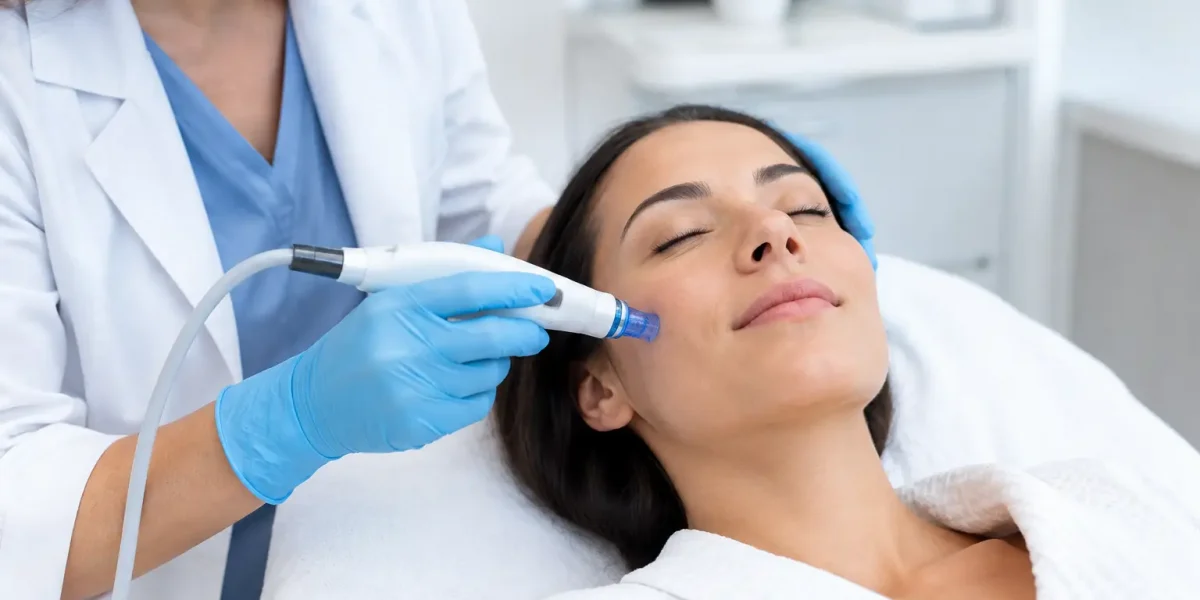
A beautiful lift should never come at the expense of your skin’s health. This guide to plasma treatment safety is for women who want visible tightening, improved definition, and long-lasting rejuvenation while making smart, informed decisions about who performs their treatment and how their skin is cared for afterward.
Plasma-based treatments can be a compelling alternative for clients who are not ready for surgical procedures or injectable treatments. But the device is only one part of the result. Your safety depends on appropriate screening, skilled technique, a clean treatment environment, honest expectations, and disciplined aftercare.
What Plasma Treatment Does to the Skin
In aesthetic skin tightening, plasma technology creates a controlled electrical discharge above the skin’s surface. That energy is used to create precise, superficial treatment points intended to trigger the skin’s natural repair response. As the area heals, collagen remodeling can gradually improve the appearance of fine lines, laxity, texture, and selected areas of asymmetry.
The goal is controlled treatment, not aggressive trauma. A properly planned plasma session respects the skin’s thickness, tone, condition, and healing capacity. The eye area, for example, requires a very different approach from the neck, upper lip, or abdomen.
Results are not identical for every client. Skin quality, age, lifestyle, sun exposure, smoking, medical history, and post-treatment care all affect the healing process. Immediate tightening may be visible, while collagen changes continue to develop over the following weeks and months.
Start With the Right Candidate Screening
A consultation is not a sales step. It is the first safety step. Before a plasma treatment, your practitioner should ask about your health history, medications, previous procedures, allergies, and the concerns you would like to improve.
Be completely open about any history of keloid or raised scarring, delayed wound healing, pigmentation changes, cold sores, autoimmune conditions, diabetes, active skin conditions, or recent use of prescription acne medications. These details can change the treatment plan or mean treatment should be postponed.
Pregnancy and breastfeeding, active infections, open wounds, and significant irritation in the treatment area are also reasons to wait. A responsible provider will never rush past these questions to book a session. Sometimes the safest recommendation is to treat the skin barrier first, choose a different service, or wait until a medical professional clears you for treatment.
Skin tone deserves particular attention. Any treatment that intentionally creates a controlled skin injury carries a risk of post-inflammatory hyperpigmentation or hypopigmentation. Experienced practitioners assess this risk carefully and may recommend conservative settings, test areas, specialized preparation, or an alternative approach based on your skin’s needs.
Choose Expertise, Not a Bargain
Plasma treatment is technique-dependent. The difference between a thoughtful treatment and an overly aggressive one can come down to the provider’s understanding of anatomy, skin behavior, device settings, spacing, and healing.
Ask who will perform your procedure, what training they have completed, and how often they work with the specific treatment area you are considering. A qualified professional should be comfortable explaining their process in clear language, including who is not a candidate and what complications, although uncommon, may occur.
Be cautious when a provider promises a surgical result with no healing period, no risk, or guaranteed perfection. Plasma treatments can produce beautiful, natural-looking improvements, but they are not magic and they are not right for every concern. Honest expertise sounds measured, not exaggerated.
Your treatment space also matters. It should be clean, organized, and set up for proper sanitation. Single-use items should be opened for your appointment, the device should be maintained according to manufacturer guidance, and the practitioner should use appropriate protective equipment. Do not feel shy about asking how the area and equipment are prepared. That question protects you.
Plasma Treatment Safety Questions to Ask Before Booking
A confident client asks clear questions. Before committing, make sure you understand the plan, not just the promised outcome. Ask about the expected healing timeline, the number of sessions that may be needed, and what results are realistic for your specific concern.
You should also know what sensation to expect and how comfort will be managed. Treatment can involve heat, pinpoint discomfort, swelling, and temporary tenderness, especially in delicate areas. Your provider should discuss this before the appointment, not after treatment has begun.
These five questions can help you identify a safety-focused practice:
- Is this treatment appropriate for my skin type, health history, and current medications?
- What credentials and hands-on training does the practitioner have with this device and area?
- What healing response is normal, and what signs mean I should contact you or seek medical advice?
- What aftercare products are recommended, and which ingredients or activities should I avoid?
- How will you manage an unexpected reaction or complication?
In the United States, device clearance, intended use, and local professional regulations can vary. A reputable provider will be direct about the device they use and the scope of their practice. If a claim feels vague or too good to be true, pause and ask for clarity.
Protect the Healing Process at Home
Aftercare is where clients have meaningful influence over their final result. Treated skin needs time to repair without being picked, overheated, scrubbed, or exposed to unnecessary bacteria and UV radiation.
Small crusts or carbon spots may form after treatment. They are part of the normal healing response and should never be scratched, peeled, or exfoliated away. Removing them early can increase the risk of infection, prolonged redness, texture changes, and pigment concerns.
Follow your practitioner’s product instructions exactly. In many cases, this means keeping the area clean, using only approved post-treatment products, avoiding makeup until advised, and keeping hands away from the treated skin. Avoid pools, saunas, steam rooms, intense workouts, tanning, and direct sun exposure during the initial recovery period your provider recommends.
Sun protection is non-negotiable once the skin is ready for it. Healing skin is more vulnerable to discoloration, and consistent broad-spectrum sunscreen helps protect the clarity of your result. Your provider can tell you when sunscreen and your normal skincare routine can be safely reintroduced.
Do not add strong acids, retinoids, scrubs, bleaching agents, or new active products because you are eager to speed up results. More is not better during recovery. Calm, protected skin heals more beautifully than skin overwhelmed by products.
Know What Is Normal and What Is Not
Temporary redness, swelling, tenderness, itching, and visible treatment dots can be expected, depending on the area and intensity of treatment. Swelling around the eyes may look dramatic at first, even when it is within a normal healing range. Your practitioner should provide realistic day-by-day guidance so you do not feel surprised by the process.
Contact your provider promptly if discomfort becomes severe or worsens instead of improving, or if you notice increasing heat, spreading redness, pus, fever, extensive blistering, or an unusual rash. If you believe you are having a serious reaction, seek urgent medical care. Never rely on social media advice to diagnose a post-treatment concern.
Photos are useful during healing. Take clear images in the same lighting each day or as directed so your provider can assess changes accurately if you have questions. This is especially valuable if you live far from your treatment provider or are traveling.
A Safer Path to Lasting Confidence
At Isa Skincare, plasma-based Avatar Skin Lift Therapy is approached as a precision service, not a one-size-fits-all beauty trend. The most rewarding transformations happen when advanced technology is paired with skilled judgment, realistic planning, and a client who protects her investment during healing.
Your best next step is a detailed consultation with a trained provider who listens to your goals, respects your skin, and gives you the confidence to say yes only when the treatment plan feels right. Beautiful results should feel empowering from the first conversation through every stage of recovery.