
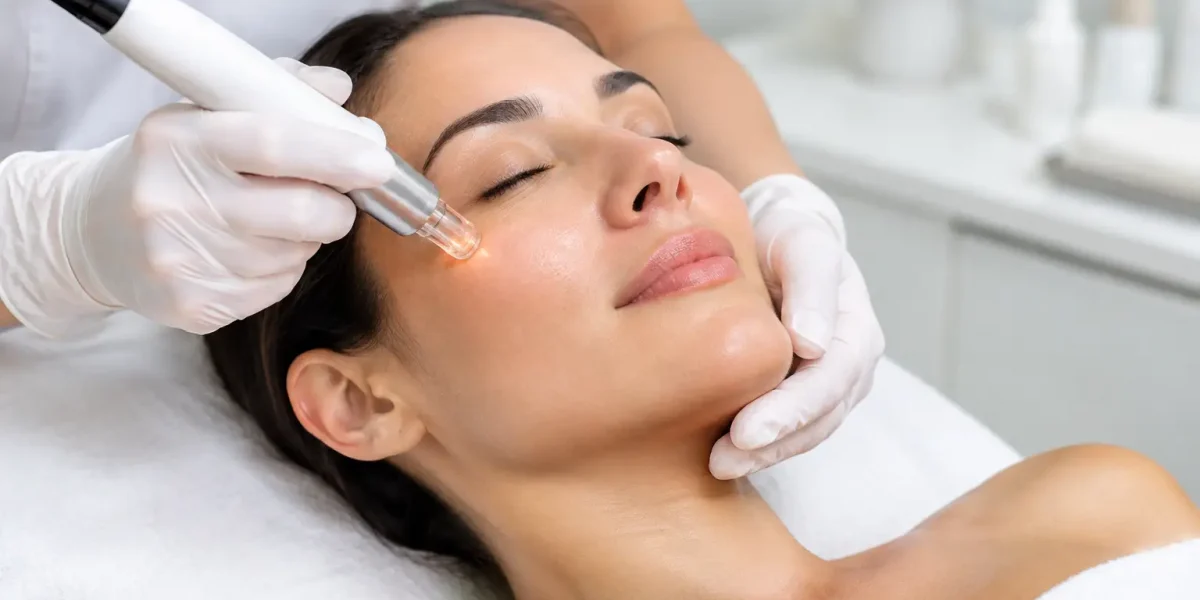
Loose upper lids, fine lines around the mouth, and skin that no longer looks as firm as it feels can be frustrating. A facial plasma treatment guide should do more than promise a lift. It should help you understand what the treatment is designed to improve, what healing truly looks like, and whether this approach fits your goals.
Plasma skin tightening is a precise, non-surgical cosmetic treatment that creates controlled micro-injuries on the skin’s surface. This encourages the body’s natural repair response, including collagen and elastin production. The goal is not to change your face. It is to support firmer, smoother, more refreshed-looking skin while preserving your natural expression.
What Is Facial Plasma Treatment?
Facial plasma treatment, often called plasma fibroblast treatment or plasma skin tightening, uses a specialized device to create a small electrical arc just above the skin. That arc ionizes the gases in the air to form plasma. The treatment point is extremely controlled and does not require the device to cut into the skin.
Tiny carbon crusts form in a planned pattern across the treatment area. Beneath the surface, the skin begins its healing and remodeling process. As new collagen develops over the following weeks and months, the area may appear tighter, smoother, and more defined.
This is not the same as PRP, or platelet-rich plasma, which involves drawing blood and using concentrated platelets. Facial plasma tightening uses an energy-based device. The two treatments have different techniques, healing patterns, and ideal uses.
At Isa Skincare, Avatar Skin Lift Therapy is positioned as a soft-surgery approach for clients seeking visible refinement without traditional incisions, injectable filler, or extended surgical downtime. A skilled provider will always assess your skin, your concerns, and your desired outcome before recommending any treatment.
Facial Plasma Treatment Guide: Areas It Can Address
Plasma treatment is especially popular in smaller, detail-focused areas where skin laxity and creasing are visible. It may be considered for upper eyelid hooding, crow’s feet, forehead lines, lines around the lips, smoker’s lines, jawline laxity, neck creasing, and selected areas of the lower face.
The best candidates are often clients with mild to moderate laxity who want a meaningful improvement but are not ready for surgical procedures. Results are typically more subtle than a surgical facelift or blepharoplasty, which is the trade-off for avoiding incisions and deeper tissue alteration. If you have significant excess skin or pronounced jowling, surgery may deliver a more dramatic correction.
Plasma can also be useful when a client wants to improve texture and tighten a very specific area without adding volume. Filler restores volume, while plasma treatment focuses on the skin itself. Some people benefit from one approach, some from the other, and some from a thoughtfully spaced combination plan.
What Happens During an Appointment
Your appointment should begin with a consultation, not a one-size-fits-all protocol. Your provider should review your medical history, skin type, current skincare routine, previous cosmetic procedures, and history of pigmentation changes or abnormal scarring. Be honest about cold sores, active acne, autoimmune conditions, medications, pregnancy, and recent sun exposure.
A topical numbing cream is usually applied before treatment. Clients commonly describe a warm, prickling sensation, but comfort levels vary by area and individual sensitivity. Delicate zones such as the eyelids and upper lip can feel more intense than the forehead or jawline.
The provider works in a deliberate pattern across the planned area. Treatment time depends on the size and complexity of the zone. A small area may take under an hour, while a more comprehensive facial plan can take longer. You should leave with clear aftercare instructions and a realistic expectation of swelling, crusting, and social downtime.
Healing: What to Expect Day by Day
Healing is part of the treatment, not an inconvenience to ignore. Immediately afterward, the skin may look red and feel warm. Small dark dots or crusts are expected where the plasma points were created. Swelling is common, especially around the eyes, and can peak during the first 24 to 72 hours.
For many clients, the visible crusting phase lasts roughly five to 10 days. Do not pick, scrub, exfoliate, or attempt to remove the crusts early. Let them release naturally. Pulling them off can increase the risk of irritation, delayed healing, pigment changes, or scarring.
After the crusts shed, fresh pink skin may be visible for a period of time. Sun protection is non-negotiable. Your provider may recommend avoiding makeup until the skin has closed, pausing active ingredients such as retinoids and acids, and using only the approved aftercare products during recovery.
The immediate tightening effect can be exciting, but collagen remodeling takes time. Many clients see progressive improvement over eight to 12 weeks, and skin changes may continue to mature for several months. Depending on the area, the degree of laxity, and your skin’s response, more than one session may be recommended.
Safety, Skin Tone, and Choosing the Right Provider
Plasma treatment is technique-sensitive. The quality of the device matters, but provider training, treatment depth, spacing, and aftercare guidance matter just as much. An overly aggressive treatment can create unnecessary trauma. An overly conservative treatment may not provide the improvement you were hoping for.
Not everyone is an ideal candidate. People with active infections, open wounds, a tendency toward keloid scarring, uncontrolled medical conditions, or certain skin disorders may need to postpone treatment or choose another option. Recent isotretinoin use, photosensitizing medications, and a history of post-inflammatory hyperpigmentation also deserve careful discussion.
Clients with deeper skin tones are not automatically excluded, but they require a more individualized assessment. Because any controlled skin injury can trigger pigment changes, an experienced provider should evaluate risk carefully, discuss the limits of treatment, and use a protocol appropriate for your skin.
Be cautious of bargain offers that minimize healing or guarantee identical results for everyone. A quality consultation should include candid discussion of risks, expected downtime, likely results, and alternatives. Before-and-after photos can be helpful when they show clients with similar skin concerns and are taken under consistent lighting.
How to Prepare for Better Results
Preparation starts with protecting your skin barrier. Avoid tanning and significant sun exposure before your appointment. Arrive with clean skin and follow your provider’s instructions about pausing retinoids, exfoliants, or other potentially irritating products.
Plan your calendar around recovery rather than trying to hide it. While many clients return to normal routines after the crusting phase, you may not want to schedule a major event, photo shoot, or important meeting during the first one to two weeks. Give your skin the quiet time it needs to heal well.
Your long-term results also depend on what happens after treatment. Consistent sunscreen, a well-matched skincare regimen, hydration, and healthy habits help protect the collagen you are working to stimulate. No cosmetic treatment can stop natural aging, but the right maintenance plan can help you enjoy a firmer, more polished look for longer.
The strongest results begin with an honest conversation: what bothers you when you look in the mirror, how much downtime you can accept, and what level of change will genuinely make you feel more confident. Choose expertise over shortcuts, respect the healing process, and let your treatment plan be as individual as your face.