
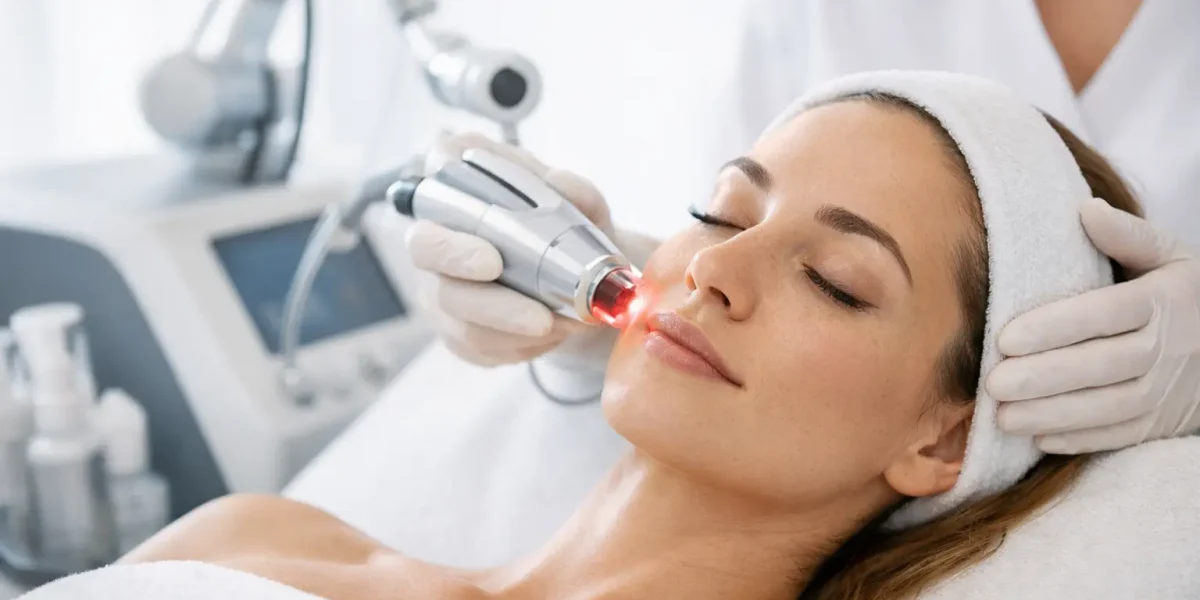
A treatment should not force you to choose between meaningful improvement and disappearing from your life for weeks. Fast healing skin resurfacing is designed for women who want smoother, firmer, more refined-looking skin while keeping recovery realistic, supported, and worth the investment.
The goal is not to make skin look artificially changed. It is to encourage visible renewal in areas that can reveal age, sun exposure, and loss of collagen first: the eyelids, around the mouth, cheeks, neck, and jawline. The right treatment plan can improve surface texture while supporting a more lifted, refreshed appearance over time.
What Fast Healing Skin Resurfacing Really Means
“Fast healing” does not mean there is no healing. Any procedure that intentionally renews the skin creates a controlled response, and your body needs time to repair that tissue. The difference is in the treatment method, the depth of the work, the area treated, and the quality of your aftercare.
Fast healing skin resurfacing generally focuses on controlled, precise treatment rather than broad, aggressive injury to the skin. Depending on the technology and your goals, resurfacing may address fine lines, crepey skin, enlarged-looking pores, uneven texture, mild laxity, and certain signs of photoaging. A carefully selected treatment can offer a shorter visible recovery period than more aggressive resurfacing, but it may also require patience as collagen remodeling continues.
This is where honest expectations matter. A light treatment may have minimal downtime but produce subtler change. A more intensive treatment may deliver a more dramatic correction, yet involve additional swelling, crusting, redness, and recovery. The smartest choice is not always the strongest procedure. It is the procedure that matches your skin, your schedule, and the result you truly want.
Why Plasma-Based Resurfacing Can Support Recovery
Plasma-based skin tightening, including the approach used in Avatar Skin Lift Therapy, works by creating targeted micro-treatment points on the skin. This controlled process supports the skin’s natural repair response and collagen production without injections or traditional incisions.
Precision matters, especially in delicate areas such as the upper eyelids, under-eye region, lip lines, and neck. When treatment is tailored to the area instead of applying one aggressive setting everywhere, the skin can recover in a more predictable way. Clients often appreciate that this approach can address both texture and the appearance of laxity in a single strategic plan.
Results are not only about what you see immediately after an appointment. Initial tightening or refinement may be noticeable early, while progressive collagen remodeling can continue for several weeks or months. That gradual change is part of the appeal: the skin has time to build a more refreshed appearance rather than looking suddenly altered.
Still, plasma is not automatically right for every concern or every skin type. A consultation should consider medical history, skin sensitivity, active breakouts or infections, previous pigmentation concerns, medications, healing history, and your willingness to follow aftercare exactly. Experienced treatment planning protects both your comfort and your outcome.
The Recovery Timeline: What Is Normal?
Recovery varies by treatment depth and body area, but most clients move through recognizable stages. Immediately after a resurfacing procedure, the area may feel warm, tight, or tender. Redness and swelling are common, particularly around the eyes, where even a precise treatment can create temporary puffiness.
Over the next several days, small treated points may darken or form tiny crusts. This is not a sign that something has gone wrong. It is a normal part of the healing process. The temptation to pick, rub, or exfoliate them away can be strong, especially when you are ready to see fresh skin. Resist it. Pulling at healing skin can increase irritation and raise the risk of uneven texture or pigment changes.
As the surface settles, you may notice dryness, flaking, or a pink tone. Makeup timing depends on your provider’s instructions and whether the skin surface is fully closed and calm. There is no benefit to rushing coverage if it compromises recovery. A few days of strategic scheduling is often far easier than extending irritation because aftercare was ignored.
The deeper improvement takes longer. Fine lines may continue to soften, and skin can appear firmer as collagen activity develops. Your final result should be evaluated on the timeline recommended by your provider, not in the first week when the skin is still actively repairing.
How to Help Your Skin Heal Beautifully
Your results begin at the appointment, but your aftercare determines how smoothly the recovery unfolds. Treat newly resurfaced skin as vulnerable skin. Keep hands away from the area unless you are cleansing or applying a product specifically approved by your provider. Use clean pillowcases, avoid sweaty workouts and excessive heat during the initial recovery window, and skip pools, saunas, steam rooms, and hot tubs until you are cleared.
Sun protection is non-negotiable. Freshly treated skin is more susceptible to discoloration from UV exposure. Follow your provider’s guidance about when to begin sunscreen, and protect the area with shade, a hat, and thoughtful scheduling whenever possible. “Just a little sun” can become a long-lasting pigment issue when the skin is healing.
Do not add active skincare products because you are impatient for faster results. Retinoids, exfoliating acids, scrubs, benzoyl peroxide, fragranced products, and strong vitamin C formulas can irritate compromised skin. A simple, provider-approved routine is usually the best one during recovery: gentle cleansing, appropriate hydration, and disciplined protection.
Hydration, sleep, and nutrition also deserve more credit than they receive. They do not replace clinical aftercare, but they support your body’s ability to recover. If you smoke or use nicotine products, discuss this honestly before treatment. Nicotine can interfere with normal healing and should be part of your treatment decision.
The Biggest Factors That Affect Healing Speed
No reputable provider can promise that every client will heal at the same speed. Your skin’s response is personal. Age, treatment area, procedure intensity, sun damage, skin tone, immune health, medication use, and past healing patterns all influence downtime.
The eyelids may swell more noticeably than the cheeks, even after a smaller treatment. The neck can take longer to look fully settled because the skin is thinner and moves constantly. Clients with a history of post-inflammatory hyperpigmentation need especially careful planning and strict sun avoidance. These are not reasons to avoid treatment automatically. They are reasons to choose a practitioner who respects skin biology instead of selling a one-size-fits-all promise.
Timing also matters. Do not schedule resurfacing immediately before a beach trip, major event, photo shoot, or work obligation where you cannot allow for visible healing. Give yourself breathing room. Confidence comes from knowing your recovery plan, not from hoping your skin will be camera-ready on an unrealistic deadline.
When to Contact Your Provider
A little redness, swelling, tightness, and crusting can be expected. Increasing pain, spreading redness, unusual drainage, fever, significant blistering, or any symptom that feels out of proportion should be reported promptly. Never try to self-treat a concerning reaction with random products from your bathroom cabinet.
Clear communication is part of premium care. Before treatment, ask what your expected recovery should look like day by day, which products are safe, when you can return to makeup and exercise, and how to contact your provider if you have a concern. The procedure matters, but so does the support you receive after you leave the treatment room.
At Isa Skincare, the focus is on creating a treatment plan that respects your natural beauty, your goals, and your real life. A fresh, lifted look should feel like confidence returning to the surface, not like a recovery process you were never prepared for.
Choose resurfacing because it fits your skin and your standards, not because it promises the fastest possible timeline. With expert assessment, precise treatment, and patient aftercare, your healing period can become a purposeful part of the transformation.