
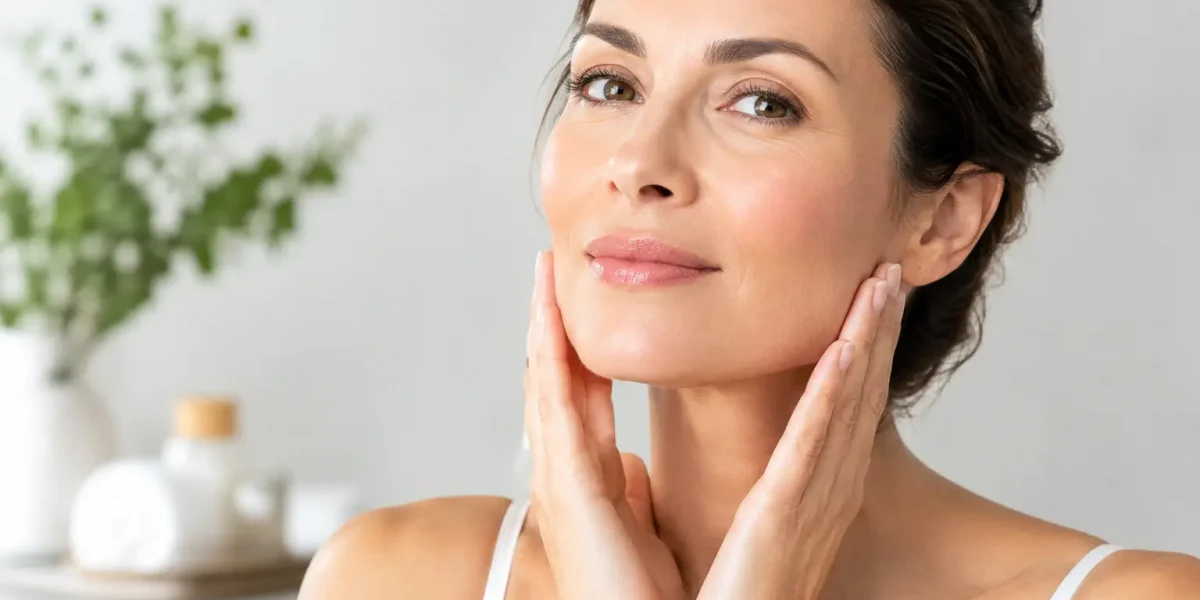
A softer jawline, crepey eyelids, fine lines around the mouth, and skin that no longer snaps back the way it once did can change how you feel when you look in the mirror. Skin tightening is not about chasing a different face. Done well, it is about restoring definition, balance, and the confident appearance that still feels like you.
The question is not whether firmer-looking skin is possible without traditional surgery. For many clients, it is. The better question is which approach matches your skin, your degree of laxity, and the result you want to see over time. A thoughtful treatment plan matters far more than a quick promise.
What Skin Tightening Actually Treats
Skin laxity happens when collagen and elastin production slow down. These are the structural proteins that help skin look smooth, supported, and resilient. Sun exposure, natural aging, weight changes, genetics, stress, and hormonal shifts can all make that loss more visible.
The earliest signs are often subtle: makeup settling into lines, a less-defined upper eyelid, mild jowling, loose skin below the chin, or fine wrinkles that remain even when your face is at rest. As laxity progresses, the face can look tired or less balanced, even when you are well rested.
Non-surgical tightening treatments work by creating controlled stimulation in targeted areas of the skin. The goal is to encourage the skin’s natural repair response and support new collagen formation. This is why meaningful results are often progressive. You may see an initial change, but your skin continues to remodel in the weeks and months that follow.
Why Plasma-Based Tightening Is Different
Not all treatments marketed for tightening work in the same way. Creams can support hydration and improve the look of fine texture, but they cannot create the same level of structural change as an in-office procedure. Injectable treatments can restore volume or relax certain expression lines, but they do not directly address every concern caused by loose skin.
Plasma-based technology offers a focused option for areas where precision matters. At Isa Skincare, Avatar Skin Lift Therapy is designed as a soft-surgery approach for clients who want visible lifting and refinement without traditional incisions or injectable fillers. The treatment creates controlled micro-injuries at the skin’s surface, initiating a repair process that can help improve the appearance of wrinkles, laxity, and asymmetry.
This precision can be especially valuable around delicate areas such as the upper and lower eyelids, the lip lines, the neck, and portions of the jawline. These are areas where loose skin can be noticeable, yet many clients are not ready for a surgical procedure or the recovery that comes with it.
The appeal is not simply that the treatment is non-surgical. It is that the plan can be highly individualized. A subtle eyelid lift requires a different strategy than softening etched lip lines or improving the look of loose skin under the chin. Your face should never be treated as a template.
What Results Can You Expect?
The strongest results are usually seen in clients with mild to moderate laxity, fine lines, and localized areas of skin looseness. If your concern is a heavy amount of excess skin, advanced jowling, or significant volume loss, a non-surgical treatment may improve the area but may not deliver the dramatic change of a surgical facelift or blepharoplasty. That is not a failure. It is the reality of choosing a lower-downtime treatment.
Some clients notice a tighter, more refreshed appearance soon after the initial healing period. The more meaningful transformation develops gradually as collagen remodeling continues. This process can take several months, and the pace varies with age, skin quality, lifestyle, sun exposure, and aftercare.
Results are also not one-size-fits-all. A client in her forties with early eyelid hooding may see a striking improvement from a focused treatment plan. A client with more advanced laxity may benefit from treating several areas over time or combining professional treatments with a strong skin maintenance routine.
The goal is a believable result: skin that looks smoother, firmer, and more awake without appearing overdone.
The Healing Process Deserves Respect
Fast healing does not mean no healing. Following a plasma-based treatment, the treated area commonly develops small crusts or dots as the skin repairs itself. Swelling and redness can occur, particularly around the eyes. These are expected parts of the recovery process and should be discussed before treatment so you can plan accordingly.
Do not pick, scrub, exfoliate, or cover healing skin with products that have not been approved for your aftercare plan. Interfering with the protective crusting can increase the risk of unwanted pigment changes, delayed healing, or other complications. Sun protection is equally essential. Freshly treated skin is more vulnerable to discoloration when exposed to UV light.
Your provider should give you clear instructions on cleansing, moisture support, makeup timing, exercise, sun exposure, and what symptoms require a follow-up. A beautiful result is not created by the device alone. It depends on technique, skin selection, and how carefully you protect the area afterward.
Who Is a Good Candidate for Skin Tightening?
A consultation should begin with your goals, not a sales pitch. You may be a strong candidate if you want to improve fine lines, mild hooding, loose texture, or early facial laxity and prefer an alternative to surgery or injections.
Your skin tone, medical history, medications, history of scarring, active skin conditions, and tendency toward hyperpigmentation all matter. Certain clients may need a more conservative approach, a test area, additional preparation, or a different treatment entirely. If you have an active infection, open lesions, uncontrolled health concerns, or are pregnant or breastfeeding, treatment may need to be delayed.
Honest guidance is part of expert care. Sometimes the right answer is treatment. Sometimes it is skincare preparation first. Sometimes it is waiting until you are a better candidate. The best providers protect your long-term skin health as carefully as they pursue a visible lift.
Questions Worth Asking Before You Book
Ask which specific concerns the treatment is designed to address, how many sessions may be recommended, and what realistic improvement looks like for skin like yours. You should also ask about downtime, aftercare, possible side effects, and whether the provider has experience treating your area of concern.
Before-and-after images can be useful, but look beyond dramatic angles and lighting. Ask to see results that resemble your age range, skin quality, and treatment goal. A trustworthy provider will be comfortable discussing both the potential benefits and the limits of the procedure.
Make Your Results Last Longer
Collagen stimulation can create lasting improvement, but no treatment stops the natural aging process. Daily habits have a direct impact on how long your skin maintains its firmness and clarity.
Wear broad-spectrum sunscreen every day, especially after a professional treatment. Avoid smoking, prioritize sleep, manage chronic stress where possible, and follow a skincare routine that supports your barrier rather than constantly irritating it. Professional treatments work best when they are part of a long-term approach to skin health, not a last-minute fix before an event.
You may also choose maintenance treatments as your skin changes. That does not mean your original results disappeared. It means you are responding to the reality that your skin continues to age, and you are choosing to care for it with intention.
The right skin tightening plan should leave you looking refreshed, refined, and unmistakably yourself. Choose expertise over hype, give your skin the healing time it deserves, and let gradual collagen renewal do what quick fixes cannot.