
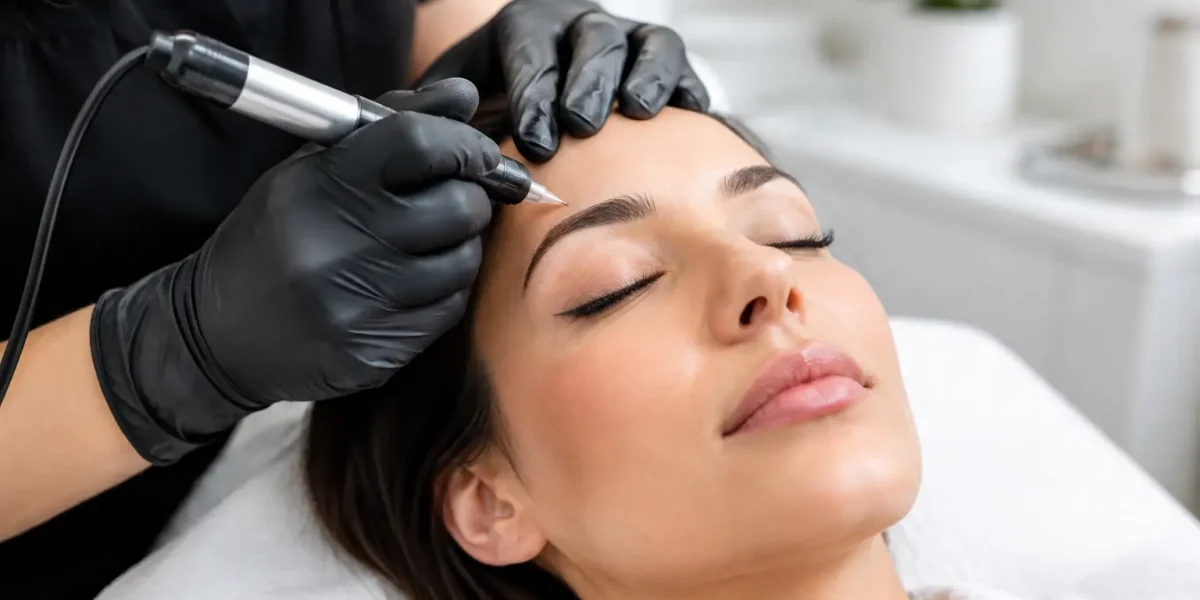
A beautiful brow shape, softly tinted lips, or defined lash line can make your morning routine feel lighter. But before committing, most clients ask the same honest question: does permanent makeup hurt? The short answer is that you may feel sensation and brief discomfort, but a skilled artist, proper topical numbing, and a thoughtful treatment plan make the experience very manageable for most people.
Permanent makeup is not a completely sensation-free service, and anyone who promises that it is would not be giving you the full picture. Still, it is very different from the intense pain many people imagine. Knowing what the appointment actually feels like can replace anxiety with confidence.
Does Permanent Makeup Hurt During the Procedure?
Permanent makeup, also called cosmetic tattooing or micropigmentation, places pigment into the upper layers of the skin with a specialized device. Because the skin is being worked on, you can expect to feel something. Most clients describe the feeling as light scratching, tiny vibrations, pressure, or a repetitive prickling sensation rather than sharp pain.
The sensation varies by treatment area. Brows are often considered one of the more comfortable services because the skin is thicker and topical numbing cream works very well there. Many clients say the first passes feel like tweezing or a light scratch, then become easier once the area is properly numbed.
Lip blush can feel more sensitive, especially around the border of the lips and the cupid’s bow. Lips are naturally more vascular and can swell more quickly, so they may feel warm, tingly, or tender during treatment. A skilled artist works methodically, checks your comfort, and reapplies appropriate numbing products throughout the service when needed.
Permanent eyeliner can create more anticipation than pain. The eye area is delicate, and the sensation may feel ticklish, buzzy, or mildly irritating. Your eyes may water during the procedure, which is a normal reflex. Proper technique, a calm pace, and clear instructions make a major difference in how comfortable this service feels.
What Makes Permanent Makeup Feel More or Less Comfortable?
Your experience is personal. Two clients can receive the same treatment from the same artist and describe it differently. Pain tolerance matters, but it is only one part of the equation.
Your menstrual cycle can affect sensitivity. Some clients notice they are more tender in the days leading up to or during their period. Stress, lack of sleep, dehydration, and anxiety can also make the body more reactive. When you arrive rested, hydrated, and emotionally settled, you are more likely to have a comfortable appointment.
The condition of your skin matters too. Dry, irritated, sunburned, inflamed, or over-exfoliated skin is not ideal for permanent makeup. It may feel more sensitive and may not retain pigment as predictably. This is one reason an experienced provider may ask you to postpone your appointment if your skin needs time to recover.
Technique is equally important. Permanent makeup should never feel rushed. A trained artist uses controlled pressure, quality equipment, appropriate needle selection, and a pace that respects both your skin and your comfort level. The goal is refined, long-lasting enhancement, not simply getting through the appointment quickly.
How Numbing Helps
Topical numbing products are a key part of making permanent makeup more comfortable. A primary numbing cream is typically applied before the procedure begins and allowed time to take effect. Once the skin is open, many artists use a secondary anesthetic designed for use during the service.
Numbing does not always remove every sensation, and it should not be expected to. You may still feel pressure, movement, or occasional sensitivity in certain spots. But when used correctly, it can significantly reduce discomfort and help you stay relaxed throughout the appointment.
Do not apply your own numbing products before a session unless your provider specifically tells you to do so. Certain formulas can affect the skin, interfere with pigment retention, or create safety concerns when combined with products used during the procedure. Your artist should guide you on exactly what to use and when.
Which Permanent Makeup Service Is Most Sensitive?
There is no universal ranking because each person’s nervous system and skin respond differently. Still, brows are commonly reported as the easiest area to tolerate. Lip blush may be more intense due to the lips’ sensitivity, and eyeliner can feel unusual because of the location rather than because of significant pain.
The style of treatment may also affect the sensation and appointment length. A soft powder brow, for example, is built gradually with layers of pigment. Fine hair-stroke techniques can feel different because of the precise motion used to create each stroke. For lips, a sheer wash of color and a more saturated lipstick effect require different amounts of work.
A longer appointment does not automatically mean a more painful one. In many cases, it means the artist is taking time to map your features, build color carefully, and avoid overworking the skin. Precision protects both your comfort and your result.
How to Prepare for a More Comfortable Appointment
The best appointments begin before you sit in the treatment chair. Follow your provider’s pre-care instructions exactly, because they are designed to support safety, comfort, and pigment retention.
For several days before your service, avoid anything your provider has advised against that may increase sensitivity or bleeding, such as alcohol, certain supplements, or blood-thinning medications. Never stop prescribed medication without medical guidance. You may also be asked to pause retinol, exfoliating acids, and other active skincare products near the treatment area.
Arrive with clean skin, a good meal in your system, and water nearby. Low blood sugar can make you feel shaky or more sensitive. Wear comfortable clothing, allow enough time so you are not rushing, and let your provider know if you are nervous. A professional should welcome that conversation, not dismiss it.
If you have a history of cold sores and are planning lip blush, tell your provider before booking. Lip procedures can trigger a flare-up in people who are prone to them. Your medical provider may recommend preventive medication, and that step is worth taking seriously.
What About Pain After Permanent Makeup?
Most clients experience tenderness rather than true pain after their appointment. Brows may feel slightly tight or resemble a mild sunburn for the first day. Lips can feel swollen, dry, and tender, while eyeliner may leave the eyes feeling puffy or watery for a short time.
The first few days are also when your color may look stronger than expected. That is part of the healing process, not a sign that something has gone wrong. As the skin heals, the pigment will soften and settle. Temporary flaking or light scabbing can occur, and it is essential not to pick, peel, or scrub the area.
Your artist should give you detailed aftercare instructions tailored to your treatment. Follow them closely. Avoid excessive heat, sweat, swimming, direct sun exposure, and unnecessary touching during the initial healing period. Gentle care supports a cleaner heal and helps preserve the investment you made in your result.
When Discomfort Is a Reason to Pause
A reputable provider will prioritize your safety over completing a service on schedule. Reschedule if you are sick, have an active skin irritation, are sunburned, or have a breakout in the treatment area. If you are pregnant, nursing, managing an autoimmune condition, prone to keloid scarring, or taking medication that affects healing or bleeding, ask your medical provider and permanent makeup artist whether treatment is appropriate for you.
During the appointment, speak up if something feels unexpectedly intense. A short break, more numbing time, or a slower pace can change the entire experience. You are never expected to endure discomfort silently for the sake of beauty.
Permanent makeup should feel like an empowered choice, not something you have to fear your way through. With an experienced artist, realistic expectations, and careful pre- and post-care, most clients find the treatment far more comfortable than they expected. At Isa Skincare, the focus is always on enhancing your natural beauty with skill, precision, and the confidence to feel at home in your result.