
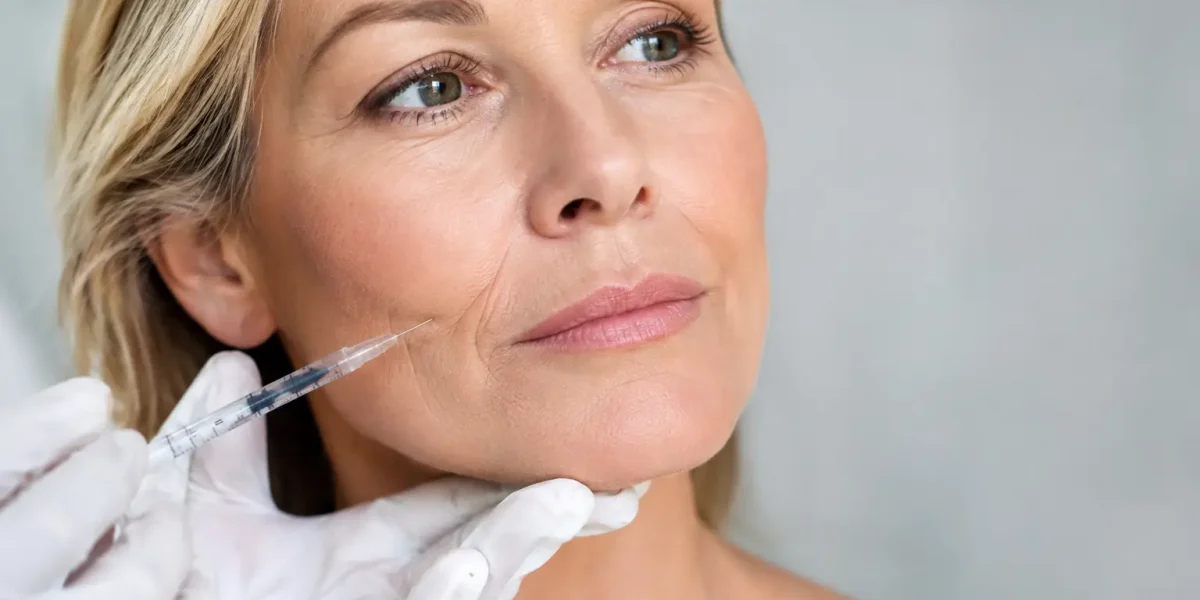
The fine vertical lines above the upper lip can change the way lipstick sits, make the mouth look less defined, and leave you feeling like your face looks tired before the rest of it does. The best treatments for smoker lines do more than temporarily plump the area. They address the collagen loss, repeated muscle movement, and skin creasing that create these stubborn lines in the first place.
Despite the name, smoker lines are not limited to people who smoke. Puckering, drinking through straws, sun exposure, genetics, and the natural decrease in collagen can all contribute. The right treatment depends on whether your lines are visible only when you move your mouth or remain etched into the skin at rest.
Why Smoker Lines Are So Difficult to Treat
The skin around the mouth is constantly moving. Every smile, conversation, sip, and facial expression works the orbicularis oris muscle, the circular muscle surrounding the lips. Over time, repeated folding combined with thinner skin and lower collagen production creates the vertical creases often called lipstick lines or perioral wrinkles.
This is also a delicate area. Treatments must improve texture and tighten the skin without creating an overfilled, unnatural look. For many women, the goal is not to erase every expression. It is to restore a smoother lip border, soften the etched lines, and bring back a fresher, more confident appearance.
A treatment plan should consider skin quality first. If the upper lip has lost firmness, adding volume alone may not deliver the refined result you want. In some cases, filler can even make deeply lined skin look heavier if it is used without addressing the surface and structure of the area.
Best Treatments for Smoker Lines: What Actually Works
There is no single answer for every face. Some clients need collagen stimulation and tightening, while others benefit from carefully placed volume, muscle relaxation, or a combination approach. The depth of the lines, your skin tone, your healing preferences, and how much downtime you can accept all matter.
Plasma Skin Tightening for Crepey, Lined Skin
Plasma-based skin tightening is a powerful non-surgical option for women who want to improve fine lines, skin laxity, and texture around the mouth without injections. During treatment, controlled plasma energy creates tiny, precise points on the skin’s surface. This process supports natural collagen remodeling and encourages the skin to become firmer as it heals.
The immediate effect can include a visible tightening sensation, while the deeper improvement continues gradually as new collagen develops over the following weeks and months. This makes plasma treatment especially appealing for smoker lines that are connected to thin, loose, crepey skin rather than a simple lack of volume.
At Isa Skincare, Avatar Skin Lift Therapy is designed as a soft-surgery approach for clients seeking visible rejuvenation without traditional surgical scars. It can be an excellent option for the upper lip area when the goal is smoother, tighter skin and progressive improvement that still looks like you.
Plasma treatment does require proper aftercare and patience during healing. Small carbon crusts typically form and should never be picked. Downtime varies by treatment intensity and individual healing, so this option is best for clients who can plan around the recovery period and follow professional aftercare closely.
Fractional Resurfacing for Texture and Fine Lines
Fractional laser resurfacing and certain advanced energy-based resurfacing treatments create controlled micro-injuries in the skin to encourage collagen renewal. These treatments can improve fine lines, uneven texture, and sun-related damage around the mouth.
For superficial smoker lines, resurfacing can create a smoother canvas and help makeup apply more evenly. More aggressive resurfacing may produce greater change for etched lines, but it also comes with more redness, peeling, and recovery. Not every laser is appropriate for every skin tone, so provider expertise is essential. The wrong settings or poor candidate selection can increase the risk of unwanted pigment changes.
Resurfacing is often a smart choice for clients whose main concern is texture. If the upper lip also has visible laxity, combining resurfacing with a tightening-focused treatment may create a more complete result.
Microneedling and Radiofrequency Microneedling
Microneedling creates tiny channels in the skin, prompting a natural wound-healing response that supports collagen and elastin. Standard microneedling can be useful for early smoker lines and overall skin maintenance, particularly for women who prefer a series of lower-downtime treatments.
Radiofrequency microneedling adds heat deeper in the skin, which can provide a stronger collagen-stimulating effect. It may be a good middle ground for mild to moderate lines when you want more improvement than basic microneedling but are not ready for an intensive resurfacing or plasma treatment.
The trade-off is timing. These treatments are progressive, not instant. Most clients need a series, and collagen remodeling takes time. The payoff is a gradual, natural-looking refinement rather than a sudden dramatic change.
Strategic Filler for Support, Not an Overfilled Lip
Hyaluronic acid filler can soften smoker lines by restoring support around the lip border, oral commissures, or the skin immediately above the upper lip. In the right hands, a small amount can improve lip definition and reduce the appearance of creasing without making the lips look obviously filled.
But filler is not always the first choice for vertical lines. When wrinkles are deeply etched into thin skin, filling each line can look lumpy or create an unnatural fullness. A skilled provider may instead use filler conservatively to support the surrounding architecture, then recommend a collagen-building treatment for the skin itself.
If you have previously had filler and feel the upper lip looks puffy but the lines remain, that is a sign to reassess the strategy. More filler is not automatically the answer.
Neuromodulators for Repetitive Puckering
Neuromodulators can relax the repeated muscle action that folds the skin around the mouth. Used in very small, precise amounts, they may help prevent dynamic smoker lines from deepening and can complement resurfacing or tightening treatments.
This area requires a conservative approach. Too much product can affect speech, sipping, kissing, or the ability to purse the lips. The right treatment should soften excessive movement, not take away normal expression. Results are temporary, so maintenance is needed.
Choosing the Right Approach for Your Lines
Start by looking at your lines when your face is completely relaxed. If they disappear at rest and show mainly when you pucker, muscle movement may be a major driver. If they remain visible without movement, collagen loss, sun damage, and skin laxity are likely part of the picture.
Fine, shallow lines may respond beautifully to microneedling, light resurfacing, and consistent medical-grade skincare. Moderate lines with thinner or looser skin often benefit from more intensive collagen stimulation, such as plasma skin tightening, radiofrequency microneedling, or fractional resurfacing. Deep lines may need a combination plan that addresses the skin, movement, and structural support together.
Your consultation should also cover history of cold sores, skin sensitivity, pigment concerns, current medications, and previous injectables or resurfacing. These details affect treatment safety and timing. A customized plan will always outperform a one-size-fits-all promise.
Protecting Your Results Between Treatments
No professional treatment can fully compete with daily habits that keep breaking down collagen. Broad-spectrum SPF around the mouth is non-negotiable, even on cloudy days. UV exposure is one of the biggest accelerators of upper-lip lines and uneven texture.
If you smoke, reducing or stopping will benefit more than your skin. It can improve circulation and support healthier healing. Staying hydrated, using a barrier-supporting moisturizer, and following a professionally recommended retinoid plan when appropriate can also help maintain smoother skin over time.
Avoid aggressive at-home acids or scrubs immediately before and after professional treatment unless your provider directs otherwise. The upper lip is not the place to experiment with harsh products. Calm, supported skin heals better and delivers more polished results.
The most effective treatment is the one that matches your skin, your goals, and your willingness to maintain the result. You do not have to accept lipstick bleeding into fine lines or settle for a solution that makes your lips look unlike your own. With the right expert plan, the area around your mouth can look smoother, firmer, and beautifully refreshed while still moving naturally.