
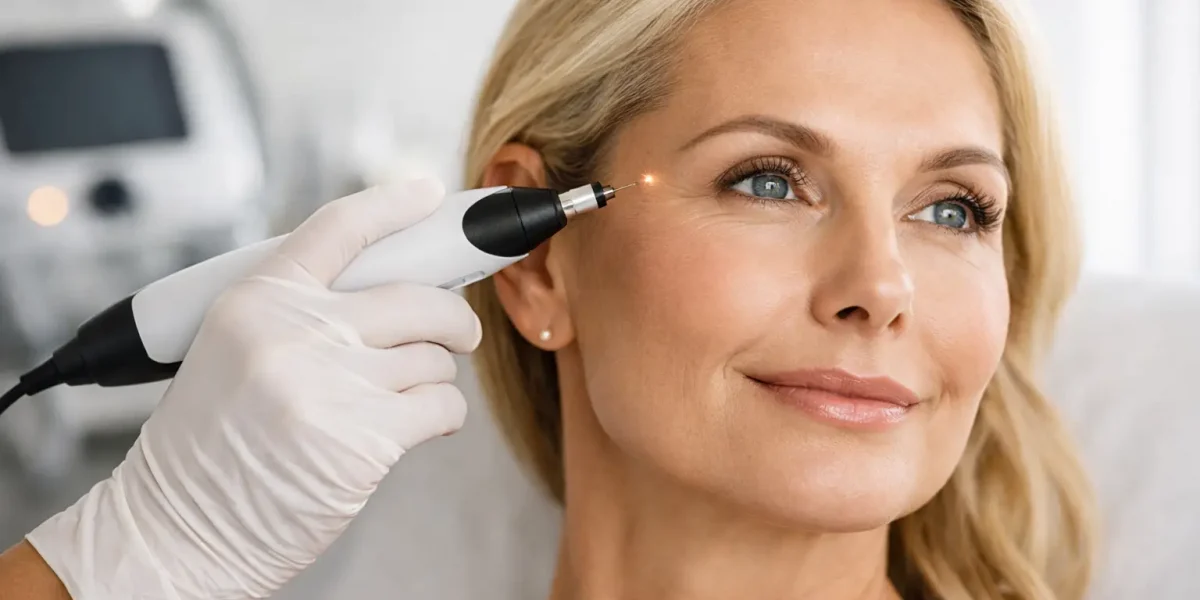
A plasma lift is not the treatment to choose when you want a vague promise of “rejuvenation.” You choose it when loose upper eyelid skin, fine lines around the mouth, crepey texture, or a softened facial contour is making you look more tired than you feel. This plasma lift review gives you the honest view: the treatment can create a visible tightening effect without injectable fillers or traditional surgery, but your result depends on the area treated, your skin quality, your healing habits, and the skill of the practitioner.
For the right client, plasma-based skin tightening can be a powerful soft-surgery option. It is designed to encourage the skin to contract while supporting the collagen remodeling that continues after your appointment. For the wrong client, or in untrained hands, it can mean uneven healing, unwanted pigmentation, or expectations that no treatment could realistically meet. The consultation matters just as much as the device.
Plasma Lift Review: What the Treatment Actually Does
Plasma lift treatments use a handheld device that creates a tiny electrical arc above the skin’s surface. That arc ionizes the air to create plasma energy, producing controlled micro-injuries in targeted points without the needle entering the skin. The goal is to contract superficial skin tissue and trigger the body’s repair response.
This is why plasma lifting is often considered for areas that are difficult to address without surgery: hooded eyelids, under-eye creasing, smoker’s lines, crow’s feet, neck laxity, and select areas of the body with loose or crepey skin. It is not a replacement for every surgical procedure. A person with significant excess skin, very heavy eyelids, or advanced jowling may receive a better result from surgery. A qualified practitioner should tell you that directly instead of selling you a treatment that cannot deliver your goal.
At Isa Skincare, Avatar Skin Lift Therapy is approached as a personalized skin-tightening treatment, not a one-size-fits-all service. Placement, density, and treatment intensity should be chosen around your facial anatomy, skin condition, and the amount of correction needed. The best work respects your natural features. You should look brighter, firmer, and more refreshed, not overdone.
Are Plasma Lift Results Worth It?
For many clients, the answer is yes, especially when they want noticeable improvement with less downtime and expense than surgical lifting. There is often an immediate tightening effect after treatment, but the final result is not immediate. Swelling can temporarily hide the outcome, and collagen remodeling takes time.
Most clients see the treated area evolve over several weeks, with progressive improvement over roughly two to six months. Fine lines may look softer, the upper eyelid may appear more open, and skin can look denser and smoother as healing progresses. Longevity varies. A result may last for years, but aging, sun exposure, smoking, major weight changes, and skin care habits all influence how long the improvement remains visible.
A realistic plasma lift review should not promise a permanent freeze on aging. It can improve the current quality and tension of your skin, but it does not stop collagen loss forever. Some clients need one session; others benefit from a series or a future maintenance treatment. The number of sessions depends on the treatment zone and the degree of laxity, not on a generic package promise.
What clients tend to love
The strongest appeal is precision. Plasma lifting can target small, delicate areas that many people are hesitant to inject or surgically alter. Clients also appreciate that there are no incisions, no general anesthesia, and no dramatic change in their facial identity.
The treatment is especially compelling for women who want to invest in visible refinement before considering surgery. It can be an excellent choice when your concern is mild to moderate laxity, texture changes, or fine lines rather than major skin excess.
The trade-off: healing is visible
The treatment creates small carbon crusts, sometimes called dots, across the treated area. These are expected and should never be picked, scrubbed, or covered with makeup before your provider says it is safe. They usually shed naturally within several days to about a week, though redness and mild swelling can last longer depending on the area and your individual healing response.
Upper eyelid treatments commonly create swelling for a few days. If you have an event, photoshoot, wedding, or important meeting coming up, plan ahead. This is not typically a “do it Friday and look perfect Monday” procedure. The early healing stage is part of achieving the result.
Pain, Downtime, and Aftercare
Most providers use a topical numbing cream before treatment. Clients commonly describe the sensation as brief heat, tiny snaps, or a prickling feeling. Sensitive zones, particularly around the eyes and lips, may feel more intense. Your comfort level depends on the area treated, your pain tolerance, and how effective the numbing protocol is.
Aftercare is not optional. Clean hands, sun protection, and patience make a difference. You will generally need to keep the area dry initially, avoid heat and sweating as directed, skip swimming and saunas, and avoid active skin care ingredients until the skin has recovered. Your provider should give you specific post-treatment instructions for your treatment area and skin type.
Sun exposure is one of the biggest mistakes clients make after plasma treatments. Freshly treated skin is vulnerable to discoloration. Once your practitioner clears you to use it, daily broad-spectrum sunscreen becomes essential. This is how you protect both your healing skin and the investment you made in the treatment.
Who Is a Good Candidate for Plasma Skin Tightening?
A strong candidate is generally healthy, has realistic expectations, and wants correction for mild to moderate laxity, fine lines, or texture concerns. She understands that controlled healing is required and is willing to follow aftercare closely.
Skin tone and pigmentation history require thoughtful assessment. People prone to post-inflammatory hyperpigmentation, keloid scarring, or poor wound healing need an individualized conversation before booking. A responsible provider may recommend a different approach, a test area, pre-treatment skin preparation, or decide that plasma lift is not the best option.
You may need to postpone treatment if you are pregnant or breastfeeding, have an active infection or open skin in the area, are using certain medications, or have a health condition that affects healing. Recent sun exposure, tanning, and some resurfacing treatments can also change your timing. This is not a limitation to work around casually. It is a safety decision.
Safety Depends on the Practitioner, Not Just the Device
A plasma device is only as good as the person using it. This treatment involves energy, controlled skin injury, and visible healing. It should never be treated like a quick beauty add-on.
Choose a provider who evaluates your medical history, studies your skin before recommending a plan, explains expected downtime without minimizing it, and provides clear aftercare. Ask to see healed results on clients with concerns and skin tones similar to yours. Before-and-after images taken immediately after treatment do not show the full story. You want to see results after the swelling has resolved and collagen remodeling has had time to develop.
Be cautious with anyone who guarantees a surgical result, dismisses pigmentation risk, or tells you every person needs the same number of sessions. Confidence is valuable. Overpromising is not.
The Bottom Line on a Plasma Lift Review
Plasma lift can be worth the healing process when your goal is firmer-looking skin, smoother fine lines, or a more rested appearance without going under the knife. It is not a miracle shortcut, and it is not ideal for every level of skin laxity. The most satisfying results come from matching the right treatment to the right concern and giving your skin time to do what it does best: repair, strengthen, and reveal a more confident version of you.
If you are considering plasma lifting, bring your questions, your goals, and a clear photo timeline to your consultation. A practitioner who values your natural beauty will help you decide whether plasma is the right next move, not simply the next appointment.