
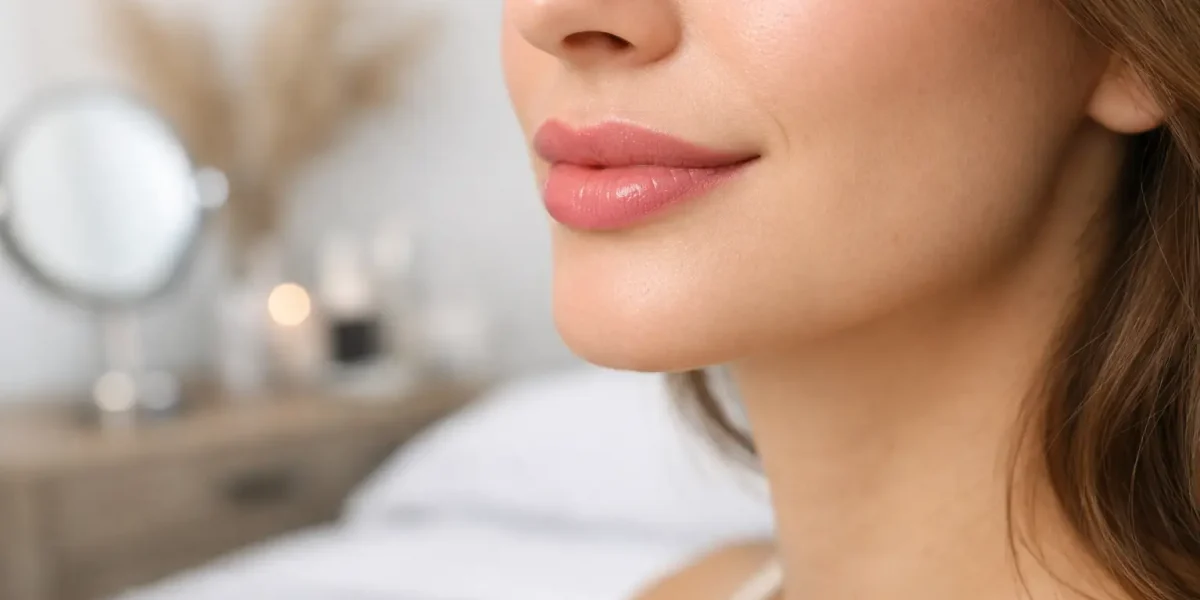
Fresh lip blush can look dramatically deeper than the final result. That is why a realistic lip blush healed results example matters more than a photo taken straight after an appointment. The first look is only the beginning. The healed result is where the artistry shows: a soft, balanced tint that improves lip definition without looking like heavy lipstick.
For women who want a polished, more even lip color with less daily makeup, lip blush can be a beautiful long-term enhancement. But it is not a one-day transformation. Healing, pigment retention, your natural lip tone, and the planned perfecting session all influence the color you see at the end.
What a healed lip blush result should look like
A successful healed lip blush result looks like your lips on their best day. The color is usually soft and translucent, not opaque or sharply outlined. It should restore visual balance to pale, uneven, or cool-toned lips while keeping the natural texture and movement of the lips visible.
Think of a sheer wash of color rather than traditional lipstick. Depending on the selected shade, healed lips may look rosier, warmer, more defined, or more even from one side to the other. The result should complement your skin tone and daily makeup style, not compete with it.
Lip blush can also create the appearance of more shape by improving the border and correcting small areas of uneven color. It does not create filler-like volume. If your main goal is physical fullness, lip blush alone will not change the structure of the lip. What it can do is make the lips look healthier and more refined, which often makes them appear more youthful.
Lip blush healed results example: from appointment to week six
Imagine a client with naturally pale lips, a slightly cooler center tone, and a top lip that appears less defined than the bottom lip. She chooses a neutral rosy nude that is stronger than her natural color but still soft enough for everyday wear.
Immediately after the procedure, her lips may look bright pink, warm, and slightly swollen. This is not her permanent color. Fresh pigment sits closer to the surface, and the skin is temporarily sensitized. The outline may also look more noticeable because the lips are a little puffy.
During the first three days, the color often appears bolder and deeper. Mild tenderness, dryness, and tightness are common. By days four through seven, light flaking can begin. The lips may look patchy as the outer skin sheds. This stage can test your patience, especially when you were expecting the fresh color to stay.
Around the second week, the lips can look unexpectedly pale or as if much of the pigment disappeared. This is often called the ghosting phase. It happens as the healing skin temporarily masks the implanted color. It is not a signal to panic or to judge the final outcome.
By weeks three and four, the color starts returning gradually. At six weeks, our example client sees a soft rose-beige tint rather than the vivid pink she saw on day one. Her cool center has been softened, the cupid’s bow is more visible, and she looks put together without liner or lipstick. Some areas may still need slight adjustment, which is exactly what the touch-up appointment is designed to assess.
This is the standard clients should use when viewing before-and-after photos: compare fully healed lips to fully healed lips. Fresh results can be exciting, but they are not an honest preview of long-term color.
Why healed color looks lighter than the fresh appointment
Lip blush is a form of cosmetic tattooing, but the desired finish is intentionally delicate. The skin heals over the pigment, and the final color generally settles lighter and softer than it appears immediately after treatment. The amount of visible color retained varies from person to person.
Natural lip undertone makes a major difference. Pale lips tend to show pigment clearly, while lips with stronger melanin or cooler, darker areas may require thoughtful color correction and more than one session for balanced coverage. A skilled artist chooses pigments and placement based on the lips in front of her, not a shade chart alone.
Your healing response matters too. Very dry lips, frequent sun exposure, smoking, certain medications, and picking at flakes can affect retention. So can a history of cold sores. Anyone prone to cold sores should speak with a qualified medical provider before treatment about appropriate preventive medication, since lip procedures can trigger an outbreak.
The goal is never to force a bold result in one appointment. Overworking the lip tissue to chase intensity can compromise healing. A controlled first session followed by a tailored touch-up is the smarter path to color that looks elegant and lasts.
What affects how long lip blush lasts
Healed lip blush commonly fades gradually over time, and many clients enjoy their color for one to three years before wanting a color refresh. Longevity depends on the original pigment choice, skin and lifestyle factors, sun exposure, and how much color intensity you prefer.
A lighter nude shade may fade more subtly and may need refreshing sooner than a more saturated berry or rose tone. That does not make one option better. It depends on whether you want an almost-bare-lip enhancement or a more noticeable everyday tint.
Aftercare protects your investment. Keep the lips clean and hydrated as directed, avoid picking or scrubbing, and follow your artist’s guidance around heat, swimming, exercise, and sun during early healing. Once healed, protecting your lips from UV exposure helps preserve a more even-looking tone.
How to evaluate lip blush before-and-after photos
A good portfolio should show a variety of natural lip tones, not only one type of client. Look for healed photographs where the color is visible but believable. The lip border should look clean and softly enhanced, without a hard dark outline that separates the lips from the face.
Pay attention to symmetry, but expect realism. Human lips are naturally asymmetrical, and permanent makeup can improve visual balance without making every curve identical. The strongest work respects the client’s anatomy rather than stamping on a generic shape.
Lighting can change how pigment appears, so ask whether the photo is fresh or healed and how long after the procedure it was taken. A trustworthy provider will explain the distinction clearly. They should also discuss what may require a second session instead of promising a perfect result on the first day.
Choosing a shade you will still love after healing
Bring your usual makeup habits into the shade conversation. If you wear clear balm most days, a subtle neutral blush may feel right. If you reach for rose, berry, or warm nude lipstick daily, you may prefer a shade with more presence after healing.
Your artist should consider your natural lip color, skin undertone, age, and the level of definition you want. The most flattering shade is rarely the trendiest color online. A shade that blends with your face will serve you better at work, on vacation, and on the days when you do not wear any other makeup.
Be clear about what you do not want as well. If you dislike orange tones, bright pinks, or a visible lip liner effect, say so. That conversation helps shape the pigment plan from the beginning.
The touch-up is part of the result, not an extra detail
A touch-up is where the healed canvas is refined. At this appointment, your artist can add color to areas that retained more lightly, fine-tune warmth or softness, and improve overall consistency. Not every client heals the same way, even with excellent aftercare.
Trying to evaluate lip blush before this stage is like judging a custom dress before the final fitting. The foundation is there, but small refinements create the polished finish. Plan for the full process, give your lips time, and choose an experienced professional who prioritizes healthy healing over rushed intensity.
At Isa Skincare, the focus is on results that enhance your natural beauty and feel confident long after the initial color has settled. The best healed lips do not announce the procedure. They simply make you look more like yourself, with color, balance, and confidence already in place.