
A change in vaginal tightness can affect more than intimacy. Some women notice less sensation, vaginal dryness, urinary leakage during exercise, or a feeling that their body does not quite feel like it did before childbirth, menopause, weight changes, or aging. This guide to vaginal laxity treatments is designed to help you separate real options from exaggerated promises, so you can choose care that supports your comfort, confidence, and goals.
Vaginal laxity is not a failure of your body, and it is not a one-size-fits-all concern. The best treatment depends on what has changed, where you feel it, your medical history, and whether your priority is function, appearance, sensation, or a combination of all three.
What Vaginal Laxity Can Mean
“Vaginal laxity” is a broad term, not a precise medical diagnosis. It may describe a subjective feeling of looseness, reduced friction during intercourse, or changes around the vaginal opening and perineum after delivery. For some women, the issue is primarily pelvic-floor muscle weakness. For others, it involves skin and tissue changes, hormone-related dryness, scar tissue, prolapse, or a combination of factors.
That distinction matters. A treatment intended to support collagen in external tissue will not correct significant pelvic organ prolapse. Pelvic-floor therapy may improve muscle coordination and bladder control, but it will not remove excess tissue. The strongest results begin with an honest assessment rather than selecting a treatment because it is trending online.
Seek an evaluation from a qualified gynecologic or pelvic-health professional promptly if you have pelvic pressure, a visible bulge, pain, bleeding, recurrent infections, painful intercourse, or new bladder or bowel symptoms. These signs deserve medical attention before considering any cosmetic or energy-based procedure.
Guide to Vaginal Laxity Treatments: Your Main Options
Pelvic-Floor Physical Therapy
For many women, pelvic-floor physical therapy is the most practical first step. A trained pelvic-floor therapist evaluates muscle strength, tension, coordination, breathing patterns, posture, and the way the pelvic floor responds during movement. Treatment can include individualized exercises, manual therapy, biofeedback, and education for daily habits that may contribute to symptoms.
Kegels are not always the answer. Some women have a pelvic floor that is too tense rather than weak, and repetitive tightening can worsen discomfort. Professional guidance helps ensure you are training the right muscles in the right way.
Physical therapy is especially valuable when laxity concerns come with urinary leakage, postpartum recovery needs, or reduced pelvic support. Results take consistency, but the benefits can be meaningful and long-lasting because the work improves function, not just appearance.
Hormonal and Medical Care for Menopause-Related Changes
Estrogen changes during perimenopause and menopause can cause thinning tissue, dryness, burning, irritation, and discomfort with intimacy. These symptoms can be mistaken for laxity, even when tissue support has not substantially changed.
A clinician may discuss moisturizers, lubricants, or prescription local hormone therapy when appropriate. These treatments are not designed to tighten the vagina, but improving tissue hydration and elasticity can make a significant difference in comfort and sexual wellness. Your medical history, including any history of hormone-sensitive conditions, should guide this conversation.
Non-Surgical Energy-Based Treatments
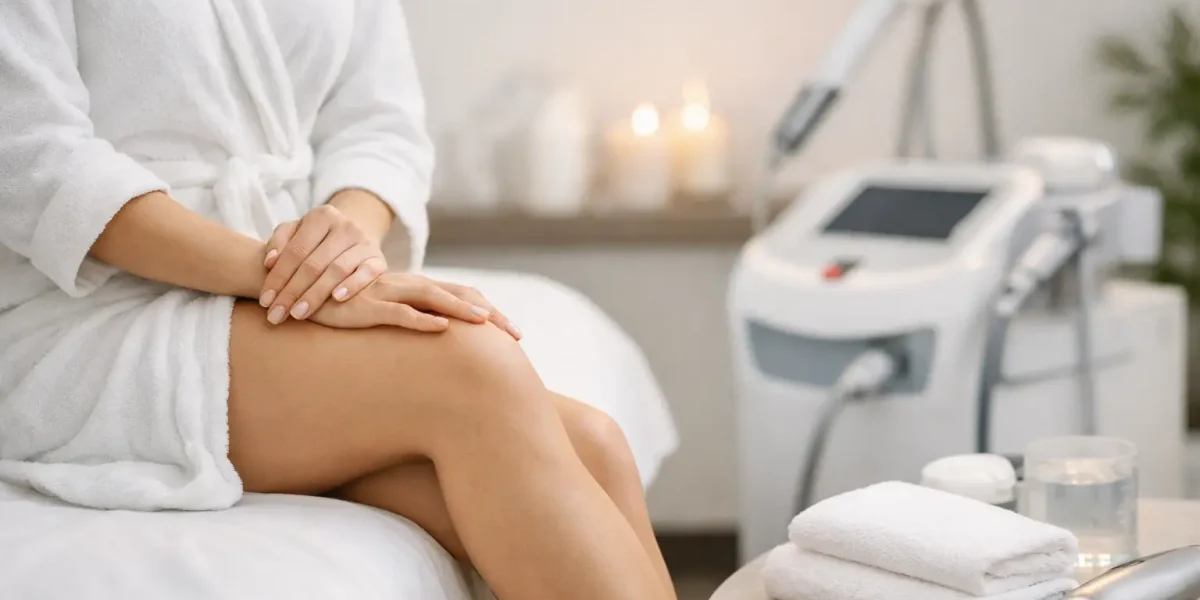
Radiofrequency and laser-based vaginal rejuvenation treatments are marketed to support collagen remodeling and improve tissue quality through controlled energy. Depending on the device and treatment area, the goal may be to address mild laxity concerns, dryness, or the appearance of external intimate tissue with little downtime.
This option can appeal to women who want a non-surgical approach, but it requires realistic expectations. Outcomes vary by device, technique, practitioner skill, tissue condition, and the concern being treated. Research is still evolving for many vaginal energy applications, and the FDA has raised concerns about marketing energy devices for unproven “vaginal rejuvenation” claims. Ask exactly what device is being used, whether it is intended for your concern, what evidence supports it, and what risks apply to you.
Potential side effects can include temporary swelling, redness, tenderness, discharge, burns, scarring, pain, or changes in sensation. A reputable provider will discuss these directly, screen for contraindications, and never pressure you into a package before determining whether you are a suitable candidate.
Injectable and Regenerative Approaches
Some practices offer treatments involving platelet-rich plasma, fillers, or biostimulating products for intimate concerns. These approaches may be discussed for specific external volume loss or tissue-quality goals, not as a universal fix for internal vaginal laxity.
This is an area where marketing can move faster than evidence. If you are considering injectables or regenerative treatments, ask what anatomical area will be treated, what the product is expected to do, how long results may last, and whether the use is approved or off-label. You should also understand the risks, including infection, unevenness, vascular complications, and the possibility that results may be subtle or temporary.
Surgical Vaginal Rejuvenation
Surgical options, such as vaginoplasty or perineoplasty, can be appropriate when there is substantial tissue separation, excess tissue, childbirth-related injury, or a functional concern that non-surgical care cannot adequately address. Surgery can offer a more dramatic structural change, but it also comes with anesthesia considerations, a longer healing period, expense, and potential complications such as pain, scarring, infection, or painful intercourse.
A board-certified gynecologic surgeon or urogynecologist should explain the procedure in detail and make sure your expectations are medically realistic. Surgery should never be presented as the default answer to normal age-related changes.
How to Choose a Provider With Confidence
Your intimate wellness deserves the same level of care you would expect from any advanced aesthetic or medical treatment. Look for a provider who begins with your concerns, not a sales script. They should clearly explain whether your goals are cosmetic, functional, or both, and refer you for medical evaluation when symptoms suggest another condition.
Before booking, ask about the provider’s training, the exact treatment plan, anticipated downtime, pain management, possible complications, expected number of sessions, and total cost. Request a clear explanation of what results are realistic for someone with your anatomy and concerns. Before-and-after images can be useful, but they should never replace a thorough consultation.
At Isa Skincare, the focus should always be on personalized care, informed choices, and treatments that align with your comfort level and aesthetic goals. Confidence grows when you understand both the potential benefits and the limits of every option.
Preparing for Your Consultation
Come prepared to describe what you have noticed and when it began. Mention childbirth history, menopause symptoms, urinary leakage, pain, prior pelvic procedures, medications, allergies, and any history of infections or skin conditions. If intimacy is part of your concern, you can be direct about changes in sensation, dryness, discomfort, or confidence. A skilled provider has heard these concerns before and should make the conversation feel respectful and private.
Avoid providers who promise permanent tightening from one treatment, guarantee a specific sexual outcome, dismiss medical symptoms, or describe a procedure as completely risk-free. The right plan may be a single treatment, a series, pelvic-floor therapy, medical care, or a referral. Sometimes the most expert recommendation is to wait or choose a less aggressive option.
Your body has carried you through real changes. Choosing treatment is personal, and there is strength in seeking answers that make you feel more comfortable, informed, and fully at home in your body.