
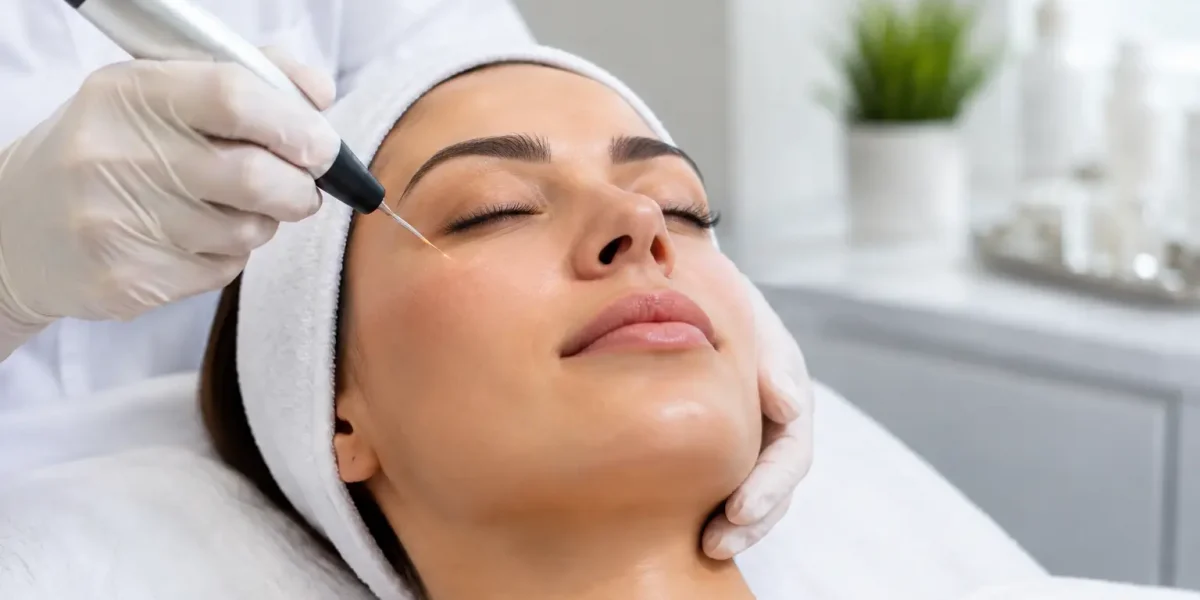
A plasma treatment should never feel like a casual beauty appointment. The tiny carbon crusts, the visible lift, and the healing process all begin with controlled skin trauma. That is exactly why plasma fibroblast safety depends on more than the device in a practitioner’s hand. It depends on candidacy, technique, hygiene, honest expectations, and the care you give your skin after you leave the treatment room.
For the right client, plasma-based skin tightening can be a powerful non-surgical option for areas affected by fine lines, crepey texture, and mild-to-moderate laxity. It can support a fresher, firmer look without injections or traditional surgery. But beautiful results come from respecting the treatment, not minimizing it.
What Plasma Fibroblast Treatment Does to the Skin
Plasma fibroblast treatments use a device that creates a small electrical arc above the skin’s surface. This creates controlled micro-injuries and tiny dots of sublimated tissue, which trigger the body’s wound-healing response. As the skin repairs itself, collagen remodeling can gradually improve the appearance of texture, lines, and laxity.
The immediate tightening effect can be exciting, especially around the upper eyelids, lower eyelids, mouth, neck, or other areas where skin has begun to lose definition. Still, the final result is not only about what you see on day one. Swelling and crusting are temporary stages of healing, while collagen changes continue over the weeks and months that follow.
This is not a facial, and it should not be marketed as one. A safe provider explains that plasma treatment creates a deliberate injury to the skin. That conversation protects you from being surprised by downtime and helps you make a confident, informed decision.
Plasma Fibroblast Safety Starts Before Treatment
The best safety step happens before any treatment begins: a detailed consultation. A skilled practitioner looks at your skin tone, skin condition, medical history, lifestyle, healing patterns, and the exact concern you want to address. A treatment that looks appropriate for one person may not be appropriate for another.
Your provider should ask about a history of raised scars or keloids, cold sores, pigment changes after injury, autoimmune conditions, diabetes, bleeding disorders, active skin infections, and medications or supplements that affect healing or clotting. Pregnancy and breastfeeding may also require postponing treatment, depending on the provider’s protocol and medical guidance.
Recent tanning matters too. Sun-exposed or recently tanned skin is already under stress and may have a higher risk of uneven pigment during healing. If you are using retinoids, exfoliating acids, or other active skincare products, your provider should give clear instructions on when to pause them. Do not assume your regular skincare routine is safe immediately before or after a plasma treatment.
Skin tone deserves an honest conversation. Post-inflammatory hyperpigmentation can occur after any procedure that injures the skin, and the risk may be higher in deeper skin tones or in anyone prone to discoloration after acne, cuts, or irritation. That does not automatically mean treatment is off the table. It means conservative planning, proper preparation, realistic expectations, and an experienced professional are essential.
The Provider and Device Matter More Than a Trend
Social media can make plasma procedures look simple: a few dots, a few days of crusting, then a dramatic before-and-after. In reality, safety is tied to training, judgment, and precision. The provider must understand facial anatomy, tissue response, contraindications, infection control, and how deeply or densely to treat each area.
A qualified professional should never rush through treatment or use the same setting and pattern on every client. Thin eyelid skin, for example, requires a very different approach from the skin around the mouth or on the body. Over-treating an area can increase the risk of prolonged redness, delayed healing, scarring, texture changes, or pigment concerns.
Ask direct questions before you book. Who performs the treatment? What training do they have with plasma technology? How do they decide whether you are a candidate? What is their plan if healing does not go as expected? A confident provider welcomes those questions because informed clients make safer choices.
You should also expect a clean, professional treatment environment. Single-use supplies, proper skin preparation, protective equipment, and thorough sanitation are not upgrades. They are basic standards. If a provider is vague about their protocols, pressures you to book immediately, or promises that every client gets the same result, choose a different provider.
At Isa Skincare, the focus is never on chasing a trend. It is on choosing the right treatment strategy for the person in front of you, with visible improvement and responsible healing as equal priorities.
What Normal Healing Looks Like
After treatment, pinpoint crusts and swelling are common. Swelling can be more pronounced around the eyes and may peak during the first few days. Redness, tenderness, tightness, and mild itching can also occur as the skin repairs itself.
The crusts should be left alone. Picking, rubbing, scrubbing, or trying to speed up peeling can remove healing tissue too early and raise the risk of scarring or discoloration. Let them shed naturally according to your provider’s instructions.
Healing timelines vary by treatment area, skin type, treatment intensity, and how closely aftercare is followed. Many clients can return to daily routines after the initial visible healing phase, but the skin may remain pink or more sensitive for longer. Plan your treatment around important events rather than assuming you will look camera-ready in a few days.
Aftercare Is Part of the Treatment
Your result does not end when the appointment does. Thoughtful aftercare protects the healing skin and supports a smoother outcome. Follow the exact protocol from your provider, especially if it differs from advice you have seen online.
For most clients, that means keeping the area clean, avoiding unnecessary touching, and using only approved aftercare products. Avoid heat, sweating, swimming, steam rooms, direct sun, and makeup until your provider says it is safe. Do not introduce exfoliants, retinoids, scrubs, or strong actives while the skin barrier is recovering.
Sun protection is especially serious after plasma treatment. UV exposure can make post-treatment discoloration more likely and may compromise the clarity of your result. Once the skin is ready for sunscreen, use the protection recommended by your provider consistently. A hat and shade are smart additions, particularly in bright climates or during outdoor activities.
Know the Difference Between Healing and a Warning Sign
A responsible consultation includes a plan for follow-up and a clear explanation of when to contact the provider. Normal swelling and temporary crusting are not the same as a complication.
Contact your provider promptly if you notice increasing pain, spreading redness, warmth, pus, fever, a foul odor, excessive blistering, or crusts that become unusually dark and painful. Reach out as well if you are concerned about delayed healing, significant pigment change, or an unexpected reaction. If symptoms are severe or you feel unwell, seek medical care.
No aesthetic provider should dismiss your concerns as “part of the process” without assessing what is happening. Early attention can make a meaningful difference when skin healing is not following the expected path.
Choose Results You Can Feel Good About
Plasma fibroblast treatment can be an appealing choice when you want noticeable refinement without surgical incisions. Yet it is not a substitute for every surgical procedure, and it is not the right answer for every degree of laxity. Significant loose skin, deep folds, or certain eyelid concerns may require a different approach for the safest and most satisfying outcome.
The strongest result is not simply a tighter-looking area. It is a treatment plan that respects your skin, your health history, your lifestyle, and your long-term confidence. Choose a provider who screens carefully, treats conservatively when needed, and stays available throughout healing. Your skin deserves expertise before the first plasma dot and support long after the crusts have disappeared.