
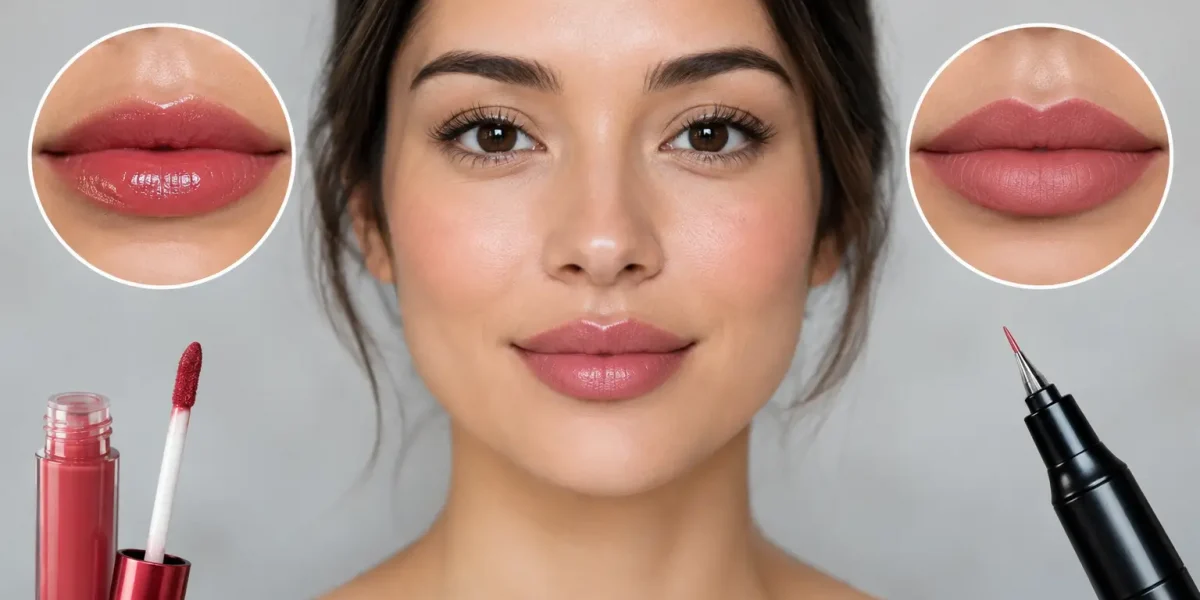
Your lips can look naturally more defined before you ever reach for liner or lipstick. But when clients ask about lip tint versus tattoo, they are often comparing two treatments that are described inconsistently online. The right choice is not about chasing the darkest color or the longest-lasting result. It is about choosing a permanent makeup approach that complements your lip shape, skin tone, lifestyle, and confidence.
A skilled artist can create anything from a soft, fresh blush of color to a more polished lipstick effect. The difference begins with the technique, pigment placement, and the result you want to wake up with every day.
Lip Tint Versus Tattoo: The Core Difference
In permanent makeup, the terms “lip tint,” “lip blush,” and “lip tattoo” are often used interchangeably. That can make booking feel more confusing than it needs to be.
A lip tint usually refers to a soft, translucent wash of pigment. The purpose is to restore healthy-looking color, improve symmetry, lightly define the lip border, and make the lips appear more even without looking heavily made up. Think of the effect as your natural lips on their best day.
A lip tattoo is a broader term. Technically, permanent makeup uses a tattooing method to implant pigment into the skin. Some people use “lip tattoo” to mean a bolder, more saturated permanent lipstick look. Others simply use it to describe any cosmetic lip pigmentation procedure.
The most useful question is not, “Do I want a tint or a tattoo?” Ask instead: “Do I want a sheer enhancement, medium definition, or a lipstick-style finish?” Your answer guides the pigment choice and the level of saturation your artist builds over the treatment and perfecting session.
What a Natural Lip Tint Can Do
A lip tint is ideal for women who are tired of looking washed out without makeup but do not want an obvious permanent lipstick effect. It adds color strategically, so the final result still looks like you.
This approach can soften the appearance of uneven tone, gently balance mild asymmetry, and bring clearer definition back to lips that have lost pigment over time. It can also save time in the morning. You may still enjoy your favorite gloss or lipstick, but you no longer need it just to feel polished.
The healed result is generally soft and personalized. Fresh pigment can look brighter, deeper, or warmer immediately after a procedure. As healing progresses, the color settles into a more natural shade. That is why experienced permanent makeup artists plan for the healed result rather than judging the treatment only by day-one color.
A natural tint is especially appealing if you prefer minimal makeup, work in a professional setting, or want a result that transitions easily from the gym to dinner. It enhances your features without announcing the procedure.
When a Lip Tattoo Look Makes More Sense
If you regularly wear lipstick and want dependable color without daily reapplication, a more saturated lip tattoo effect may be the better fit. This does not have to mean a harsh outline or a dense, dated finish. Modern permanent makeup can build color in refined layers for a defined look that still respects the natural shape of the lips.
A stronger result can be a beautiful choice for women whose lips have significant loss of color, a less-defined vermilion border, or noticeable unevenness in tone. It may also suit clients who want their lips to remain visible after foundation, sunscreen, or a long day of work.
There is a trade-off. More saturation can require more intentional aftercare, a longer visual adjustment during healing, and realistic expectations about how pigment will fade over time. Even a richly colored lip treatment is not the same as a tube of opaque lipstick. The skin’s natural undertone will continue to influence the healed color.
The best permanent makeup should never make you feel locked into a trend. A qualified artist helps you choose a shade that flatters you now and continues to feel wearable as your style evolves.
Healing Is Part of the Result
Whether you choose a lip tint or a more defined tattoo effect, healing has a major influence on the final appearance. Immediately after treatment, lips may be swollen and the pigment may look stronger than expected. This is temporary.
During the following days, the lips typically feel dry and begin to flake. The color can appear to fade dramatically before it resurfaces and settles. This stage can test your patience, especially if you are expecting the fresh color to remain unchanged. It will not.
Following your artist’s aftercare instructions protects the work. You may need to avoid picking or rubbing the lips, excessive heat, swimming, and products that can interfere with recovery. Keeping the area clean and using only recommended aftercare products gives the pigment its best opportunity to heal evenly.
Most clients need a perfecting session after the initial treatment. That appointment is not a sign that anything went wrong. It is where an artist can reinforce areas that healed lighter, fine-tune symmetry, and adjust color intensity once the skin has fully recovered.
How Long Does Each Option Last?
Both lip tints and lip tattoo treatments are forms of permanent makeup, but “permanent” does not mean the color stays identical forever. Lip pigment gradually softens as skin naturally renews itself. Sun exposure, skincare habits, immune response, smoking, and the original pigment depth can all affect longevity.
A soft lip tint may fade more subtly, which many clients love because it allows for flexibility over time. A more saturated treatment often leaves a stronger color presence as it fades, but it will still need periodic maintenance to stay fresh.
For many clients, a color refresh every one to three years is a realistic expectation. The exact timing depends on your skin, your desired intensity, and how much color you want visible without supplemental makeup. A consultation is the right place to discuss a maintenance plan based on your goals, rather than relying on a universal promise.
Choosing the Right Color for Your Lips
The best shade is not always the one that looks most beautiful in the pigment bottle. Your natural lip color, skin undertone, existing lip darkness, and overall contrast all matter. A pigment that appears nude on one client can heal too cool, too warm, or too light on another.
An experienced artist considers color theory before treatment begins. Darker or cool-toned lips may require neutralization before the desired pink, peach, or rose tone can be achieved. This is a process, not a shortcut. Trying to force a light shade over lips that need correction can create an uneven or unflattering result.
Bring inspiration photos, but stay open to professional guidance. Your goal should be a color that enhances your natural beauty, photographs well, and works with the makeup you actually wear.
Who Should Wait Before Booking?
Permanent lip color is not a one-size-fits-all appointment. If you have active cold sores, cracked or irritated lips, an infection, or a skin condition affecting the treatment area, wait until the issue has fully resolved and speak with an appropriate healthcare professional if needed.
Clients with a history of cold sores should disclose it before booking. A licensed medical provider may recommend preventive medication before a lip procedure. Pregnancy, breastfeeding, certain medications, recent lip fillers, and medical conditions may also affect whether treatment should be postponed. Honest pre-treatment screening protects both your comfort and your result.
At Isa Skincare, the focus is never simply on adding pigment. It is on creating balanced, confidence-building enhancement with a treatment plan that respects your features and your healing process.
The most beautiful choice in lip tint versus tattoo is the one that still feels like you when you look in the mirror without makeup. Choose your artist for their healed work, color knowledge, and willingness to recommend the right level of enhancement – not just the boldest before-and-after photo.