
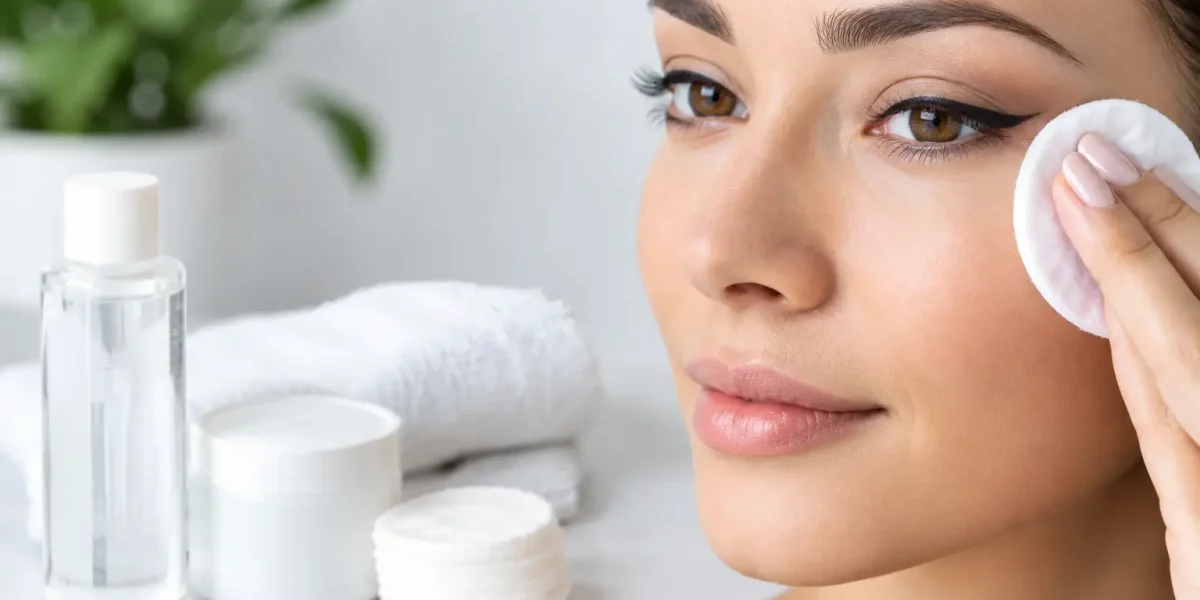
Your permanent eyeliner does not reveal its final beauty the moment you leave your appointment. The precision is already there, but the healing process determines how evenly the pigment settles and how refined your enhancement looks. These permanent eyeliner aftercare instructions are designed to protect your investment, support a clean recovery, and help your eyes heal with confidence.
Permanent makeup is a controlled cosmetic tattoo procedure performed along the lash line or lid. Even when the treatment feels straightforward, the eye area is delicate. For the next several days, your job is simple: keep the area clean, leave it alone, and resist the urge to judge the color too early.
The First 24 Hours Set the Tone
Mild swelling, tenderness, redness, and a deeper-than-expected color are common immediately after permanent eyeliner. Your liner may look stronger, sharper, or slightly uneven while the skin is swollen. This is temporary. Do not attempt to correct the shape at home by rubbing, wiping aggressively, or applying makeup over the area.
Keep your hands away from your eyes unless you have just washed them thoroughly. If lymph fluid appears during the first day, gently blot it with a clean, damp cotton pad or gauze as directed by your artist. Blotting is not scrubbing. Pressure, friction, and repeated wiping can irritate the skin and disturb freshly implanted pigment.
A cool compress held near the eyes can help with swelling, but never place ice directly on the treated skin. Use a clean barrier and keep the compress brief. Sleeping with your head slightly elevated on the first night may also make the next morning more comfortable.
Permanent Eyeliner Aftercare Instructions for Clean Healing
For the first 7 to 10 days, or for the exact timeframe given by your permanent makeup artist, treat your eyeliner as healing skin. Keep the area dry except for the gentle cleansing method recommended at your appointment. Many clients are advised to avoid direct shower spray on the face and to cleanse carefully around, rather than across, the eyes.
Use only the aftercare product and amount recommended by your provider. More ointment is not better. A thick layer can trap moisture, soften healing skin too much, and interfere with the natural recovery process. If your artist has instructed you to use a healing balm, apply the lightest possible veil with clean hands or a fresh disposable applicator.
Do not pick, scratch, peel, or pull at flakes. As the skin heals, tiny dry patches or light scabbing can develop along the lash line. Let them release naturally. Pulling them off before they are ready may lift pigment and leave the healed result looking patchy.
For a smooth recovery, avoid the following until the treated area has completely healed:
- Eye makeup, mascara, eyeliner, eyeshadow, lash glue, and makeup remover near the treatment area
- Lash extensions, lash lifts, tinting, and false lashes
- Swimming pools, hot tubs, saunas, steam rooms, and long hot showers
- Intense workouts that cause heavy sweating
- Sun exposure, tanning beds, and self-tanner near the eyes
- Retinol, exfoliating acids, chemical peels, and active skincare products around the eye area
These temporary limits are not about being overly cautious. Moisture, heat, sweat, bacteria, chemicals, and friction can all complicate healing. A few careful days protect a result meant to enhance your eyes for years.
What Healing Actually Looks Like
Permanent eyeliner usually goes through several visual stages. In the first few days, the color often appears bold. Then it can look darker as the surface begins to dry. As light flaking occurs, the liner may seem to fade dramatically or even disappear in places. This is often called the “ghosting” phase, and it can make clients worry that the pigment did not stay.
Be patient. As the skin completes its recovery, the color gradually resurfaces and settles into a softer, more natural-looking version of the initial result. Most clients need several weeks before the true healed tone is visible. The final color is influenced by skin type, immune response, lifestyle, medication, sun exposure, and how closely aftercare was followed.
There is a trade-off between the fresh look and the healed look. Fresh eyeliner is intentionally more saturated because some pigment is expected to soften as the skin heals. Trying to make it look lighter during recovery can create uneven retention. Let the process do its work before deciding whether you need an adjustment.
How to Shower, Sleep, and Handle Daily Life
You do not need to stop living your life, but a few adjustments make a real difference. When showering, keep your face away from direct water pressure. Wash your hair carefully so shampoo and conditioner do not run into your eyes. If you need to cleanse your face, use a clean cloth or cotton pad around the treated area without dragging it along the lash line.
Sleep on a clean pillowcase and avoid pressing your face into the pillow. If you are a side or stomach sleeper, try to spend the first few nights on your back when possible. Friction from bedding can irritate sensitive skin, especially when mild swelling is still present.
If you wear contact lenses, follow your artist’s specific instructions. Some providers recommend avoiding them immediately after treatment or using them only with exceptionally clean hands. Glasses may feel more comfortable during the first day or two, particularly if your eyes are watery or sensitive.
Sunglasses are useful outdoors, not only for style but also for shielding healing skin from sunlight, wind, and airborne debris. Choose frames that do not rub against your upper cheeks or lids. Once the area is fully healed, daily sun protection around the face can help preserve the clarity of your cosmetic tattoo over time.
When to Contact Your Provider or a Medical Professional
A little swelling and sensitivity are expected. Worsening pain, spreading redness, significant heat, thick discharge, fever, or swelling that increases rather than improves should not be ignored. Contact your permanent makeup artist promptly for aftercare guidance, and seek medical care if you believe you may be experiencing an infection or allergic reaction.
Do not self-treat a suspected problem with leftover antibiotics, steroid creams, or random eye products. The eye area requires extra care, and the right next step depends on what is actually happening. If you have a history of eye conditions, allergies, immune concerns, or are using prescription medications, those factors should be discussed before treatment and revisited if healing does not feel typical.
Why Your Touch-Up Matters
A touch-up is often part of the permanent eyeliner process, not a sign that anything went wrong. Skin does not retain pigment identically from one person to another. One eye may heal slightly lighter, a portion of the line may soften more than expected, or you may decide that you want a little more definition once the initial color has settled.
Wait until the timeframe recommended by your artist before booking or receiving an adjustment. Adding pigment too early can overwork healing skin. At Isa Skincare, the goal is never to rush the result. It is to create liner that complements your natural eye shape, lifestyle, and preferred level of definition.
Protect the Result Long After Healing
Once your eyeliner is healed, it should make your routine easier: brighter-looking eyes, more definition at the lash line, and less dependence on daily makeup. Long-term color retention varies, but sun exposure, exfoliating treatments, active skincare, and natural skin renewal can gradually soften the pigment.
Be thoughtful when scheduling facials, chemical peels, laser treatments, or resurfacing procedures near the eyes. Tell every skincare professional that you have permanent eyeliner so they can protect the area appropriately. A conservative approach is always wiser than risking a result you love.
The best aftercare is disciplined, not complicated. Keep the area clean, protect it from moisture and friction, allow every flake to fall on its own, and give the pigment time to settle. Your patience in the healing phase is what allows beautifully placed eyeliner to become the effortless, confidence-building enhancement you came in for.