
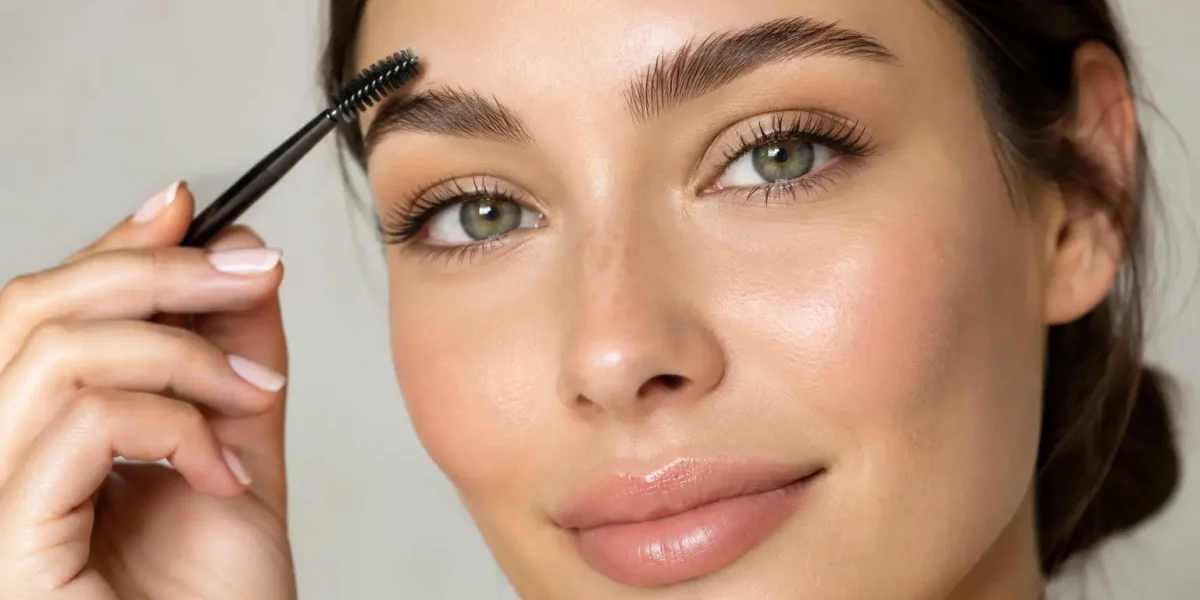
A brow that looks too perfect can make the entire face look harder. That is why natural brow trends 2026 are moving away from sharp, heavily outlined arches and toward softer definition that supports your features instead of overpowering them. The goal is not to look like you are wearing less makeup. It is to look like your brows have always been balanced, full, and beautifully placed.
For women investing in long-lasting beauty, this shift is especially welcome. A natural brow can still create lift, correct visual asymmetry, frame mature eyes, and bring polish to the face. The difference is in the artistry: every stroke, shadow, and curve needs to respect your bone structure, skin tone, hair pattern, and personal style.
What Natural Brow Trends 2026 Get Right
The strongest brow trend is not one fixed shape. It is customization. Brows are becoming less uniform because faces are not uniform. One person may benefit from a straighter, softly elevated tail to open the eye area. Another may need gentle fullness through the front of the brow, where years of overplucking or hormonal changes have left sparse areas.
Natural-looking does not mean unstructured. It means the structure is subtle. The front of the brow is airy rather than squared off, the arch is placed to flatter the eye rather than chase a stencil, and the tail finishes softly instead of ending in a severe point. When done well, the effect is refined enough for a polished event and believable enough for a makeup-free morning.
This is a powerful change for women who have spent years filling their brows daily. A well-designed enhancement can restore visual balance without creating the harsh, dark brow that often feels disconnected from the rest of the face.
Soft fronts replace blocky beginnings
The first few millimeters of a brow matter more than most people realize. A dense, squared front can make the brow look stamped on, especially as skin becomes thinner or makeup settles into texture. In 2026, the preferred front is feathered, light, and slightly imperfect by design.
That softness does not mean leaving a brow undefined. It means building pigment gradually so the color appears to emerge from the skin rather than sit on top of it. The front should blend into the natural brow hairs and fade naturally, creating a fresh, believable transition.
Lift is subtle, not exaggerated
A high, dramatic arch may create a temporary lifted effect in photographs, but it can also make the expression appear surprised or severe. The modern approach is more intelligent: use a controlled rise and a clean tail placement to create balance around the eyes.
For some clients, a small adjustment in the brow tail can make the eye area appear more open. For others, preserving a flatter arch is more youthful and authentic. The right brow shape depends on facial anatomy, existing hair growth, eyelid position, and the amount of lift you actually want to see in the mirror every day.
The New Definition of Full Brows
Fullness remains desirable, but the 2026 version is not dense from front to tail. The focus is strategic density. Sparse gaps are softened, uneven areas are balanced, and the brow gains enough depth to show up without makeup. Natural hair should still look visible whenever possible.
This matters because an overly saturated brow can age the face. It may look bold immediately after a procedure or under studio lighting, then feel too heavy once it becomes part of everyday life. A more nuanced approach gives the brow dimension. There is a gentle variation in density, a soft edge, and a color choice that complements the complexion rather than competing with it.
The best result is often one that people notice only after they notice how rested, symmetrical, and polished you look.
Warmth and color matching matter more than ever
Cool gray or overly dark brows are rarely the goal. Natural brow work in 2026 favors customized tones that harmonize with your skin undertone, natural hair color, and desired makeup style. A brunette does not automatically need a deep brown pigment. A blonde does not automatically need a taupe brow with no warmth.
Color also needs to be chosen with healing in mind. Fresh pigment can appear stronger before it settles, and the healed result may look different depending on skin type, skincare routine, sun exposure, and natural oil production. This is why pigment selection should never be rushed.
A skilled permanent makeup professional considers how a shade will age, not just how it looks on the day of treatment. The aim is a soft, wearable result that continues to flatter you as it heals.
Why Permanent Makeup Fits This Trend
Natural brow trends do not require permanent makeup, but permanent makeup can be an excellent solution when the goal is lasting definition with less daily effort. It is particularly helpful for clients with thinning brows, patchy regrowth, uneven arches, or limited time for a full makeup routine.
Modern permanent makeup should not be treated as a one-size-fits-all brow tattoo. The most beautiful work begins with careful mapping and a direct conversation about your lifestyle. Do you wear full glam makeup most days, or do you prefer a bare-faced look? Do you want a visible powdery finish, hair-like detail, or a combination that gives more depth? How much natural brow hair is present now?
Those answers shape the design.
A soft powder brow can create the appearance of makeup without a hard border. Hair-stroke techniques can be appealing when there is enough existing hair to blend with the work, though they are not ideal for every skin type. A hybrid approach may offer the most balance for clients who want realistic texture with added density. The method should follow the face and skin, not a passing social media trend.
At Isa Skincare, the focus is on creating enhancements that support natural beauty and individual facial balance. A brow treatment should feel like an investment in confidence, not a feature you feel compelled to cover or correct later.
What to Avoid When Choosing a Natural Brow Look
Trend photos can be useful for showing the level of softness you like, but they should not be copied exactly. The brow that flatters a 25-year-old with dense hair and an oval face may not serve a woman with mature skin, hooded eyes, or a naturally asymmetrical brow line.
Avoid choosing a shape solely because it is dramatic in a filtered before-and-after image. Ask to see healed results, because that is the real measure of color, softness, and placement. Also be cautious with requests for very dark pigment if your natural coloring is light or your everyday makeup is minimal. Intensity can be added through cosmetics when desired, while overly strong pigment is much harder to soften.
It is also wise to protect the result after treatment. Follow your practitioner’s aftercare instructions closely, avoid picking as the area heals, and understand that sun exposure and active skincare products can affect how brows fade over time. A maintenance plan is part of choosing a long-lasting enhancement.
A Better Brow Is One That Still Looks Like You
The most exciting part of the natural brow movement is that it gives women permission to stop chasing identical brows. Brows are sisters, not twins, and a small amount of natural variation is often what makes a result believable.
Your ideal brow may be softly full, gently lifted, and almost invisible as a cosmetic procedure. Or it may have more definition because that is how you feel most confident. Both can be natural when the proportions, pigment, and shape are chosen with intention.
Bring reference photos to your consultation, but bring your real face into the decision even more. The right brow should make getting ready easier, soften the features you want softened, and let your confidence show before anyone notices the makeup behind it.