
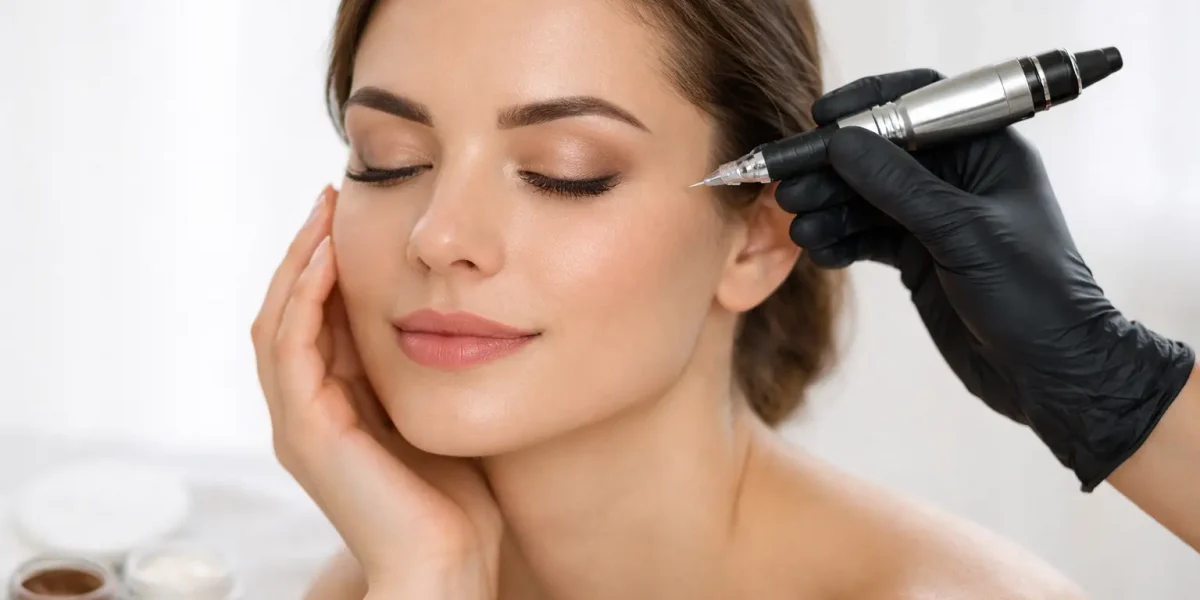
Permanent makeup can look beautifully polished on day one, then disappoint months later if aftercare is treated like an afterthought. If you want to maintain permanent makeup results, the real work starts after your appointment – not because the treatment is high maintenance, but because healed pigment responds to your skin, your routine, and your environment.
Why permanent makeup fades faster for some people
Permanent makeup is designed to last, but it is not static. Brows, lip blush, and eyeliner all soften over time because the body gradually breaks down pigment, skin naturally exfoliates, and daily habits add extra wear. That fading is normal. What changes the timeline is how your skin behaves and how carefully you protect the area once it heals.
Oily skin tends to blur and fade pigment faster than dry or balanced skin. Clients with larger pores or active oil production often notice softer healed results sooner, especially with brow work. Sun exposure also plays a major role. UV breaks down pigment and can shift tone, which is why unprotected outdoor time is one of the biggest reasons color loses its crispness.
Skincare can be another hidden factor. Retinoids, exfoliating acids, peels, and resurfacing treatments may be excellent for texture and anti-aging, but when they are used too close to a tattooed area, they can lighten the pigment earlier than expected. Even frequent facials can affect longevity if the provider is not told where your permanent makeup sits.
Your immune response matters too. Some people simply metabolize pigment faster. That does not mean the treatment failed. It means your maintenance plan needs to be smarter and more personalized.
The first weeks decide how well you maintain permanent makeup results
Fresh permanent makeup does not represent the final healed color. In the first several days, pigment often looks darker, sharper, or warmer than expected. Then the skin begins to flake, the color can appear patchy, and many clients assume they are losing the result. What is actually happening is part of normal healing.
This stage is where discipline pays off. Picking, scratching, rubbing, over-cleansing, and soaking the area can pull pigment out before it settles. Heat and sweat can also interfere with healing, especially in the first week. That means hot yoga, steam rooms, saunas, swimming, and intense workouts are usually not your friend right away.
A clean, dry, protected approach works best. Follow the specific aftercare instructions you were given instead of mixing advice from social media, friends, and generic tattoo forums. Brows do not heal exactly like lips, and lips do not heal exactly like eyeliner. Precision matters.
If your provider recommends a healing balm, use only the amount advised. More product does not mean better healing. Over-occluding the skin can create unnecessary moisture and interfere with proper recovery. The goal is balanced healing, not heavy coating.
Daily habits that protect your color
Once the area is fully healed, maintenance becomes part of your normal beauty routine. The good news is that the most effective habits are simple.
Sun protection is non-negotiable. If you are serious about keeping pigment fresh, SPF belongs in your daily routine, not just at the beach. For brows and lip blush, sun exposure is one of the fastest ways to lose vibrancy. A hat, sunglasses, and consistent SPF use go further than people realize.
You also want to be strategic with active skincare. Keep retinol, glycolic acid, salicylic acid, and strong exfoliants away from the tattooed area unless your provider has told you otherwise. This is especially important if you invest in advanced skin treatments. Skin rejuvenation and permanent makeup can absolutely work together, but they need to be coordinated, not layered carelessly.
Hydration helps too, particularly for lip blush. Dry, cracked lips do not hold a smooth-looking finish. A quality lip conditioner and good water intake can make healed color look healthier and more even. For brows, avoid aggressive rubbing during makeup removal or cleansing. Small repeated friction adds up.
Touch-ups are part of the plan, not a sign something went wrong
One of the biggest misunderstandings around permanent makeup is the idea that one appointment should carry perfect results for years. In reality, touch-ups are part of maintaining shape, color, and definition.
The first perfection session is often scheduled after the initial healing phase. This is where uneven retention, softer spots, or minor shape refinements are addressed. It is not extra. It is part of building the finished result. Skipping this appointment is one of the most common reasons clients feel their permanent makeup did not last the way they hoped.
After that, maintenance timing depends on the area treated, the pigment used, your skin type, and your lifestyle. Some clients benefit from a refresh around the 12-month mark. Others can go longer. Oily skin, frequent sun exposure, fast cell turnover, and regular exfoliating treatments usually shorten that window.
The smartest approach is not waiting until the pigment has almost disappeared. A color boost while there is still visible structure usually keeps the result cleaner and more predictable than starting over from a heavily faded canvas.
How different treatments affect longevity
Not all permanent makeup ages in the same way. Brows, lips, and eyeliner each have their own maintenance pattern.
Brows
Brows are most affected by skin type and skincare. Oily skin can cause strokes to soften sooner, while powder-style brows often age more evenly in clients with active oil production. If you use brow serums, exfoliating toners, or anti-aging creams across the forehead area, be mindful of migration into the tattooed zone.
Lip blush
Lip blush depends heavily on healing behavior and hydration. Picking dry skin from the lips can remove retained pigment early. Sun exposure, smoking, and frequent lip irritation can also shorten how long the color looks vibrant. Lip blush often benefits from more consistent maintenance because the lips are exposed to so much daily friction.
Eyeliner
Eyeliner tends to hold well, but the eye area is sensitive during healing. Rubbing your eyes, using lash growth products too close to the treatment site, or applying strong removers can affect longevity over time. If you wear contact lenses or false lashes, following post-treatment guidance carefully matters even more.
What to avoid if you want longer-lasting results
The biggest threats to lasting pigment are not always dramatic mistakes. Usually, it is the repeated habits clients do not realize are affecting their investment.
Over-exfoliating the face, using resurfacing products too close to the area, skipping SPF, exposing fresh work to sweat and steam, and delaying touch-ups too long can all shorten the life of your result. Chemical peels, laser treatments, and some advanced facials may also fade permanent makeup if not planned properly.
This does not mean you have to choose between skin rejuvenation and permanent makeup. It means your treatment plan should be intentional. If you receive aesthetic services regularly, tell every provider where you have permanent makeup and when it was last done. Experienced professionals adjust protocols to protect both your skin and your pigment.
When fading is normal and when it needs attention
Soft fading is expected. Strange color shifts, uneven patches long after healing, or poor retention in one isolated area may need a professional assessment. Sometimes the reason is simple, such as post-care issues or skin oil. Other times it can come down to pigment selection, depth, scar tissue, or prior work underneath the new application.
This is why provider experience matters. Permanent makeup is not just about creating a good shape. It is about understanding skin, healing, facial balance, and how results will age over time. A strong artist plans for the healed result, not just the fresh one.
At Isa Skincare, that long-view approach matters because beautiful results should still look intentional months later, not only when you leave the treatment room.
The best way to maintain permanent makeup results over time
If you want your permanent makeup to stay elegant, soft, and defined, think of it the same way you think about any premium aesthetic service. Protect it. Maintain it. Do not wait for obvious fading before you pay attention.
Good healing, smart skincare boundaries, daily SPF, and well-timed refresh appointments make the difference between pigment that ages gracefully and pigment that disappears faster than it should. There is no one-size-fits-all timeline, and that is exactly why expert guidance matters.
Permanent makeup should make your routine easier and your features more polished. When you respect the healing process and maintain it with intention, the result stays closer to what you invested in – confidence you can wake up wearing.