
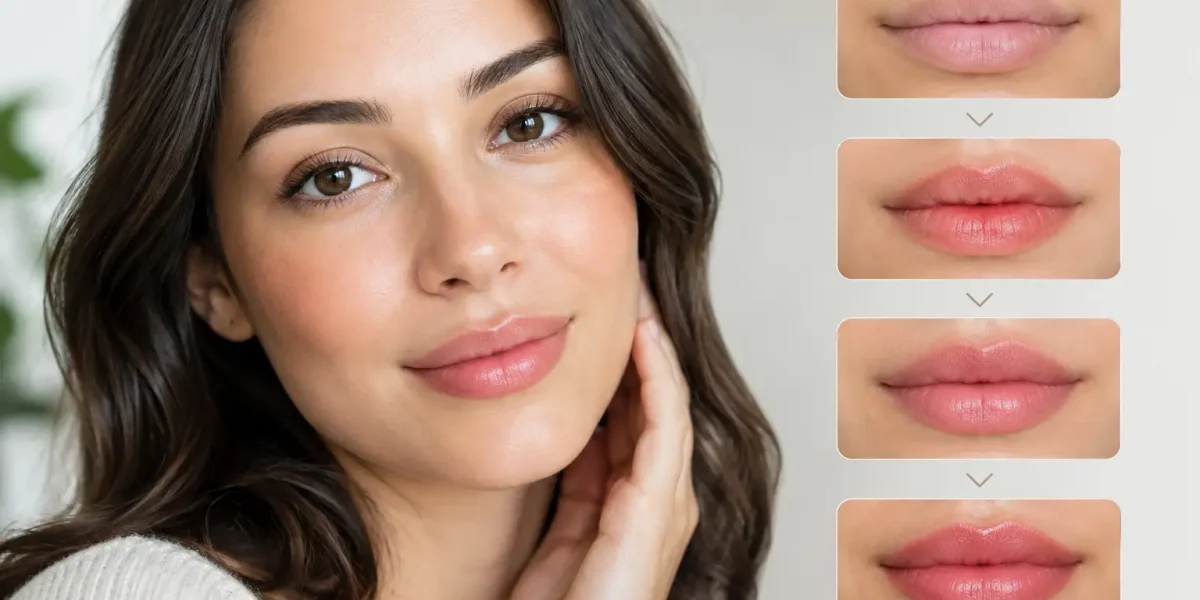
Your new lip blush may look brighter, bolder, and more defined than you imagined on day one. That is not your final result. The lip blush healing stages are a gradual color-settling process, and knowing what comes next helps you protect your investment without second-guessing every change in the mirror.
Lip blush is designed to enhance your natural lip tone, improve the look of symmetry, and create a polished appearance that can reduce the need for daily lipstick. Like any permanent makeup service, the most beautiful healed result depends on two things: precise artistry during the appointment and disciplined aftercare afterward.
Lip Blush Healing Stages: A Day-by-Day Timeline
Every client heals differently based on skin type, lifestyle, immune response, chosen pigment, and how carefully aftercare instructions are followed. Still, most clients move through a familiar pattern over four to six weeks.
Days 1-2: Bright color, swelling, and definition
Immediately after your appointment, your lips will usually appear more vivid and more sharply outlined than the healed result. This is expected. Fresh pigment sits close to the surface, and mild swelling can make the lips look fuller or slightly uneven for the first day.
You may feel tenderness, tightness, or mild dryness. Your artist will give you specific instructions for cleansing and moisturizing, so follow those directions exactly rather than borrowing a routine from social media. Keep your lips clean, use only approved aftercare products, and avoid touching them unless your hands have been washed.
For the first 24 to 48 hours, avoid hot drinks, spicy foods, alcohol, heavy exercise, kissing, swimming, and anything that creates excess heat, moisture, friction, or bacteria around the mouth. Drink through a straw if your artist recommends it. This is a short period of care for a result meant to support your confidence for years.
Days 3-5: Dryness and flaking begin
As the initial swelling settles, your lips can feel dry, tight, or chapped. Fine flaking often begins during this phase. The color may still look intense, but it can also appear patchy as the surface skin starts to shed.
Do not pick, pull, scrub, or bite at flakes. It can be tempting, especially if one area seems ready to lift away, but forced peeling can remove pigment before it has properly settled. Let the skin release naturally.
This is also the time to stay committed to the basics. Continue avoiding lip exfoliants, retinol near the mouth, acids, facial treatments, and direct sun exposure. A clean healing environment gives your lips the best chance to retain color evenly.
Days 5-10: The peeling stage
For many clients, this is the most emotionally challenging part of healing. The lips may peel in small pieces, and the color underneath can look lighter, uneven, or temporarily dull. Some areas may look as though the pigment disappeared completely.
Do not panic. This stage is often called the ghosting phase because fresh skin can initially mask the pigment as healing continues underneath. It is normal for the lips to look less impressive before they look beautiful again.
Your job is not to fix the color at home. Avoid lipstick, lip liner, gloss, or tinted balms until your artist clears you to use them. Cosmetics can introduce bacteria, irritate the area, and make it harder to see how your lips are genuinely healing.
Weeks 2-4: Color returns and softens
Once peeling ends, the lips often look much lighter than the color selected during the appointment. Then, gradually, pigment starts to reappear as the skin completes its renewal cycle. This is when the tone becomes softer, more natural, and more integrated with your own lip color.
You may notice that one area develops faster than another. Slight differences during this phase are common. Healing is not always perfectly symmetrical, particularly if your lips were naturally uneven in color, had previous sun damage, or experienced different levels of dryness.
Continue protecting your lips from the sun. UV exposure can affect the way pigment settles and may lead to premature fading over time. A lip product with sun protection is a smart long-term habit once your artist confirms your lips are fully healed.
Weeks 4-6: Your healed result takes shape
By around four to six weeks, you should see a much clearer picture of your healed lip blush color. The final shade is usually softer than the fresh application, often healing 30% to 50% lighter depending on the pigment, your natural lip tone, and your body’s retention.
This is the appropriate time to assess whether you need a perfecting session. Lip blush is commonly completed in two appointments because the first session establishes the shape and foundation, while the touch-up refines color, corrects small gaps, and adds intensity where needed. That is not a failure of the first treatment. It is part of creating a polished, lasting result.
What Can Affect Your Lip Blush Healing Results?
No two lips retain pigment in exactly the same way. Oily skin, frequent sun exposure, smoking, dehydration, certain medications, and aggressive skincare can all influence healing and longevity. Clients with very pale, cool-toned, dark, or uneven natural lips may also need a more customized pigment approach or additional sessions to reach the desired result.
Cold sores deserve special attention. If you have a history of fever blisters or cold sores, lip tattooing can trigger an outbreak. Let your artist know before booking. You may need guidance from your medical provider about preventive antiviral medication before your appointment.
Your artist should also know about pregnancy or breastfeeding, allergies, recent lip filler, autoimmune conditions, blood-thinning medication, active skin irritation, and previous permanent makeup. A confident treatment plan starts with an honest consultation, not rushed assumptions.
Aftercare That Protects Your Color
The best aftercare is simple, consistent, and gentle. Keep your lips clean, apply only the product your artist approves, and resist the urge to test the area with makeup or exfoliation. For the first week, your lips need calm conditions more than they need extra products.
Avoid saunas, steam rooms, pools, ocean water, intense workouts, and long periods of direct sun while the skin is actively healing. Heat and moisture can interfere with recovery, while sweat and water exposure increase the chance of irritation. If you are planning a beach vacation, a major event, or a dental procedure, schedule your lip blush appointment with enough time to heal comfortably.
Long term, hydration and sun protection make a visible difference. Lip blush gives you a refined base, but it does not replace everyday care. Healthy lips hold their beauty better.
When to Contact Your Artist or Medical Provider
Mild swelling, tenderness, dryness, flaking, and temporary color changes are common during lip blush healing stages. Severe pain, spreading redness, significant warmth, pus, a rash, fever, or swelling that worsens rather than improves are not typical healing signs. Contact your artist promptly and seek medical care when appropriate.
If you are unsure whether something is normal, ask. A skilled permanent makeup artist wants to support you through the healing process and would rather answer a question early than have you make a well-intended mistake with aftercare.
Beautiful lip blush is not about looking heavily made up. It is about waking up with a more balanced, fresh-looking lip color that still feels like you. Give your healing lips patience, protection, and the expert care they deserve, and let the final color reveal itself in its own time.