
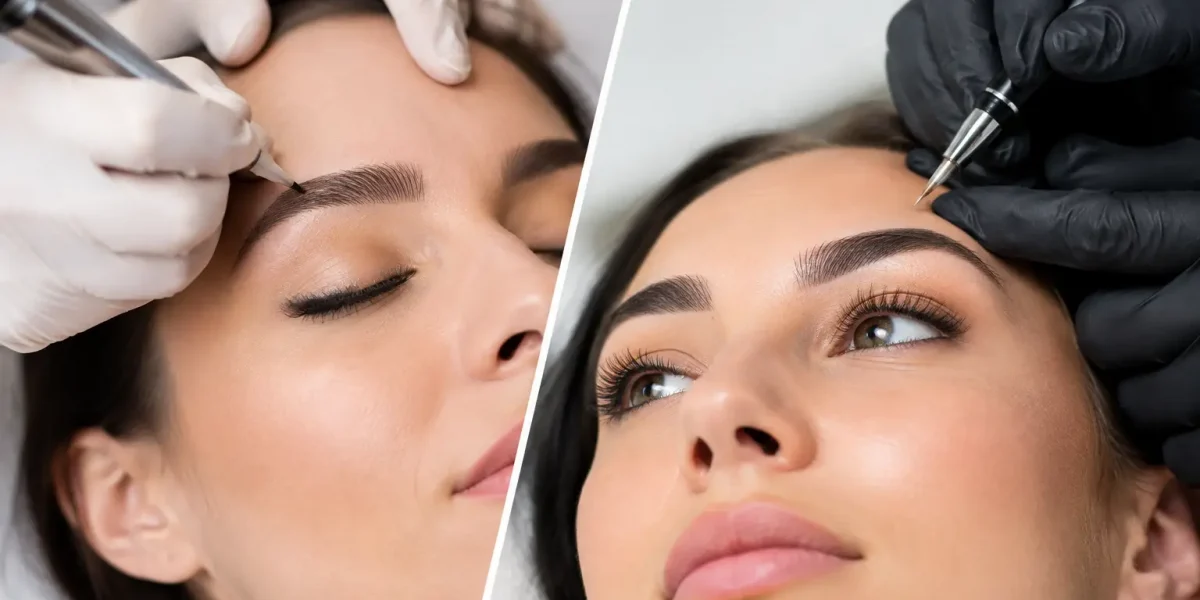
A brow appointment should never begin with a trend. It should begin with your skin, your lifestyle, and the result you want to see when you wake up every morning. In the conversation around permanent makeup versus microblading, the names are often used as if they mean the same thing. They do not. One is a broad category of cosmetic tattooing; the other is a specific brow technique with a very particular finish, healing pattern, and set of limitations.
The right choice can create balanced, polished brows that make the entire face look more defined. The wrong choice can leave you with a result that fades unevenly, heals poorly, or simply does not match your natural features. A personalized consultation is where beautiful, long-lasting work begins.
What Permanent Makeup Really Means
Permanent makeup, also called cosmetic tattooing or micropigmentation, is the umbrella term for placing pigment into the skin to enhance facial features. It can be used for brows, eyeliner, lip color, beauty marks, scar camouflage, and more. Although the name says “permanent,” the color does not stay crisp and unchanged forever. Pigment gradually softens and fades over time, which is why maintenance appointments are commonly needed.
For eyebrows, permanent makeup can be created with several methods. A machine may implant pigment in soft, controlled layers to create powder brows, ombré brows, a shaded makeup effect, or a combination brow that pairs delicate hairstrokes with shading. The finish can be subtle and airy or more polished and defined, depending on your facial structure, natural brow density, skin type, and daily makeup preferences.
This versatility is one of permanent makeup’s greatest strengths. A skilled artist is not limited to one pattern or one look. The goal is to enhance your natural beauty with shape, color, and density that feel intentional, not stamped on.
What Is Microblading?
Microblading is a manual eyebrow technique within the permanent makeup family. Instead of a cosmetic tattoo machine, the artist uses a handheld tool with a row of very fine needles. The tool creates tiny, hair-like strokes in the skin, and pigment is placed into those strokes.
When it heals well, microblading can mimic the look of individual brow hairs. It is often appealing to clients with sparse brows who want a natural, feathered result rather than a visibly filled-in makeup look. For the right candidate, it can restore visual fullness while still allowing the brows to look soft and believable up close.
But microblading is not automatically the most natural choice for every person. Skin texture, oil production, past brow tattooing, sun exposure, skincare habits, and the amount of existing hair all influence whether those fine strokes will heal cleanly. A beautiful fresh set of microbladed brows is only part of the story. The healed result matters more.
Permanent Makeup Versus Microblading: The Core Difference
The clearest difference is technique. Permanent makeup can include machine shading, machine hairstrokes, ombré effects, combination brows, and other cosmetic tattoo methods. Microblading uses a manual blade to create hairstroke-style incisions.
That technical difference affects the final appearance. Microblading is designed around individual strokes. Machine-applied permanent makeup can create a soft powder finish, a more defined brow, or a combination of texture and shading. Neither is automatically better. The better option is the one that will heal predictably on your skin and still suit your face as it fades.
It also affects flexibility. If you love the appearance of softly penciled brows, have little natural hair to blend with, or need greater visual density, powder or combination brows may give you a more consistent result. If you have normal to dry skin, fine pores, healthy brow-area skin, and want light hairstroke detail, microblading may be a strong option.
Your Skin Type Can Change the Answer
Oily skin is one of the biggest reasons a consultation matters. Excess oil can cause microbladed strokes to expand, blur, or fade more quickly during healing. Rather than looking like crisp hairs, the result may soften into a less defined texture. This does not mean oily-skinned clients cannot enjoy brow enhancement. It means a powder or combination technique may be more flattering and more dependable over time.
Mature skin also deserves special consideration. Skin that is thin, crepey, highly sun-damaged, or lacking elasticity may not hold fine manual strokes as clearly as smoother, firmer skin. Trying to force a delicate hairstroke pattern into skin that cannot support it is not artistry. It is a setup for disappointment.
Machine shading can be an excellent choice for many mature clients because it creates a soft, lifted-looking brow without relying on every individual stroke to remain visible. The correct shape and color can bring structure back to the face while keeping the result elegant rather than harsh.
Clients with very dry skin may hold microblading strokes beautifully, but that is not a guarantee. Previous tattoo work, medications, exfoliating products, retinoids, and immune response can all affect pigment retention. Honest recommendations are more valuable than a one-size-fits-all service menu.
Longevity, Fading, and Maintenance
Both microblading and other permanent makeup brow methods fade gradually. Most clients should expect to refresh their brows periodically to maintain color and definition. How often varies widely. Skin type, pigment color, UV exposure, skincare routine, and lifestyle all play a role.
Microblading often requires a touch-up after the initial session because the skin may not retain every stroke evenly. Many clients then return for a color boost around every 12 to 18 months, though some need maintenance sooner and others can wait longer. Results should never be promised on an identical timeline for every client.
Powder brows and machine-shaded permanent makeup can sometimes appear more consistent as they fade, especially on oilier skin. They tend to soften gradually rather than depending on the sharpness of ultra-fine lines. Still, “long-lasting” does not mean maintenance-free. A refreshed brow shape and color can be a smart part of a long-term beauty plan.
Healing Is Part of the Treatment
Expect the brow color to look darker and more defined immediately after either procedure. During the first week, mild redness, tenderness, dryness, flaking, and temporary darkening are common. As the skin heals, the color can appear to fade dramatically before it settles back in. This healing phase is normal, but it requires patience.
Aftercare protects your investment. Keep the area clean, follow the practitioner’s instructions, avoid picking or scratching, and pause activities that cause heavy sweating if advised. Swimming, steam rooms, direct sun, exfoliating products, and certain active skincare ingredients may need to be avoided during early healing.
Do not schedule brow work immediately before a beach vacation, a major event, or a time when you cannot follow aftercare. You want to give your skin every advantage to heal beautifully. Fast healing is valuable, but rushing the process is never the goal.
Color Choice Is More Than a Preference
A flattering brow pigment is selected with more than your favorite pencil shade in mind. An experienced artist considers your natural hair color, skin undertone, existing brow hair, age, and the way pigment may shift as it heals. A color that looks perfect when freshly applied may settle softer, cooler, or warmer once the skin has recovered.
This is another reason to avoid choosing solely from social media photos. Many images show brows immediately after treatment, when color is stronger and the work has not yet healed. Ask to see healed results on clients with skin similar to yours. Precision in shape, pigment selection, and placement creates the confidence-building transformation you are actually investing in.
Who Should Delay or Avoid Brow Tattooing?
A reputable provider will screen for factors that may make treatment unsuitable or require medical clearance. Pregnancy or breastfeeding, active skin infections, uncontrolled diabetes, a history of problematic scarring, certain blood-thinning medications, recent cosmetic procedures, and some dermatologic conditions can affect safety or healing.
If you are using prescription retinoids, have had recent peels or laser treatments, or are managing an autoimmune condition, disclose it before booking. Never stop prescribed medication without speaking to your medical provider. A qualified practitioner can explain whether treatment should be postponed and what preparation is appropriate.
How to Choose the Right Brow Method
Start by deciding how you want your brows to look on an ordinary Tuesday, not just in a filtered photo. Do you want soft fullness, defined arches, realistic hair detail, or a makeup-ready powder finish? Then consider your skin type and how much maintenance you are comfortable with.
At Isa Skincare, the focus is not on forcing every face into the same technique. It is on creating a customized enhancement that supports your features, your skin, and your confidence. An expert assessment should include your brow history, your current skincare routine, the amount of natural hair you have, and your desired level of definition.
Choose a practitioner whose healed work is consistent, whose sanitation practices are clear, and whose advice remains honest even when it means recommending a different technique. The best permanent makeup does not announce itself from across the room. It quietly gives you the polished, balanced look that feels like you on your best day.