
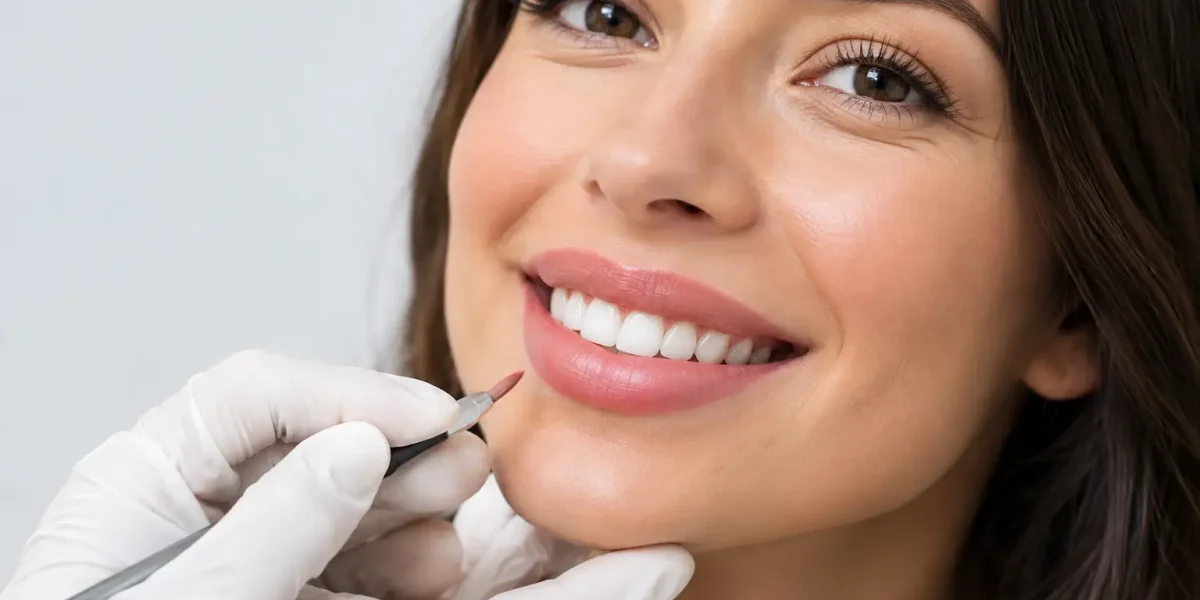
A gray, purple, deeply brown, or uneven lip tone can make even a beautiful lip shape feel less defined. Lip pigment correction is a specialized permanent makeup treatment designed to balance unwanted undertones before adding a more flattering, natural-looking color. It is not about creating a heavy lipstick effect. Done correctly, it restores harmony, softness, and confidence in every smile.
For women who are tired of concealer, lip liner, or constantly reapplying color to feel polished, this treatment offers a long-lasting way to enhance what is already there. The key is artistry, color theory, and an honest assessment of your natural lips before a single pigment is placed.
What Is Lip Pigment Correction?
Lip pigment correction, sometimes called lip neutralization, uses carefully selected warm pigments to counter cool or dark undertones in the lips. Many clients have natural melanin-rich lips with areas of blue, gray, purple, or deep brown pigmentation. Others experience uneven color after previous lip tattooing, scarring, sun exposure, smoking, hormonal changes, or simple genetics.
The goal is not to erase your natural pigment in one appointment. Instead, a trained permanent makeup artist gradually shifts the visible tone toward a healthier, more even base. Once the lips have neutralized and healed properly, a custom blush shade can be added if desired.
Think of it as color correction for the lips, not camouflage. The most convincing results preserve dimension and work with your skin tone, natural lip color, and desired level of definition.
Why Correcting the Undertone Comes First
Applying a pink or nude pigment directly over cool, dark lips can produce disappointing results. The healed color may look ashy, muted, patchy, or unexpectedly purple. That is because permanent makeup pigment interacts with the existing tone beneath it. A beautiful shade in the pigment cup is not automatically the shade that will appear after healing.
Correction begins with the undertone. Depending on the lips, an artist may use orange, coral, peach, warm red, or another customized modifier to offset coolness. This is where experience matters most. Too much warmth can heal overly orange. Too little may not meaningfully shift the underlying tone. The right formula is personal, precise, and adjusted as the lips heal over time.
A proper consultation should include a close evaluation of the lip border, natural color variations, previous cosmetic tattooing, and your skin’s undertone. Your artist should also explain what is realistically achievable in one session versus several. Strong results come from a thoughtful plan, not a rushed promise.
Who Can Benefit From Lip Pigment Correction?
This treatment is especially valuable for clients whose lips appear darker in the center, cooler around the edges, or uneven from one side to the other. It can also help women who want their lips to look more awake without relying on daily color cosmetics.
You may be a good candidate if your lips have:
- Blue, purple, gray, or brown undertones
- Uneven areas of natural pigmentation
- A faded or discolored previous lip tattoo
- A lip border that has lost visible definition
- A desire for a soft, polished lip color rather than a dramatic lipstick look
Not every concern should be treated immediately. Active cold sores, broken skin, infections, certain medical conditions, recent injectable treatments, and pregnancy or breastfeeding may require postponing treatment. Anyone with a history of cold sores should speak with their medical provider about antiviral prevention before a lip procedure. Safety is always part of beautiful work.
What Happens During the Appointment
Your appointment starts with planning. The artist will discuss your color goals, review relevant health information, assess your lips, and select pigments that support the correction process. Photos may be taken to track progress accurately, especially when more than one session is expected.
After the lip area is prepared and numbed, pigment is implanted with a cosmetic tattoo device using controlled, delicate passes. The sensation varies from person to person, but topical numbing is used to keep the experience manageable. Some clients describe it as a light scratching or vibration rather than pain.
The artist builds color slowly. This allows the pigment to be placed evenly while respecting the natural structure of the lips. An experienced practitioner will never chase an unrealistically intense result during the first session. Freshly treated lips can look brighter, warmer, and more saturated than the final healed result, so patience is part of the process.
At Isa Skincare, this level of customized planning supports results that look refined rather than overdone. The goal is to enhance your natural beauty with color that belongs on your face.
Healing Is When the Real Transformation Begins
Lip pigment correction does not reveal its final result the moment you leave the appointment. Mild swelling, tenderness, and a stronger initial color are normal. Over the next several days, the lips may feel dry or tight, and light flaking can occur. Avoid picking, peeling, or scrubbing. Let the skin heal naturally.
As healing continues, the color often appears lighter or temporarily uneven. This can surprise first-time permanent makeup clients, but it is a normal part of pigment settling into the skin. The final tone develops gradually over several weeks.
Your aftercare instructions matter. Keep the lips clean, use the recommended healing product, avoid excessive heat and sun exposure, and skip swimming, steam rooms, and intense workouts during the early healing period. Avoid lip products that have not been approved by your artist. Small choices during recovery can protect the clarity and evenness of your result.
How Many Sessions Will You Need?
It depends on your starting pigment, the degree of darkness or coolness, how your skin retains color, and the shade you hope to achieve. Some clients see a meaningful shift after one session. Others need two or three correction appointments before moving to their preferred blush tone.
This is not a drawback. Building color gradually is often the safest and most flattering approach for melanin-rich or heavily pigmented lips. It prevents the artist from overworking the skin and gives both of you the chance to evaluate how your lips respond after each healing cycle.
Touch-ups are also normal in permanent makeup. They allow the artist to refine areas that healed lighter, improve balance, and deepen the final color only when the lips are ready. Lasting beauty is rarely created by forcing fast results.
Choosing the Right Artist Matters
Lip work is visible, personal, and technically demanding. Choose an artist whose healed results show more than fresh, brightly colored photos. Ask to see work on clients with skin tones and lip pigmentation similar to yours. Pay attention to whether the healed lips look soft, even, and natural rather than sharply outlined or overly saturated.
A qualified artist should be transparent about the number of sessions you may need, the limits of correction, and the healing process. Be cautious of anyone who guarantees a specific color outcome or promises to neutralize very dark lips in a single appointment. Skin biology and pigment retention are individual.
The best result is not the boldest one. It is the one that makes your lips look healthier, more balanced, and more defined while still looking unmistakably like you.
A More Confident Way to Wear Less Makeup
When your natural lip tone is uneven, the right correction can change more than your makeup routine. It can make your face look brighter at rest, help your lip shape read more clearly, and give you the confidence to step out with minimal makeup.
Give your lips the same care you give the rest of your aesthetic goals: choose expertise, respect the healing process, and let the result build beautifully over time.